



Sanpo-yoshi Communication
Sanpo-yoshi Communication
Changing Consumer Behavioral Styles as a Result of Charging for Plastic Bags
Two months have passed since the start of the "plastic bag fee system," which banned the free distribution of plastic shopping bags to all retailers for the purpose of "reducing plastic waste. We will introduce the current situation in the retail industry, particularly food supermarkets, and new initiatives to meet the demand.
Plastic bag declines to 701 TP3T.
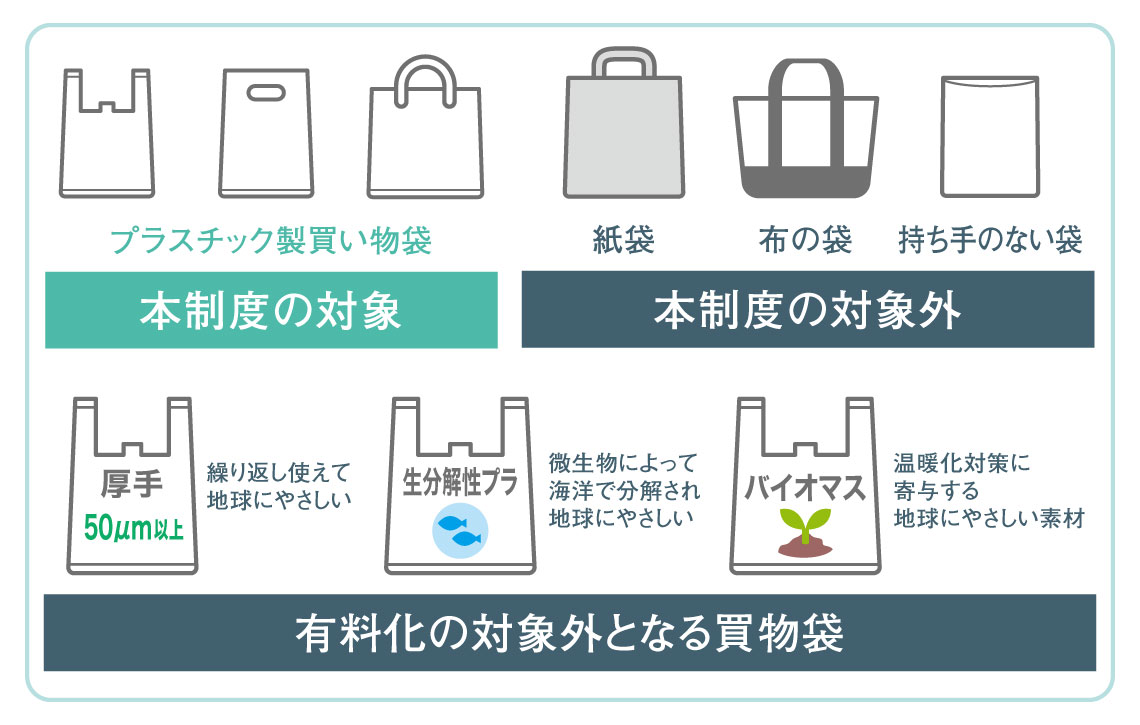
To review the "plastic bag fee," plastic shopping bags, including paper bags, cloth bags, and bags without handles, thicker bags that can be used repeatedly, bags containing 100% biodegradable plastic, and bags containing 25% or more biomass material, are exempt from the fee. Also excluded are cases in which the consumer cannot decline the bag, e.g., when the bag is part of the product, as in the case of grab bags, or when the bag is otherwise regulated by law, such as duty-free bags, etc. Other cases in which the bag is not a business in itself, such as flea markets, school festival booths, etc., are also excluded.
The statistics show that the percentage of those who decline to use plastic bags is about 70%, as the previously free plastic bags are now charged and more people bring their own eco-bags.
Prices range from 3 to 5 yen per piece.
Since the price of plastic bags is set by the businesses themselves, the price varies widely, and since a price of less than 1 yen per bag is not considered a fee, most businesses, including convenience stores and drugstores, sell plastic bags containing biomass for 3 to 5 yen, except for small stores and some lunchbox and takeout stores. Most companies, including convenience stores and drugstores, sell biomass plastic bags for 3 to 5 yen.
As for biomass content, a major drugstore chain uses a 25% blend, three major convenience stores use a 30% blend, and other supermarkets use 10-30% blend plastic bags. are now selling one or two types plus a bento bag.
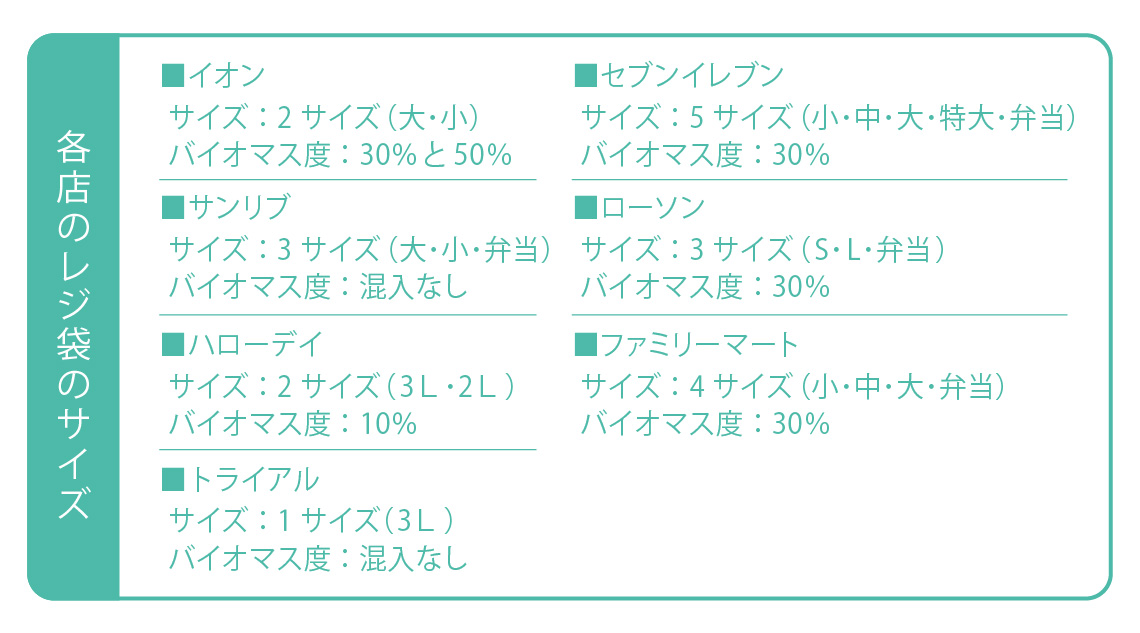
Thick“ bags are also available for one sheet.
In addition, many businesses are narrowing down the size of the plastic bags they sell in order to operate them more efficiently.
Although 70% of consumers decline to use plastic bags, many consumers who need plastic bags say they prefer to use only one as much as possible. To meet this demand, Marushin has decided to sell a PB biomass plastic bag with a biomass ratio of 10% and a thickness of 2 microns thicker than conventional bags.
We will continue to monitor market trends and respond to the demands of our customers and suppliers.
Marushin PB Plastic Shopping Bags Specifications
| trade (brand) name | Size |
|---|---|
| MS, biomass plastic shopping bag 3L | 500(345)×580 |
| MS, Biomass plastic shopping bag LL | 440(300)×540 |
| MS, biomass plastic shopping bag L | 390(250)×480 |

(Article by Honda)