


Sanpo-yoshi Communication
Sanpo-yoshi Communication
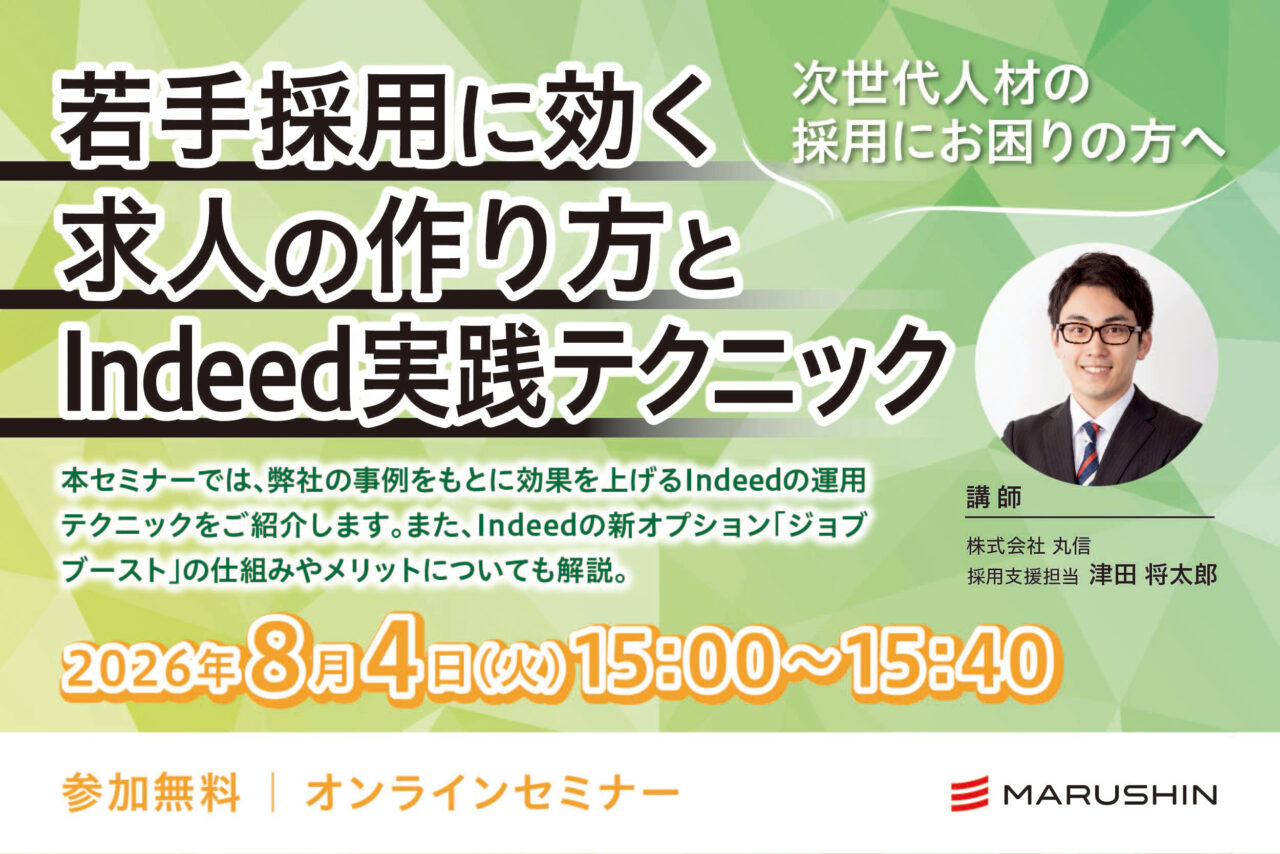
Printing Column] Newcomers' questions are interesting.
I have been in the printing business for 25 years, and I am still in the beginning.
The question we receive is: "What is the best way to get the best results from the product?
This is a good question that captures the characteristics of printing presses and inks.
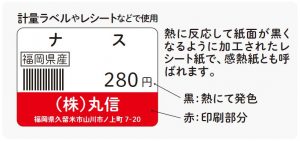
1. what is thermal paper?
2. oil-based ink is good for printing die-cut letters on a flatbed press.
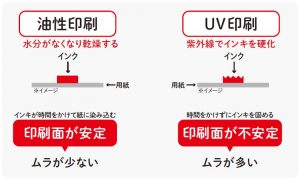

In addition to the fact that UV cures before it is stable and blends with the paper, flat presses, which operate like stamping seals at the top and bottom of the press, cause more unevenness.
The question is about the inconsistency of the explanation of printing solid text, which is prone to unevenness on printed labels, with UV, which is prone to unevenness.
Although it depends on the type of ink, various risks occur at temperatures starting at about 50°C (122°F). Therefore, in the case of oil-based ink that is not heat-resistant, melted ink adheres to the part that emits heat for printing, resulting in printing defects.
In other words, UV inks are used because oil-based inks are not resistant to high temperatures.

Another employee asked this question.
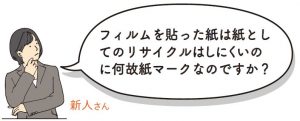

This is because the law stipulates that in the case of mixed materials, the recycling mark should be placed on the material with the larger weight ratio. When paper and film are laminated together, the film is often thinner. Therefore, the paper is heavier and becomes the paper mark. If paper such as Japanese paper is thinly pasted on a film base, the recycle mark will be plastic.

Questions from newcomers are very informative, with many perspectives that we don't usually question. Thank you.