


Sanpo-yoshi Communication
Sanpo-yoshi Communication
Beyond Paper Contracts: What Is a “Human-Centered BCP” That Works in Emergencies?
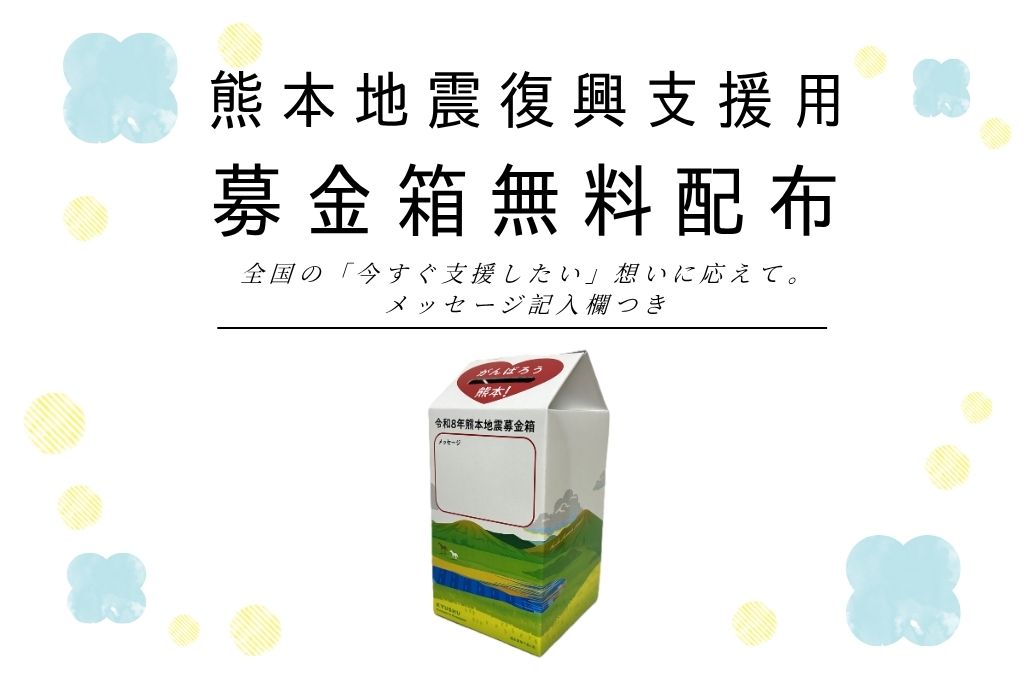
We would like to express our heartfelt sympathy to all those affected by the series of natural disasters occurring across the country, including the earthquake in Kumamoto and the record-breaking torrential rains that struck Chiba. We will continue to provide as much support as we can so that those in the affected areas may return to a peaceful daily life as soon as possible.
Whenever we face natural disasters, we are keenly reminded of just how much the packaging materials and printed materials we handle support our customers’ businesses—and, by extension, the region’s “food infrastructure.” If, by any chance, our factory were to be hit by a disaster, our customers’ shipments would come to a halt—. In recognition of this grave responsibility, we have, for many years, been entering into “Memorandums of Understanding on Mutual Substitute Production in Emergencies (BCP Agreements)” with our industry peers nationwide.
In fact, we recently received a message from a fellow printing company in Kumamoto that was affected by the disaster, stating, “Our printing press broke down, and production at our plant has come to a halt.” Based on a memorandum of understanding we had previously signed, we immediately took over production at our own facility, and we are working hard every day to ensure that products are delivered safely to that company’s customers.
At the same time, however, I’ve developed a strong conviction and a new sense of purpose.
That is, “A BCP is not just something you do to sign a contract and feel secure.”
In the event of a crisis, simply having a “written agreement” in the form of a contract is not enough to ensure that the production team can take immediate action. Without prior coordination on matters such as data compatibility, color-matching standards, paper and printing plate specifications, and the detailed know-how of on-site operators, unexpected delays and corrective work will inevitably arise when the time comes.
That is precisely why we are now looking to take our approach to BCP a step further.
It is an initiative that involves "actively supporting each other's work on a daily basis, even during normal times."
Instead of limiting emergency preparedness to “special evacuation drills,” incorporate it into your normal business workflows. By regularly exchanging data and conducting test production runs or mutual order placements—even in small batches—we can resolve any differences in specifications or on-site challenges in advance. That way, when a genuine emergency strikes, we can hand over the production baton “smoothly from the very next day,” without causing any panic.
The capabilities of any single company are limited. However, when like-minded industry peers strengthen their horizontal connections and work together even in normal times, we can build a “robust network” capable of safeguarding our customers’ supply chains no matter what challenges may arise. Reflecting on this experience, we are determined to continue expanding this “living” BCP network in collaboration with our partner companies nationwide.
As a final note, I realize this is yet another reminder, and I may well be reprimanded by our customers in Kumamoto for sending it when they have more pressing concerns.
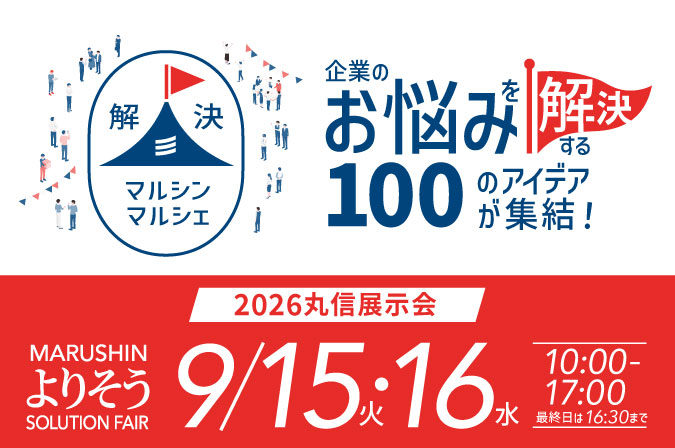
We apologize for the inconvenience, but we will be holding our in-house exhibition (MARUSHIN Yoriso SOLUTION FAIR) at the Fukuoka International Center on the 15th and 16th of this month.https://www.maru-sin.co.jp/marushin-fair/
Although the future remains uncertain, we are making preparations to help support your continued growth and that of your future customers. We would be grateful if those of you who are able to attend could make time to join us.
Marushin Corporation
Representative Director Yoji Hiraki