




Sanpo-yoshi Communication
Sanpo-yoshi Communication
The "Meat and Fish Substitute Foods" are appearing one after another, such as beans, wheat, insects, and so on. What are their merits?
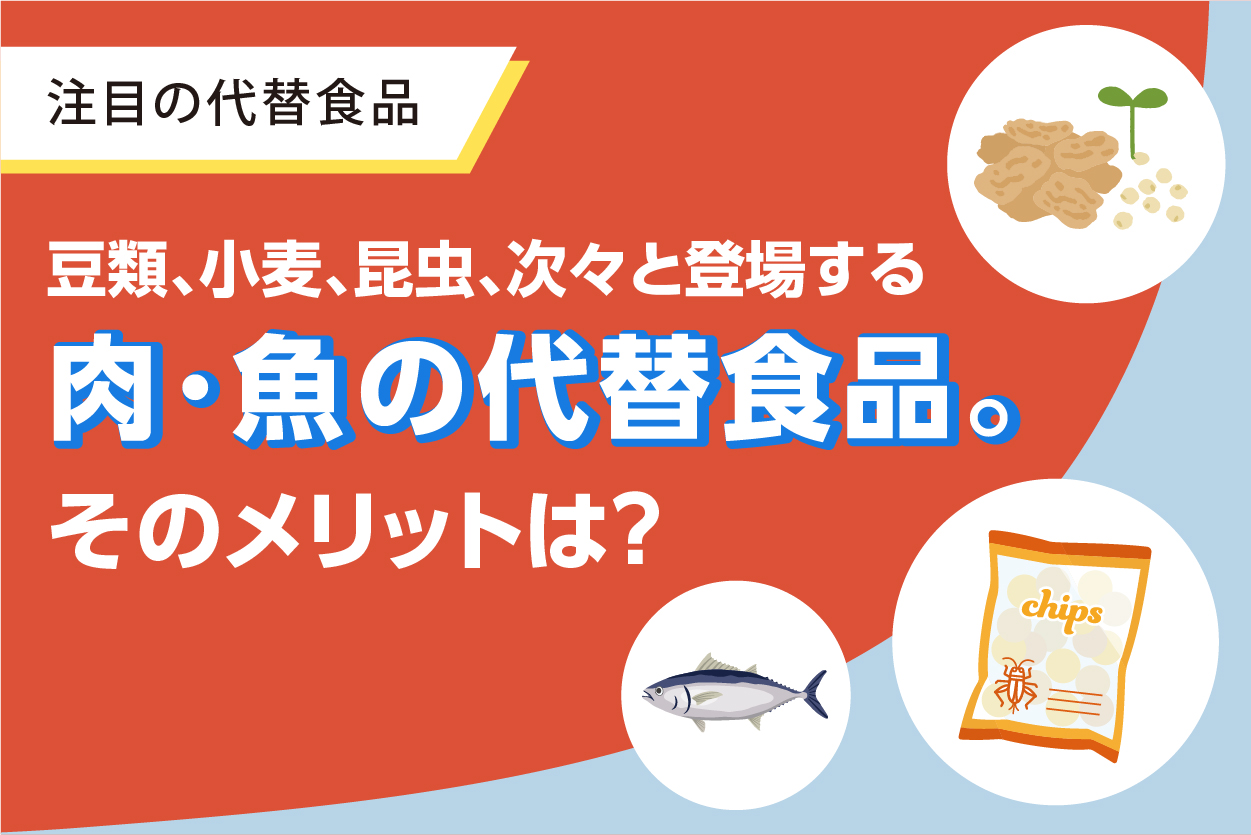
With the development of food processing technology, it is now possible to make foods like meat and fish from legumes and wheat. Alternative foods are spreading rapidly around the world due to food shortages and concern for vegetarians. What are the benefits of each?
Meat alternatives that help reduce greenhouse gas emissions
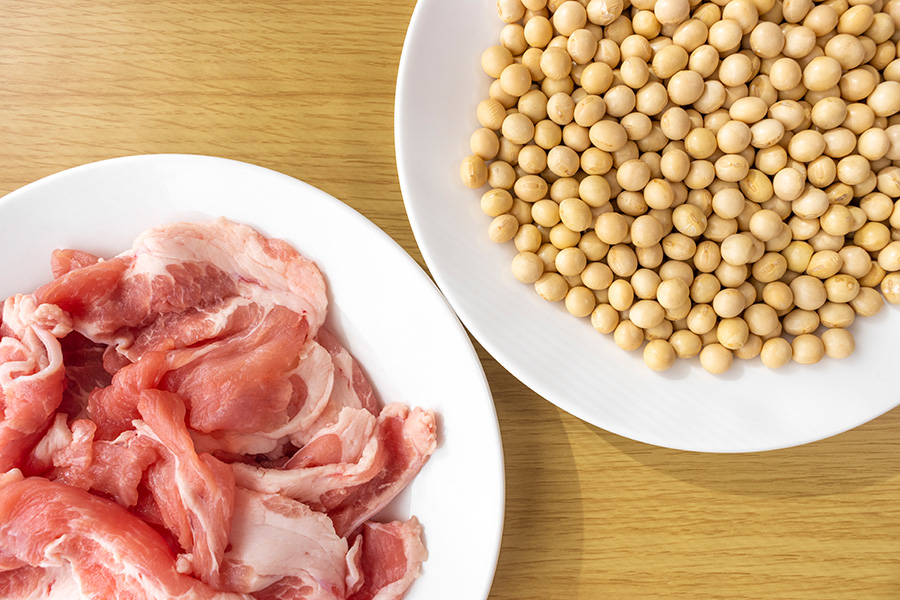
Meat substitutes are those that do not use animal meat, but are substituted with plants or animal cells. Recently, cultured meat made from cattle cells has been attracting attention. Especially expanding in Japan is soybean meat, which is made from beans. Japanese supermarkets have begun selling soybean meat, and a wide variety of products are now being marketed, including ground meat and block types. Since soybeans are a familiar food to the Japanese, they are easily accepted and are gradually gaining recognition. There are two types of meat alternatives: "plant meat," made from plant material, and "cultured meat," made from animal material. Vegetable meat is environmentally and vegetarian friendly, has a texture similar to that of meat, and when seasoned, tastes just as good as the meat we normally eat. On the other hand, "cultured meat," which is made from livestock, has a texture and taste closer to real meat than plant meat. The widespread use of alternative meats is expected to reduce greenhouse gas emissions.
Technology development is progressing, especially in the U.S. Alternative fish
Although still less familiar than meat substitutes, fish substitutes made from plants and other ingredients are being developed, especially in the United States. Tuna substitutes that are gluten-free and made from tomatoes, eel substitutes made from eggplant and seaweed, tuna made from peas, chickpeas, and other legumes, and other fish substitutes for salmon and shrimp have appeared on the market. A well-known Japanese manufacturer is also developing a plant-based tuna substitute, and fish and shellfish are also in development.
Entomophagy is attractive for its rich protein content
Insect diets are another alternative diet that is attracting attention because of its rich protein content. Among them, cricket diets are attracting a lot of attention, and various food manufacturers have already launched their products. The reason is that they are an alternative food for livestock.
Crickets are among the most nutritious of insects, especially in protein content, which is about 60 grams per 100 grams, much higher than the same 20 grams or so of protein in beef, pork, and chicken. In addition to protein, it is also rich in iron, magnesium, and calcium. Cricket powder actually available in the market contains about 60-70% protein, making it an efficient source of nutrition. Another secret of their popularity is that they require less feed than cattle, pigs, and other livestock, and are easy to raise. For example, it takes about 1,500 liters of water for a cow to gain 1 kg of weight. Crickets, on the other hand, require only 1 liter to gain 1 kg of weight, which reduces CO2 emissions and can be a source of protein with little environmental impact.
Can we solve future global food shortages?
In Japan, there are calls for a declining birthrate and a shrinking population, but the global population continues to grow and food shortages are becoming more serious, and there are fears of a "protein crisis" by 2030. As food security is expected to become even more difficult due to climate change, alternative meat and insect diets are likely to attract even more attention in the future.
Shokubiz! introduces "alternative meats" and "entomophagy" in detail with case studies.
[Reference article
The Trendy Alternative Meat Market, What are the Benefits of Entering? Introducing soybean meat and the cases of Muji, Kabaya, and Showa Sangyo.
https://shokubiz.com/maker/2778/
Cricket Eating (Entomophagy) Can Save the World from Food Shortages! High nutritional value and product examples
https://shokubiz.com/maker/2454/