への当社対応について.png)


Food Inspection
Leave it to us for food inspection and analysis in Fukuoka and Kyushu
Specialist staff on hand!
High-quality food testing quickly and inexpensively
We offer microbiological and physical/chemical testing services.
Related pages in Food Inspection
About
What is Food Inspection?
Quantify and understand the bacteria on instruments and fingers after cleaning
Food testing is an examination of raw materials and products to determine how contaminated they are with bacteria.
Bacteria and viruses are the main causes of food poisoning, which unfortunately are invisible to the human eye.
Even if you think you keep your food clean on a regular basis, it may be contaminated by bacteria or viruses before you know it.
Quantifying and understanding the bacteria on utensils and hand hygiene after cleaning will improve sanitation and prevent food poisoning.
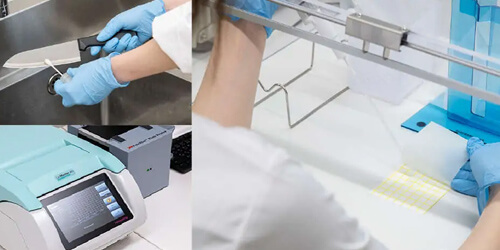
Case
Food Inspection Cases
Marushin accepts food inspection requests from customers in Kyushu and throughout Japan.
-
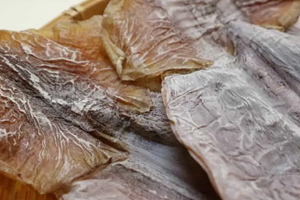
I had never tested for bacteria before to check for quality.
We found no problems with the inspection items and were able to sell the product with confidence.
*In fact, Akariya purchases squid and outsources the processing work.checklistGeneral viable bacteria / coliforms / Staphylococcus aureus
-
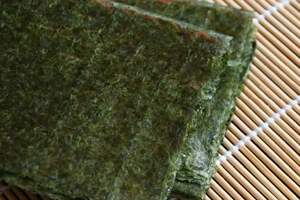
To obtain HACCP
The product is safely manufactured without any problems in the inspection items.
checklistGeneral viable bacteria / coliform group / water activity value
-
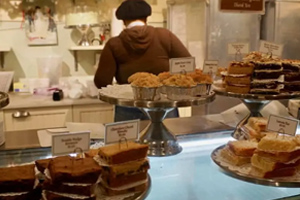
For customer submission
Quick response response with no problems
checklistGeneral viable bacteria / coliforms / Staphylococcus aureus

Feature
Features of Marushin's Food Inspection
-
Marushin's Food Inspection is ChosenThree Reasons
We offer food testing services including microbiological and physical/chemical testing as well as environmental investigations. Our services are characterized by three main features
1. short lead time by rapid method
2. less expensive than major laboratories
Inspection method according to food sanitation inspection guidelines
-
microbiological examination
With the increasing safety and reliability of food, we support our customers' more advanced quality control by measuring objective and scientific values to determine food standards, evaluate quality and safety, and prevent food poisoning through our food inspection services.
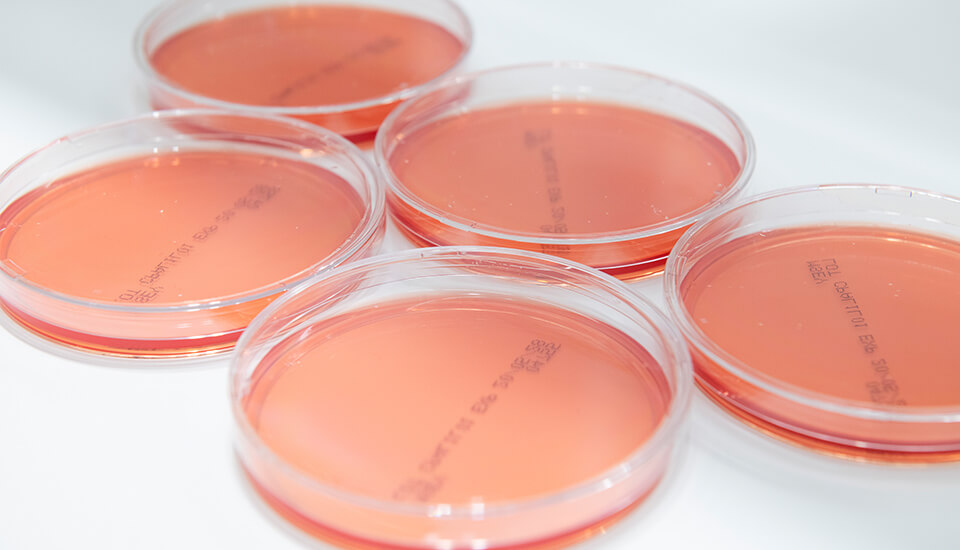
-
physical and chemical tests
We measure water activity (AW), moisture content, sugar content (BRI X), pH, and other physical and chemical test values that are also important for quality control, setting expiration dates, and new product development.
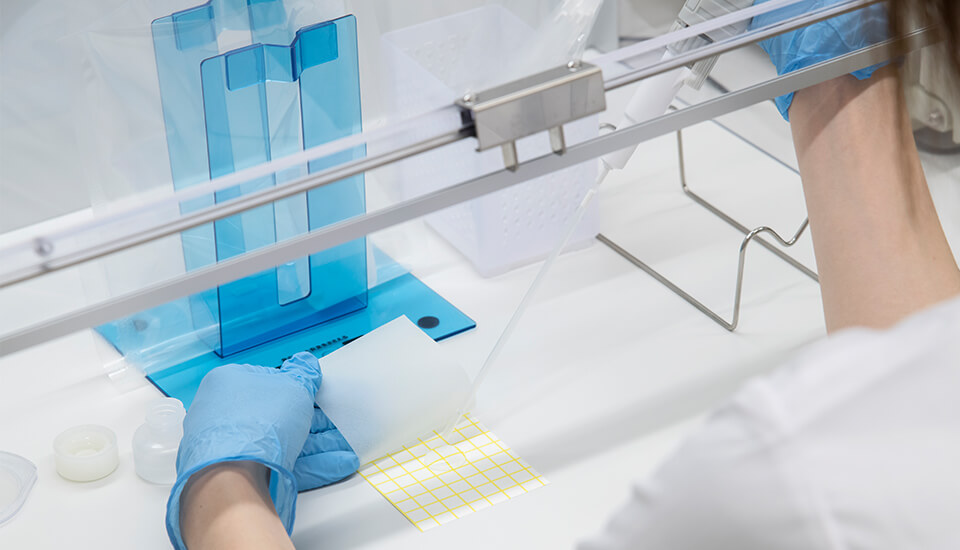
-
environmental research
We support businesses by conducting wipe inspections of facilities, equipment, cooking equipment, and employees in order to prevent health hazards caused by food poisoning, manage facility sanitation, and raise employee awareness.
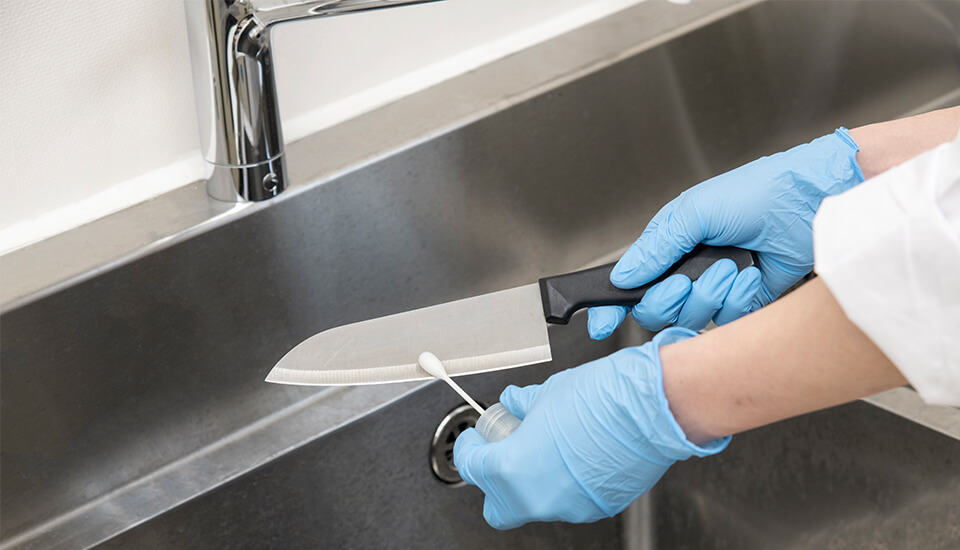
Flow
Inspection Flow
①Application for Inspection
The inspection request form will be sent to your sales representative or by e-mail.
Please fill out the inspection request form and fax it or give it to our sales representative.
Also, please use this page to make a request on our website.Inspection Application Form
(2) Send estimate of inspection cost and transfer payment
After receiving your application for inspection, our representative will send you an estimate of the inspection cost.
After confirming the contents, please transfer the fees indicated in the quotation to the bank account specified by us.
Account name: Yoji Hiraki, Representative Director, Marushin Co.
Kana: K) MARUSHIN
In principle, we will send you a preliminary report of the test results and the original report after confirming your payment of the test fee.
Send specimens
Samples can be prepared by the customer and sent directly to us.
(Shipping charges are the responsibility of the customer.)
For customers in Kurume or near Kurume, please contact our sales staff.
Specimens should be packaged and sent in the storage conditions described in the test request form.
You may send us your specimen prior to the payment of the test fee.
(To the Food Analysis Laboratory, Marushin Co.
TEL: 0942-43-6621
4) Start of inspection
Testing will be performed on the day specimens arrive.
In addition, if specimens arrive on Saturdays, Sundays, or holidays, there may be a delay in conducting the test and a delay in reporting.
Please understand that we are not responsible for any loss or damage to your property.
(5) Send preliminary report by e-mail and fax
Preliminary test results will be sent to you by your preferred method (fax or e-mail) on the test request form as soon as the results are ready.
In principle, we will send you a preliminary report of the test results and the original report after confirming your payment of the test fee.
(6) Send (or deliver) the original score report
The original will be sent by basic mailing.
*Existing customers may be asked to bring the original documents by a sales representative.
*Please call or visit our website to request a wipe inspection.
Inspection item
Food Inspection Items
Microbiological test items
- General viable bacteria count
- Escherichia coli (E. coli)
- Escherichia coli E.coli
- staphylococcus aureus
- salmonella
- Vibrio parahaemolyticus (qualitative)
- Vibrio parahaemolyticus (quantitative)
- yeast fungus
- mold
Physical and Chemical Test Items
- Water activity value
- moisture content
- pH value
- Sugar content (BRIX)
Frequently Asked Questions
ISO 17025 is a global standard for determining the reliability of measurement and calibration results, and is internationally accepted through a multilateral mutual certification arrangement.
We respond to our customers with reliable quality through reliability-based testing services.
The most important reason why we conduct bacteria inspections is that our objective is to improve the problems of our customers, and we respond to them as part of our helpful activities.
Our food testing (bacteria testing) is not based on the conventional culture method, but on a rapid method, which allows us to shorten the lead time from several days to several weeks.
The following two methods of specimen collection for food testing are supported.
(1) Courier service available (nationwide)
(2) Direct collection by our employees (limited to Fukuoka and Saga prefectures)
Please call us for more information. We will guide you through the collection process.
Usually about 200g is required, but some test items may require more than 200g. Please check before making a request.
In Japan, the Food Sanitation Law was established for the purpose of "preventing the occurrence of sanitary hazards resulting from eating and drinking and protecting the health of the people by taking necessary regulations and other measures from the standpoint of public health to ensure food safety. In brief, the Food Sanitation Law prohibits the sale, manufacture, preparation, or display of food contaminated with toxic substances or pathogenic microorganisms that are hazardous to human health.
However, there are many aspects that cannot be determined without food testing to see if they are harmful to human health. Also, because some standards are strictly set,
(1) Is the food contaminated with microorganisms?
(2) Are there any pesticide residues, toxic or radiological substances in the food?
(iii) Do imported foods made under different standards from those in Japan conform to Japanese standards?
and other inspections that are required for each type of food. Other food inspections may also be conducted to determine the cause of "complaints about purchased food" or "suspected food poisoning" when they occur. In addition, analysis enables accurate labeling of the content of "ingredients that should be labeled" and "ingredients that can be labeled on a voluntary basis" to comply with the mandatory labeling of nutritional content. Conducting food inspections leads to risk management and ensures "food safety and security.
For more information about Marushin's food inspection services, please contactthis way (direction close to the speaker or towards the speaker)for more information.
Product pamphlet / Kowa Sangyo Co.
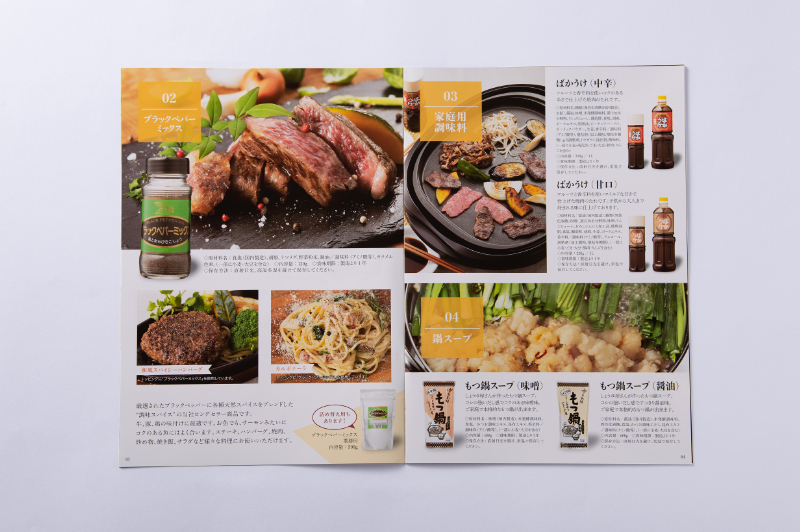
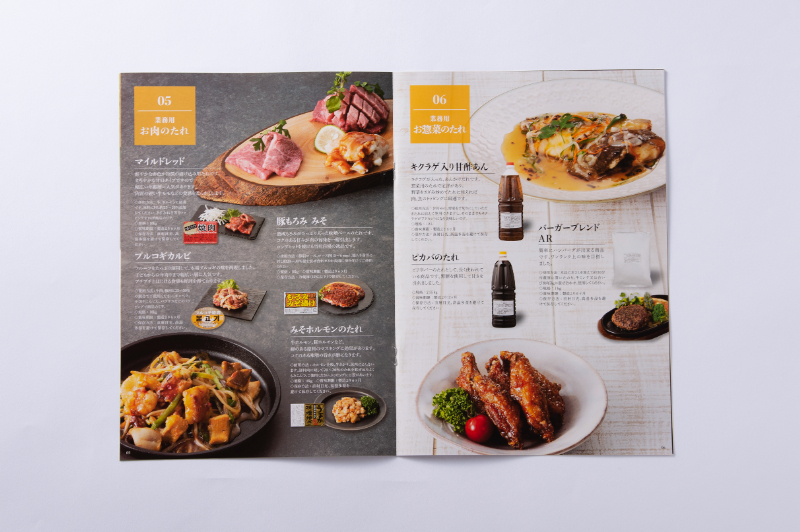
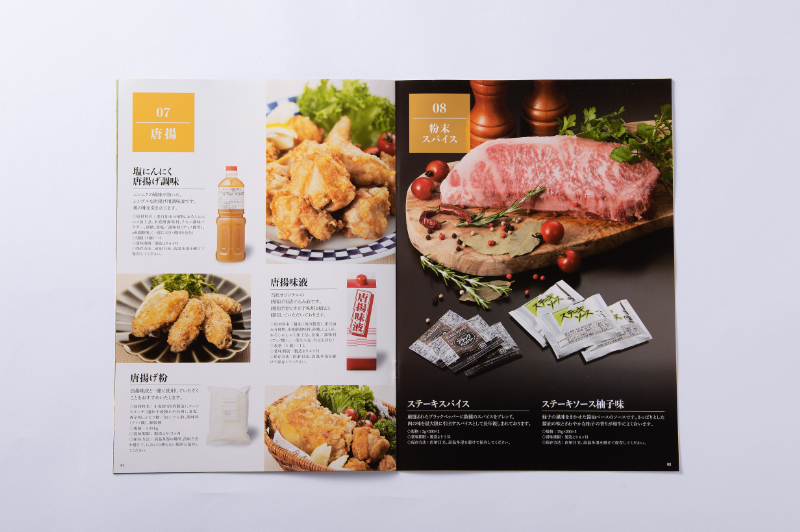
In conjunction with the renewal of the corporate website, we were asked to create a product catalog that would also serve as a company brochure that could be used as a sales tool.
Rather than simply listing products, the client wanted to focus on the layout with product images as the main focus, and also wanted to include cooking recipes.
In order to create a simple design structure with photographs as the main focus, we not only posted product package images, but also had our own photographer take sizzling, realistic photos of cooking examples in our in-house studio.
The paper used is satin Kintoki with a matte texture.
The brochure was finished exactly as requested because of the material's ability to beautifully render photographs.
Hokkai Tako Senbei (octopus cracker) bag / Sugi Seika Co.
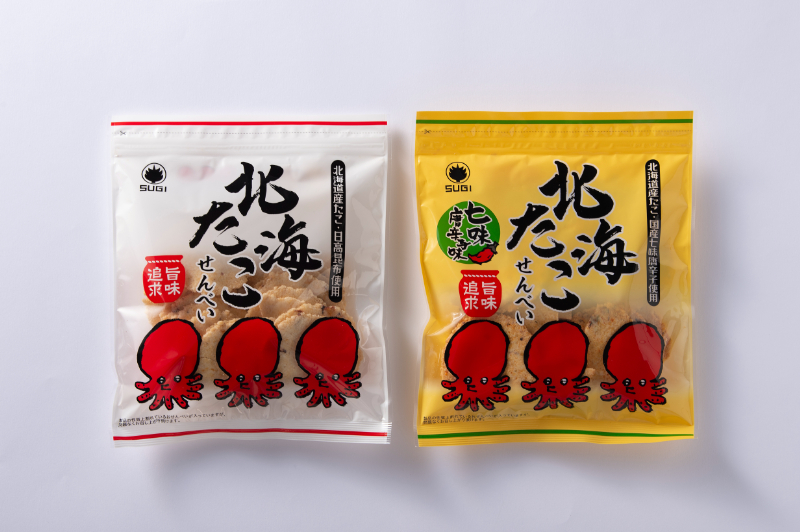
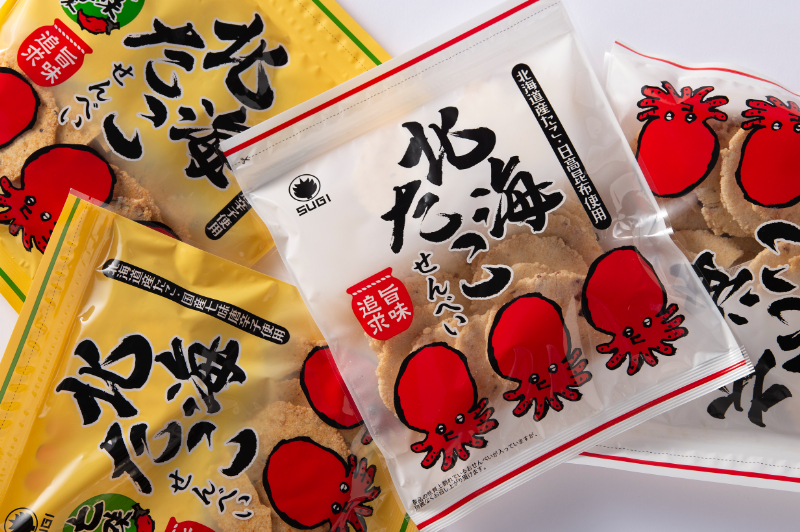
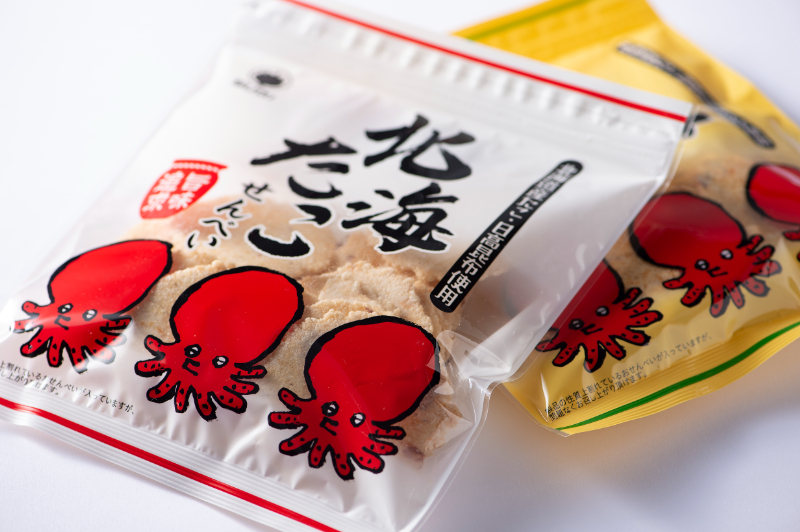
This is a mainstay product that is set to be sold at major convenience stores.
The product had been sold for a long time, but the client wanted to revamp the design to match the times and express the quality of the product.
Shochu "Yumeso Tensei" label / by Hikari Shuzo
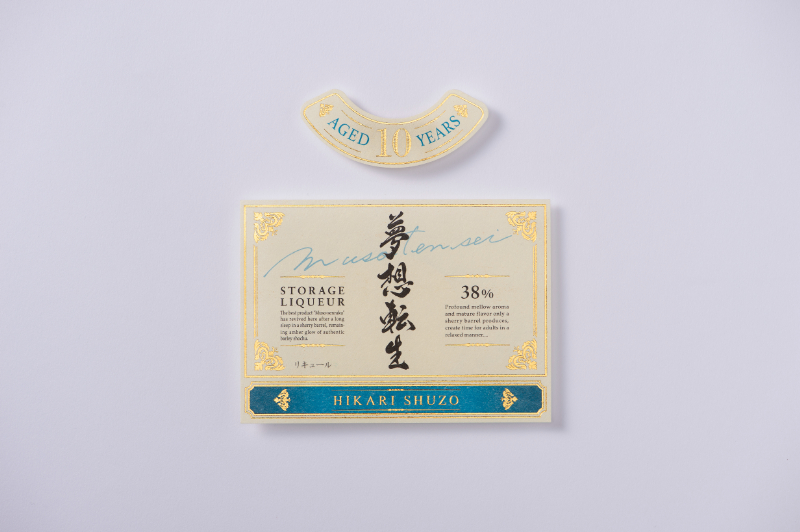
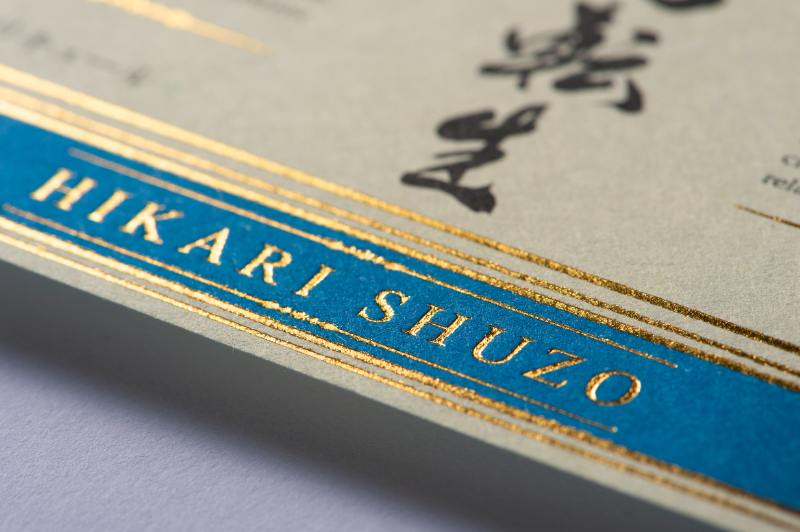
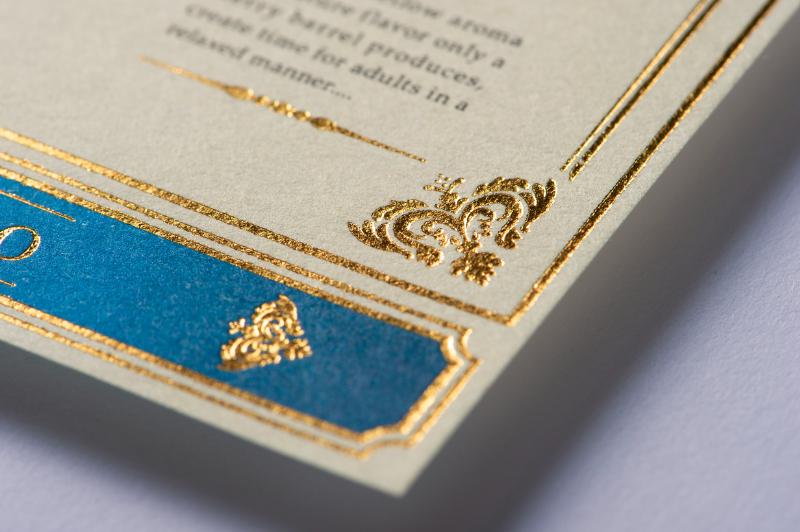
The client wanted a design using a luxurious blue color, so we first selected a base paper with high reproducibility of blue.
The colors were also carefully matched to the image through a series of prototypes in either special colors or colors.
In the final version, the original paper is white, and the background color cream is represented by printing.
The color did not sink in, and we were able to express the customer's image.
Sake "9" label / Yamaguchi Shuzo Brewery
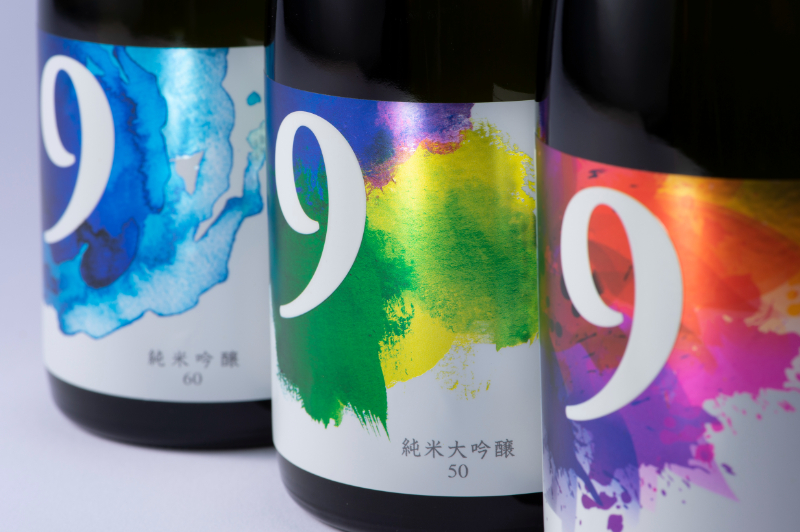
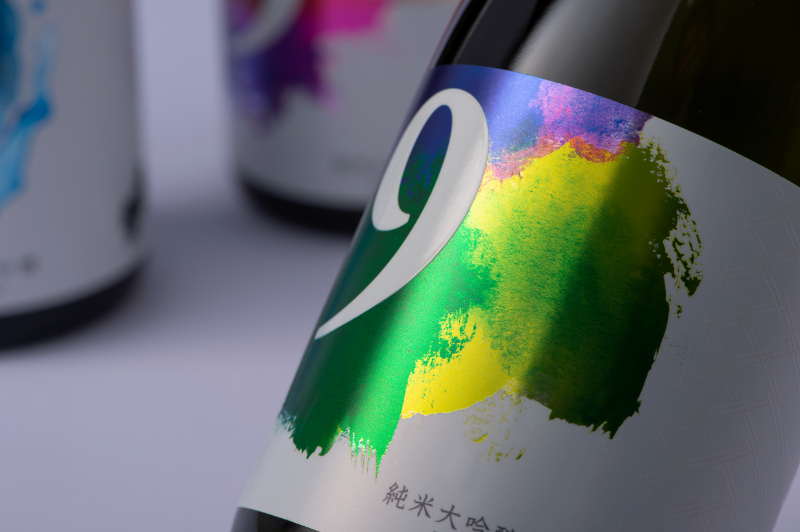
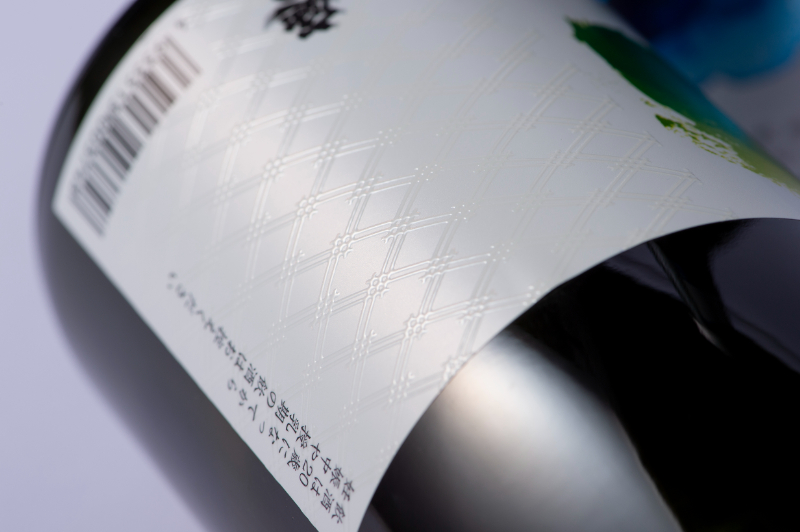
“We were asked to propose labels for three new sake products that use ”No. 9 yeast" in different proportions of rice polishing: Junmai Ginjo 60, Junmai Ginjo 50, and Junmai Ginjo 35.
With an eye toward overseas exports, the design was designed with a symbolic symbolism in mind, using the number "9" as a motif.
While evoking a distinctly Japanese culture, such as ink painting, it also expresses the primary color scheme favored overseas and the novelty of abstract painting.
Silver glossy namer is used for the base paper to create a metallic look.
We appreciate the unique design.
Label for coffee bag / Kotobukiya Coffee Beverage Co.
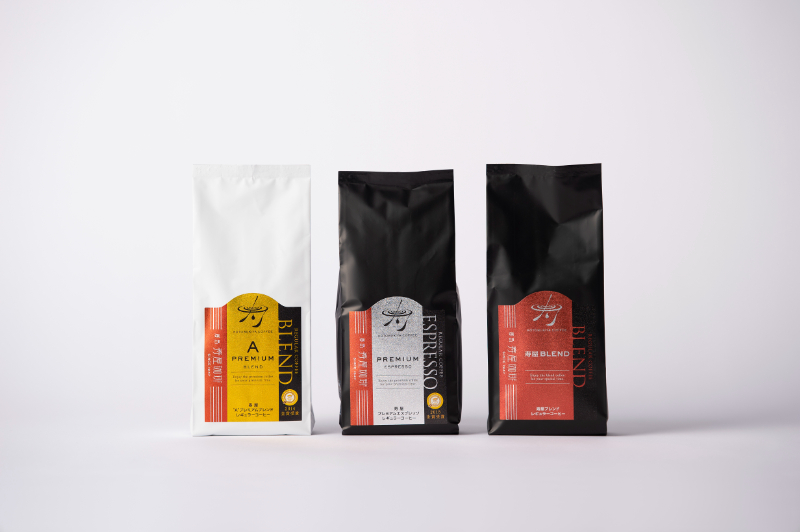
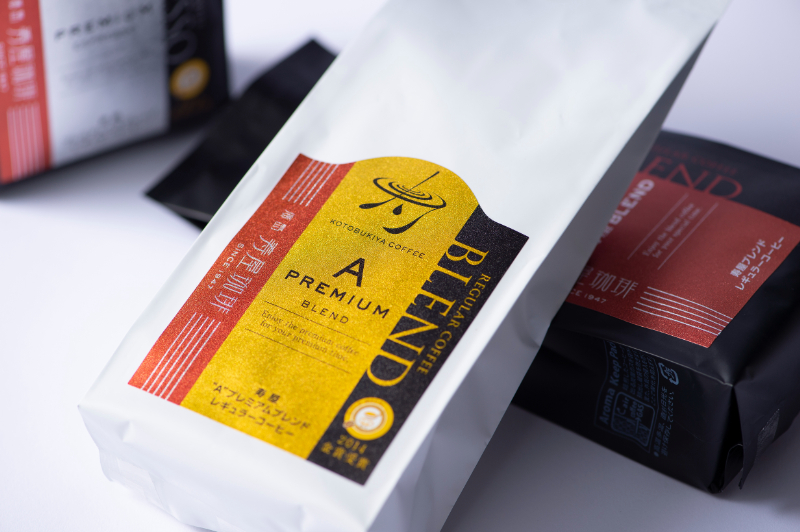
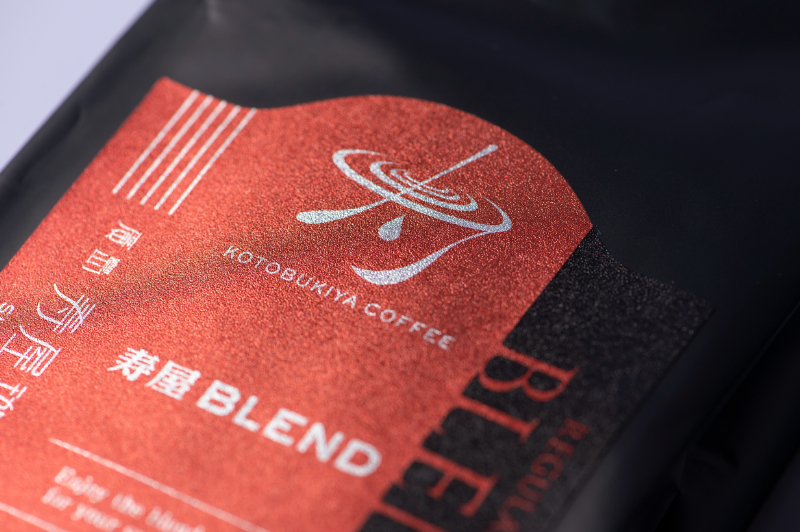
We proposed and received a design proposal for our flagship product, Kotobukiya A-Blend Coffee, which is made from carefully selected raw beans and carefully baked to perfection.
We designed and created a symbol that evokes the "Kotobuki" of Kotobukiya with coffee, and used special gold and silver shiny foil paper to express the elegance and luxury of the company's signature coffee blends.
Nagasaki Castella White" package / Susakiya
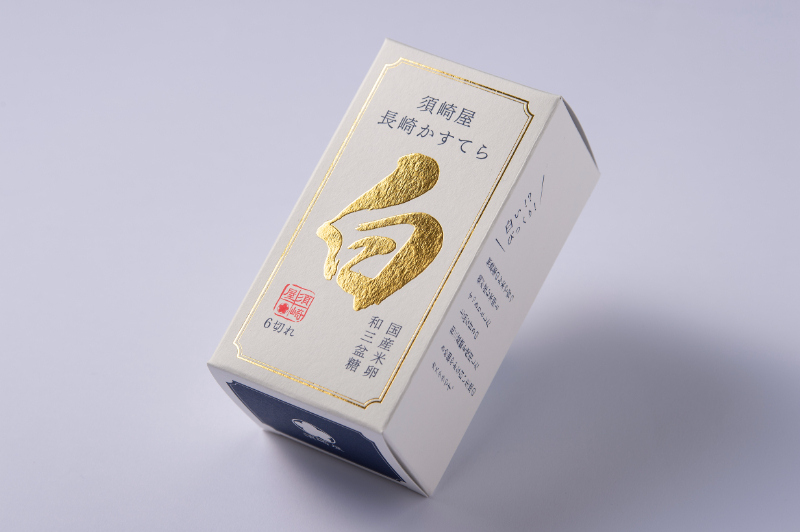
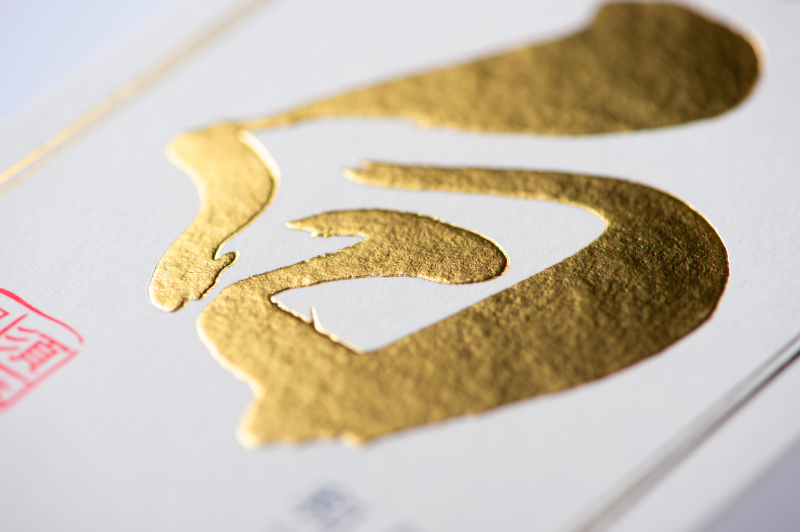
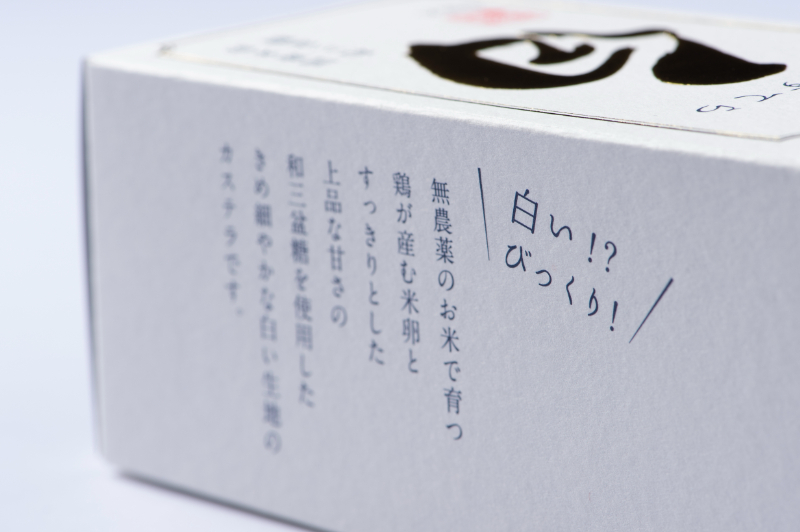
The overall color of the kastela is white to express a sense of luxury, as it is made of hand-baked, white dough made from the best materials available.
The "white" character, the pillar of the design, was written in large brush strokes by an in-house calligrapher, and the gold foil portion was embossed.
As differentiating elements, the FSC certification mark for forest conservation and the "CO2 Zero Printing" mark, which indicates that the product was manufactured in an environmentally friendly factory, are also displayed.
We were particular about the paper quality, and after trying several base papers, we finally adopted "Fritter 90k + back white coated ball 310g" which has a soft, cotton-like texture.
By creating a simple yet striking design with a luxurious feel, we were able to make the product stand out on the sales floor.
Later, I was also in charge of designing and producing sales promotion tools and creating a sales floor that matched the product image.
Sweet Potato Shochu "Hamako 10-year storage" label / Fukiage Shochu Co.
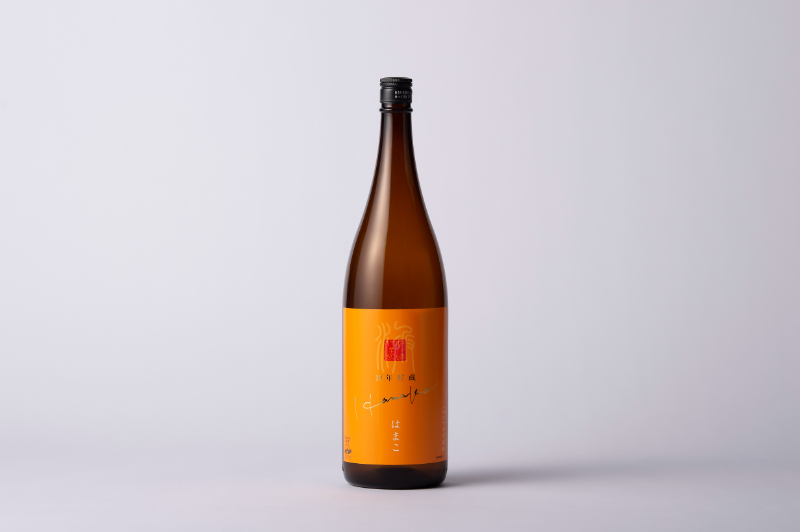
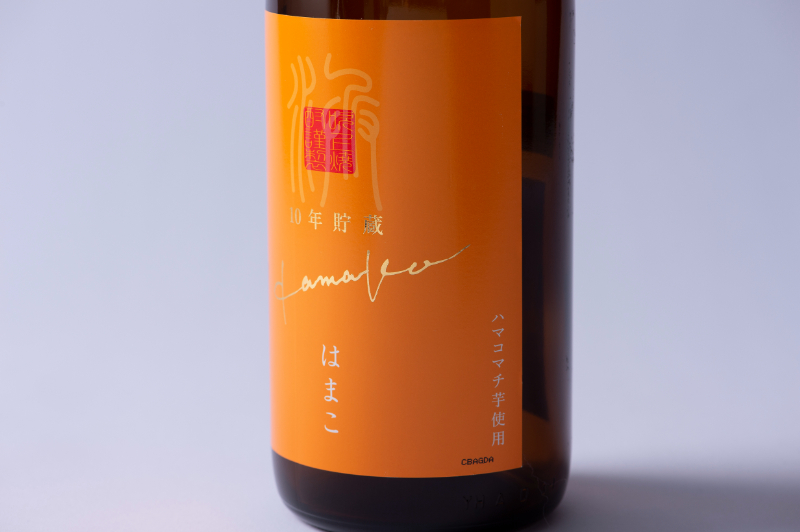
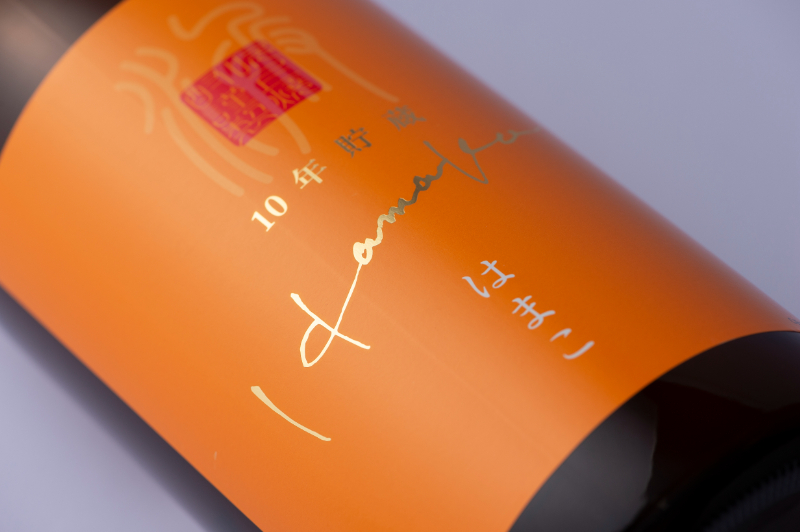
At the time of the request, we had not yet decided on the name of the product other than to use the "Hamakomachi" variety of sweet potato, but we wanted a design that did not look like a conventional product, targeting a younger demographic.
Marushin proposed a simple but eye-catching design on the sales floor, along with the product name "Hamako," which is easy to call and remember.
For the base paper, an art paper type that can be machine laminated was selected.
By partially applying gold foil, the label expresses added value while keeping costs down.
Sake "Taki Series" label / Narutaki Shuzo
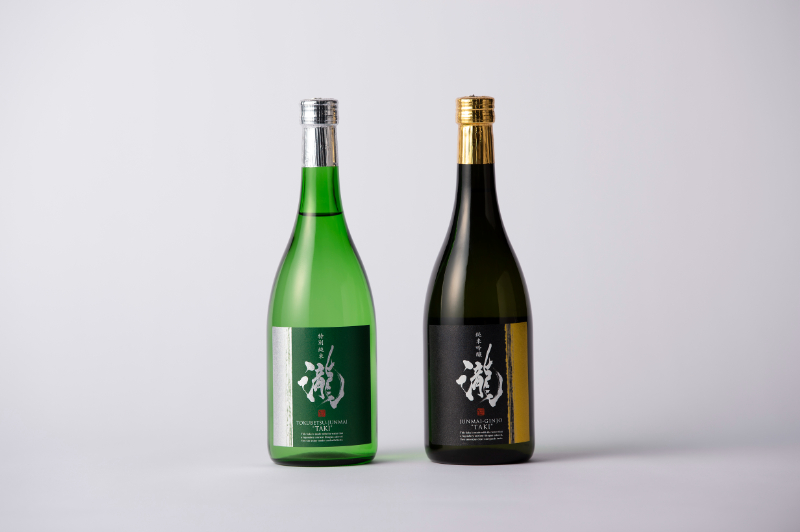
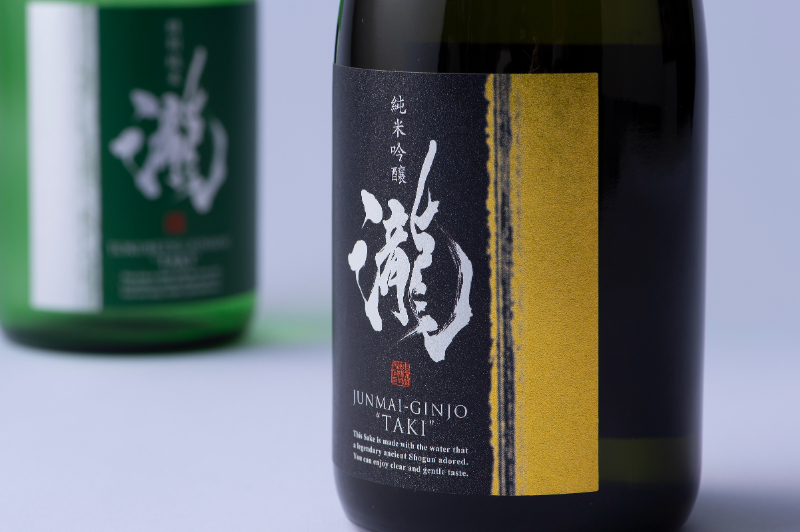
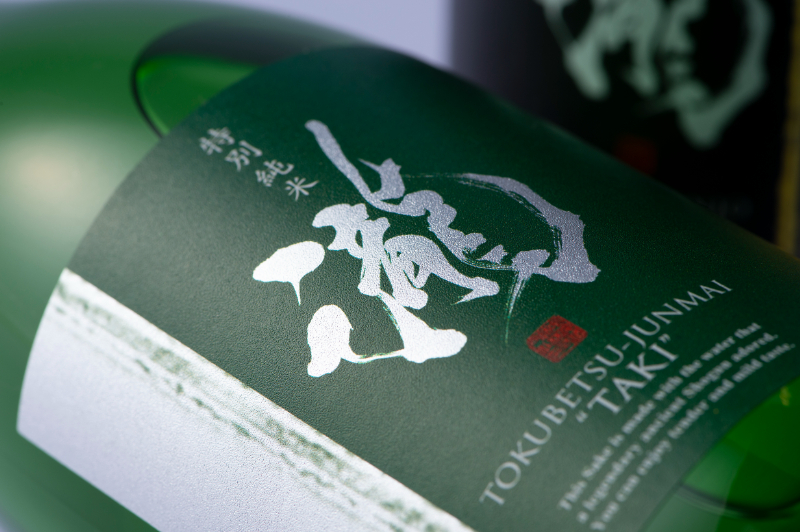
The company wanted a label design with a refreshing image of clean water flowing from a waterfall to accompany the launch of a new "Taki" brand as a limited distribution product.
The design features the word "waterfall" written by an in-house calligrapher at the center of the design, with a silver-pica base that adds texture and sparkle to create an overall fresh image.
The design was highly evaluated and adopted.
Landing page (LP) for "Karada Yokokobu Seaweed Plus"/Sugi Seika Co.
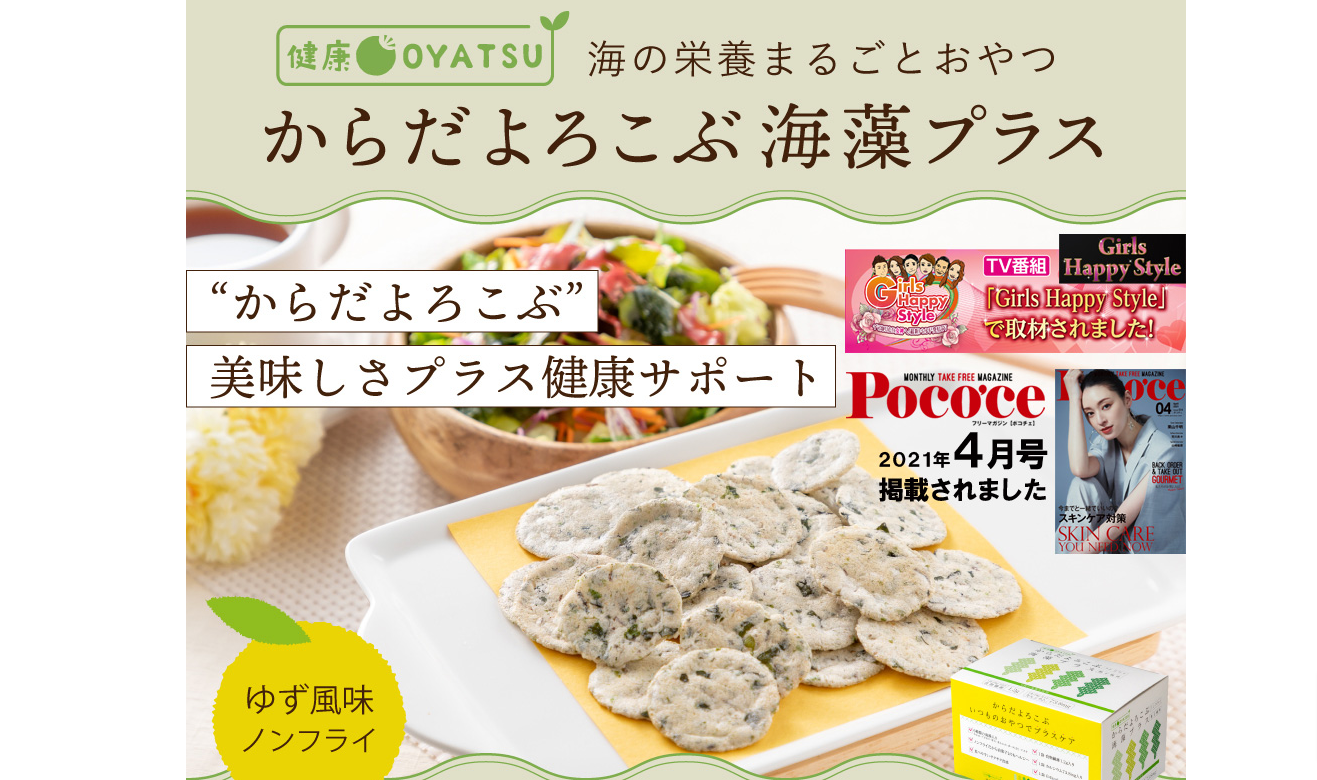
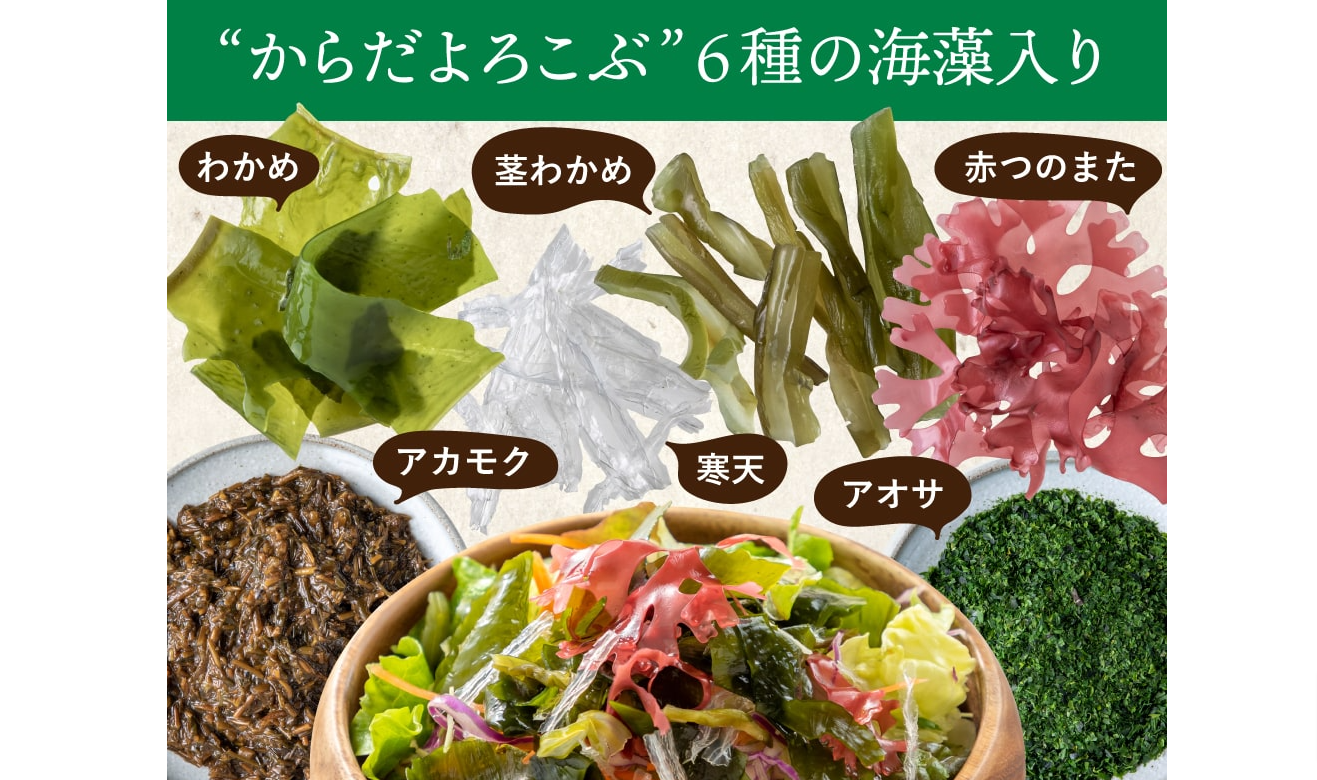
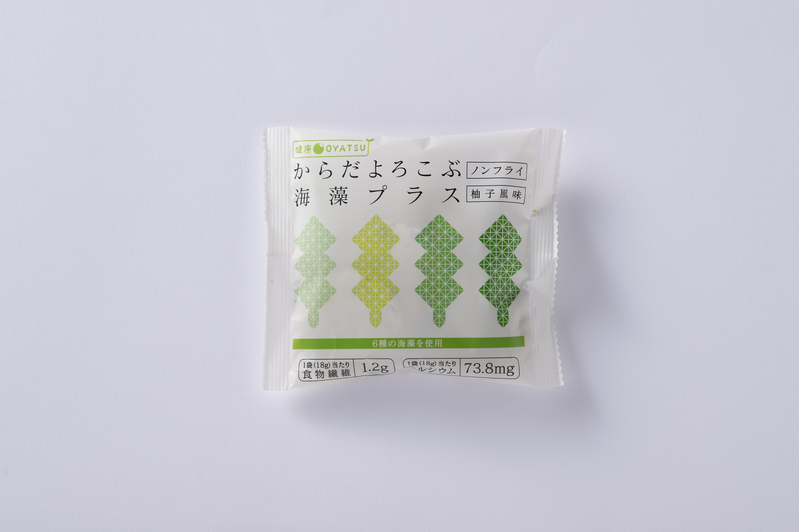
Since we were in charge of the product's package design, we were asked to create an LP to convey the product's appeal.
Elements of the package design were incorporated directly into the LP design, and the design was linked so that the product and product page would have a unified feel.
In addition, the structure was based not only on design but also on consumer psychology.
Because the appeal points of the product were clear, the LP was able to fully convey the appeal of the product to the target audience.
Mail order site / Mr. Fujichiku
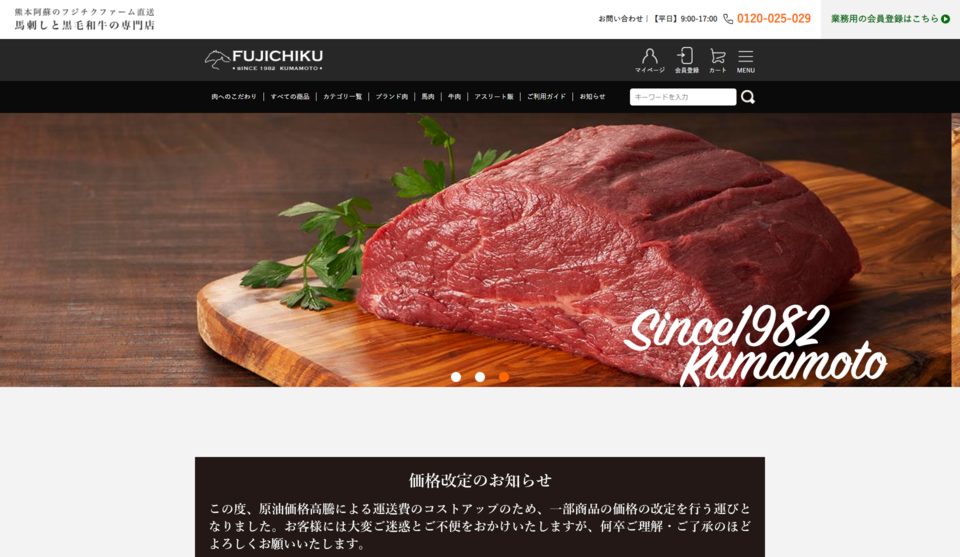
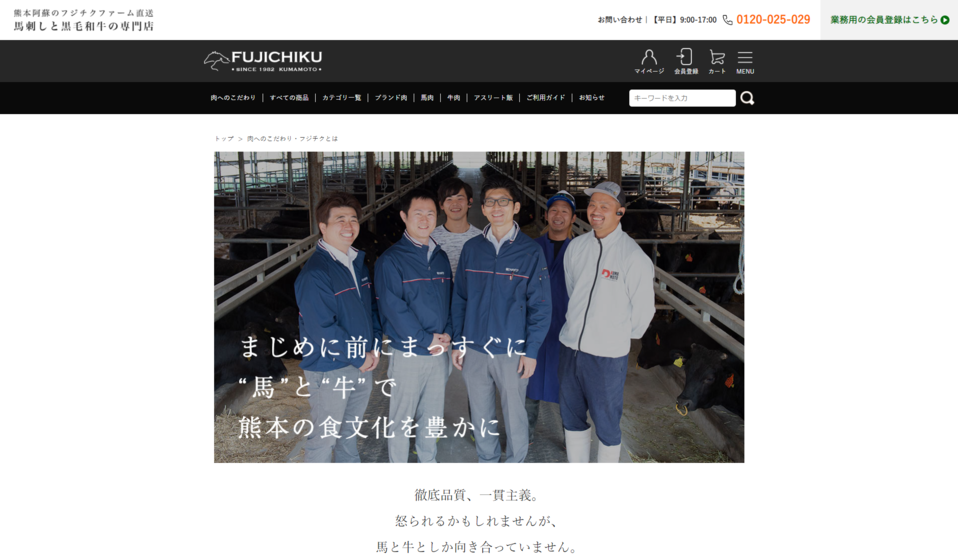
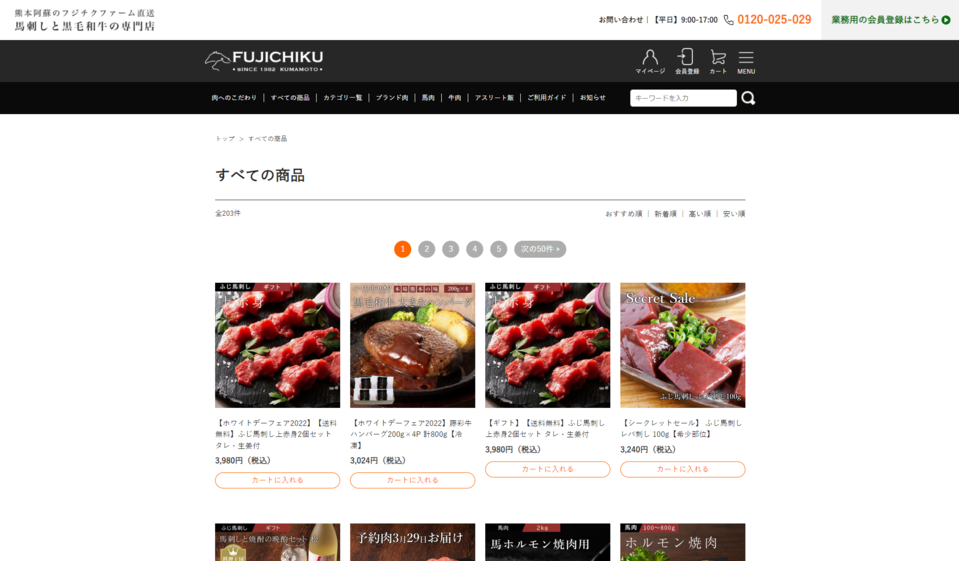
We produced a mail order website "Horse Sashimi and Kuroge Wagyu Beef Specialty Store" for Fujichiku, which produces horse sashimi in Kumamoto.
The company had opened a store in an online mall such as Rakuten Ichiba, but when launching a new in-house shopping site, they wanted a shopping site that would differentiate them from their competitors.
Therefore, we proposed to create a new brand image by creating a Western-style worldview reminiscent of a European bar, thereby removing the Japanese image of horse sashimi.
In response to this, we not only built the mail-order website, but also designed the brand logo to be used and had our exclusive photographer shoot the images to be used on the site.
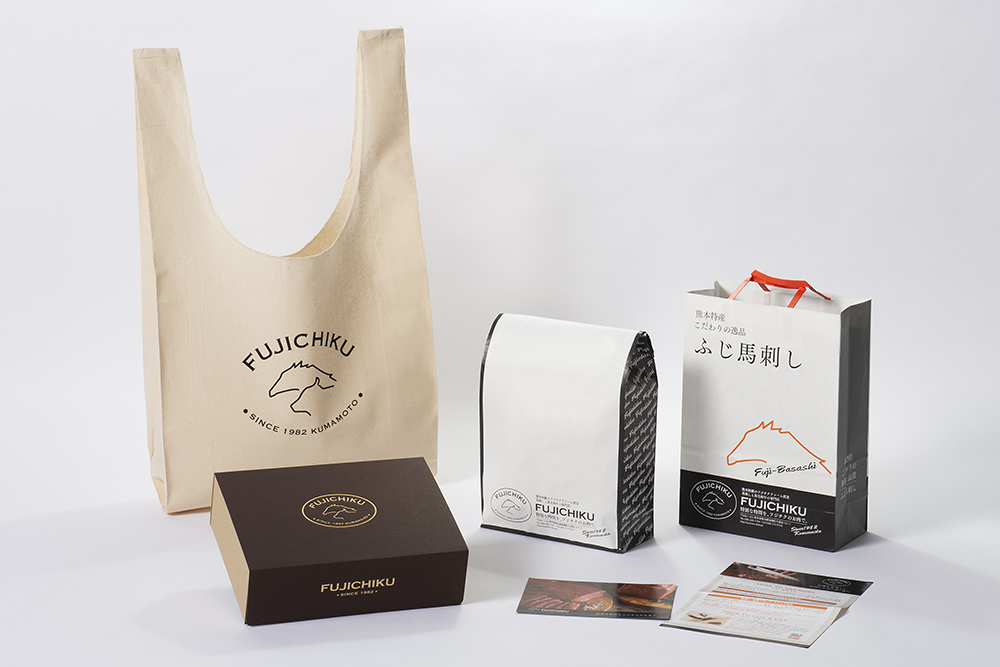
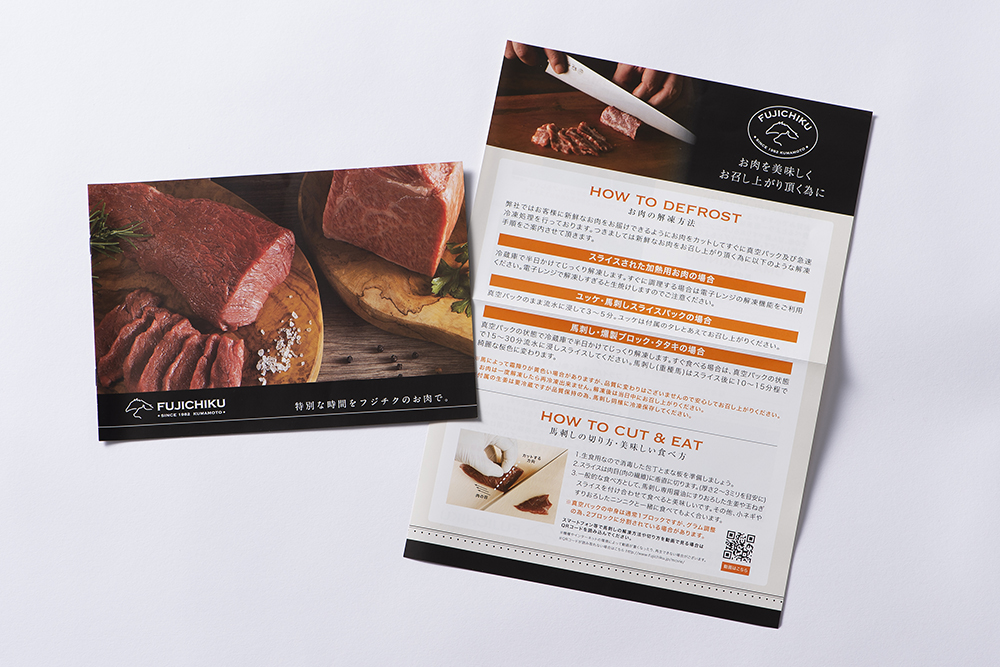
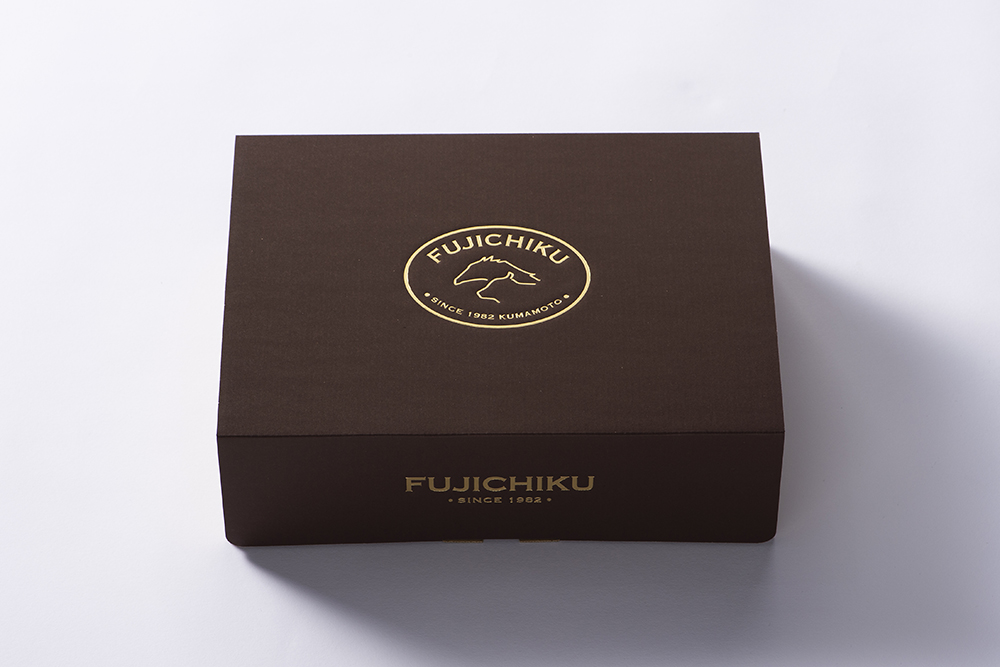
In addition, the company adopted our proposal to enhance the total product value by consistently producing labels and stickers, gift boxes, handbags, and pamphlets to match the design of the mail-order website.
Mail order site / Marumatsu Sangyo Co.
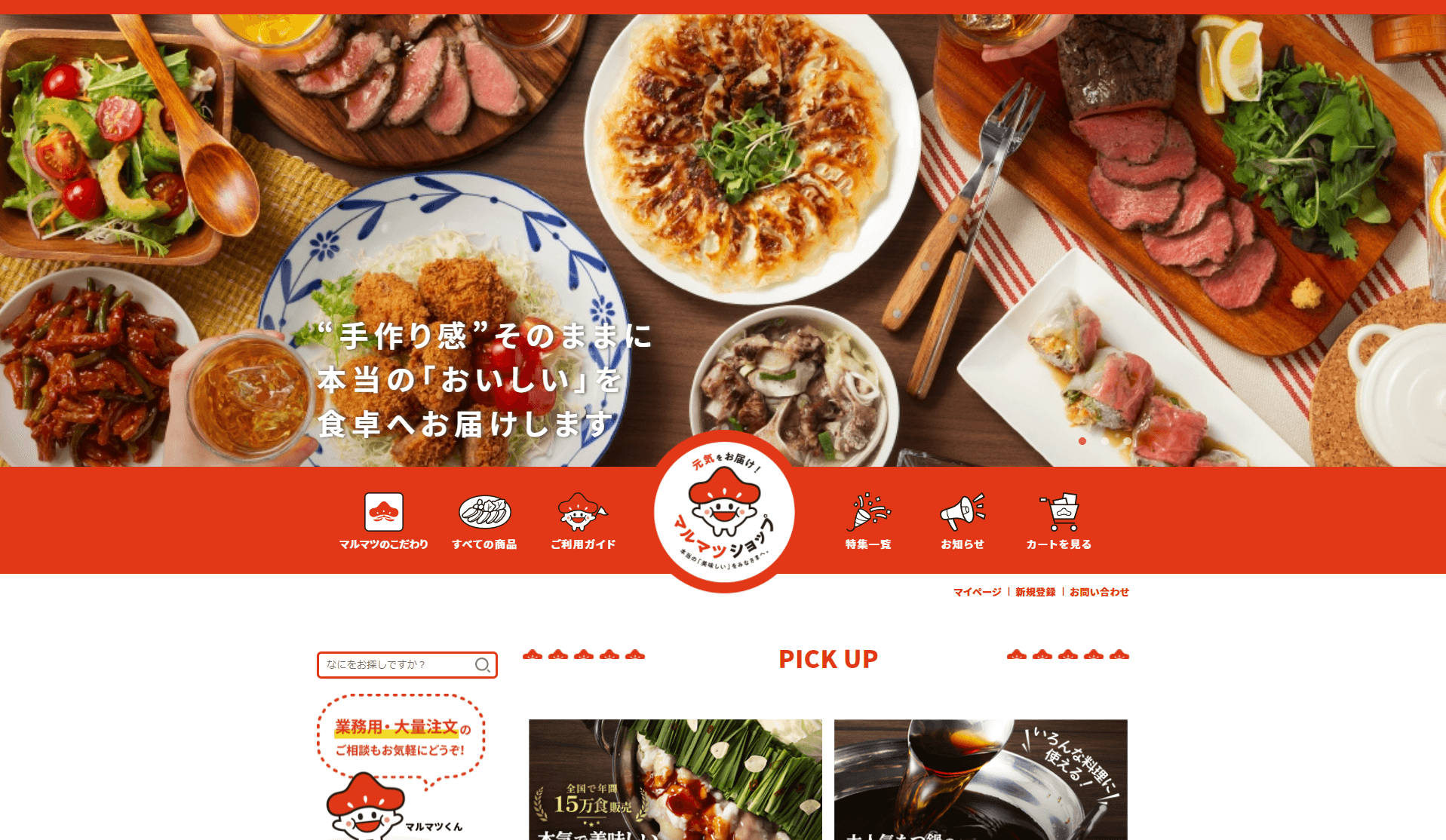
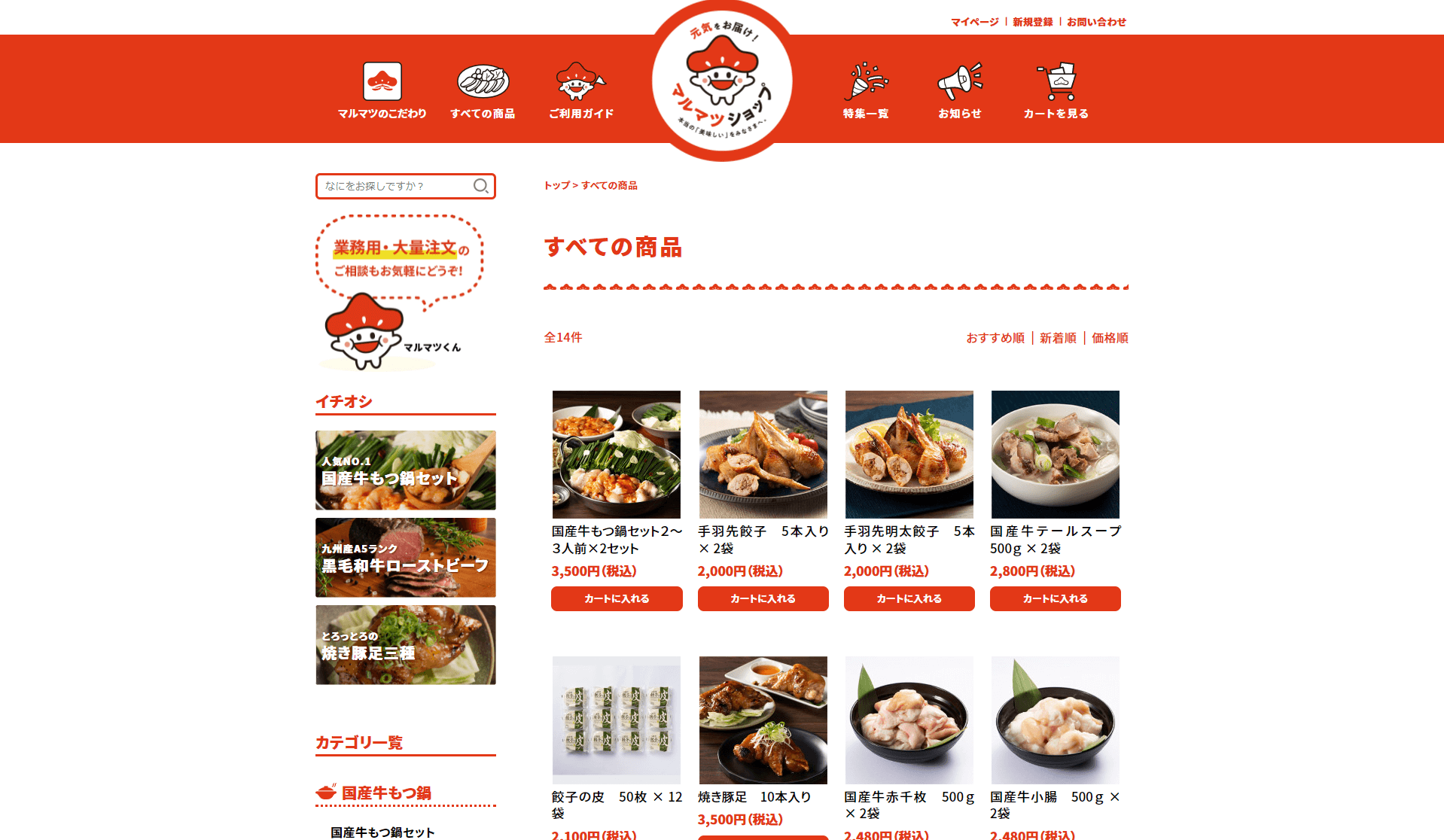
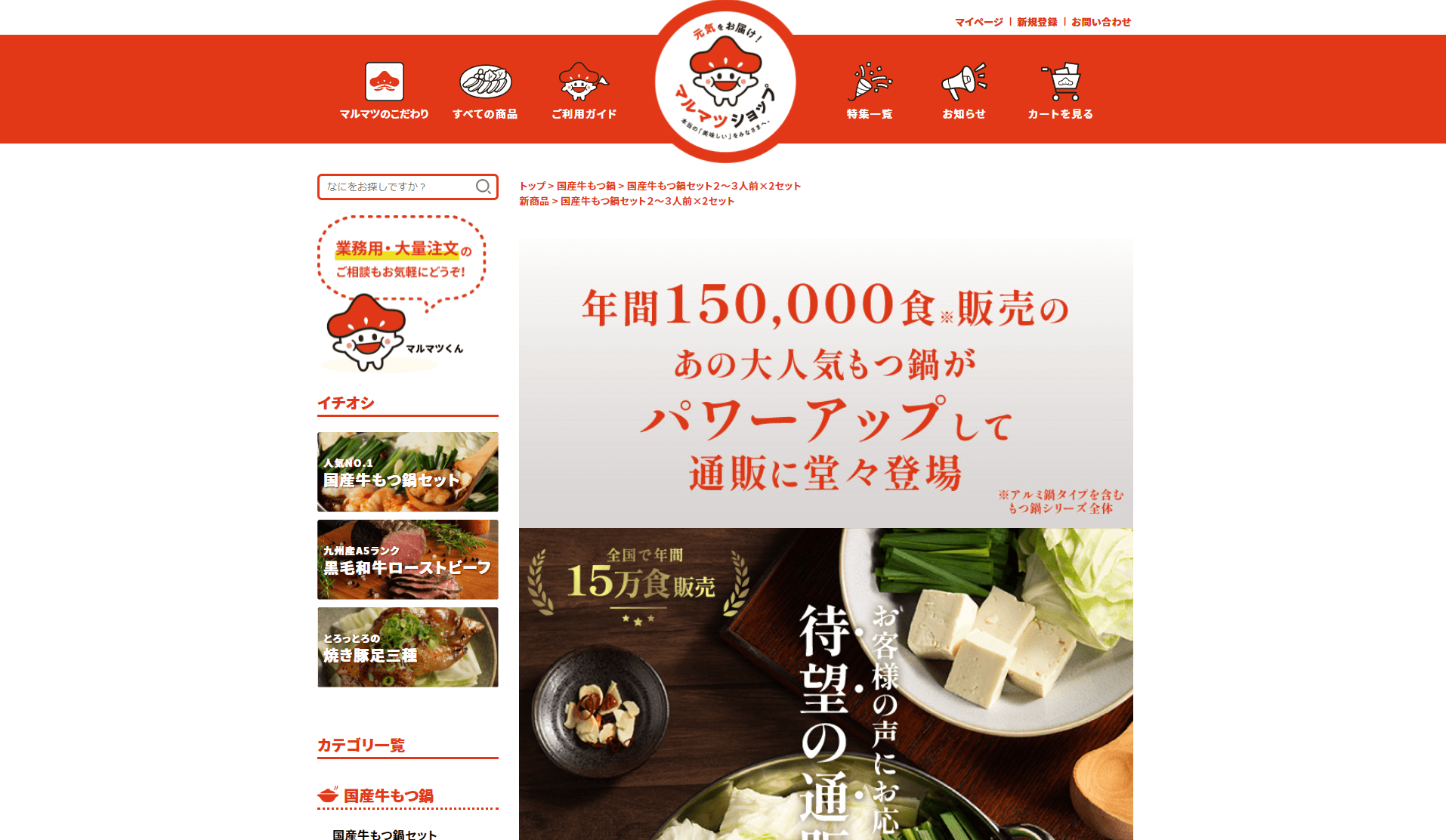
We created a mail order website for Marmatu Sangyo, a comprehensive meat manufacturer located in Katsuragawa-cho, Fukuoka Prefecture.
The company mainly manufactures products for food supermarkets, but due to many requests from the general public to purchase products directly from the company, the client requested the launch of a B-to-C mail-order website.
We proposed a design for the character “Marumatsu-kun” to match the company's "stamina food" image, based on the theme of a friendly mail-order website.
The fun is expressed through the leading lines and illustrations introduced by characters at various points on the site.
The company liked the design of "Marumatsu-kun" so much that it became an official character, and the character is now attached to products and other items.
Mail order site/Rakunoh Farm Takeshita
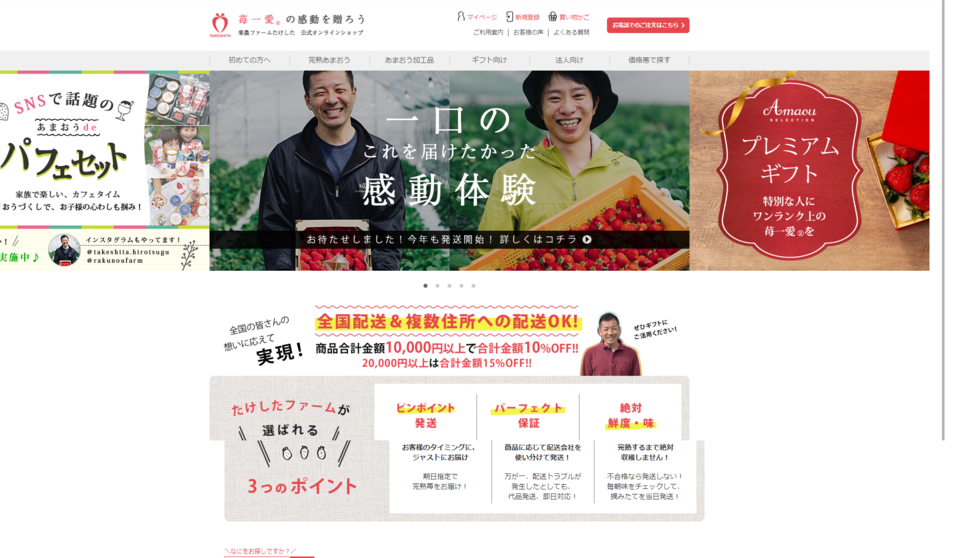
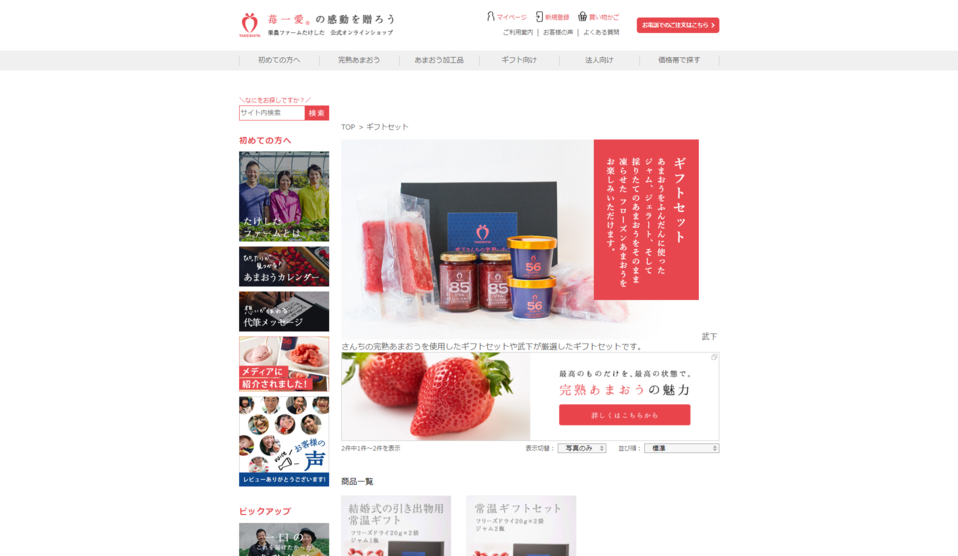
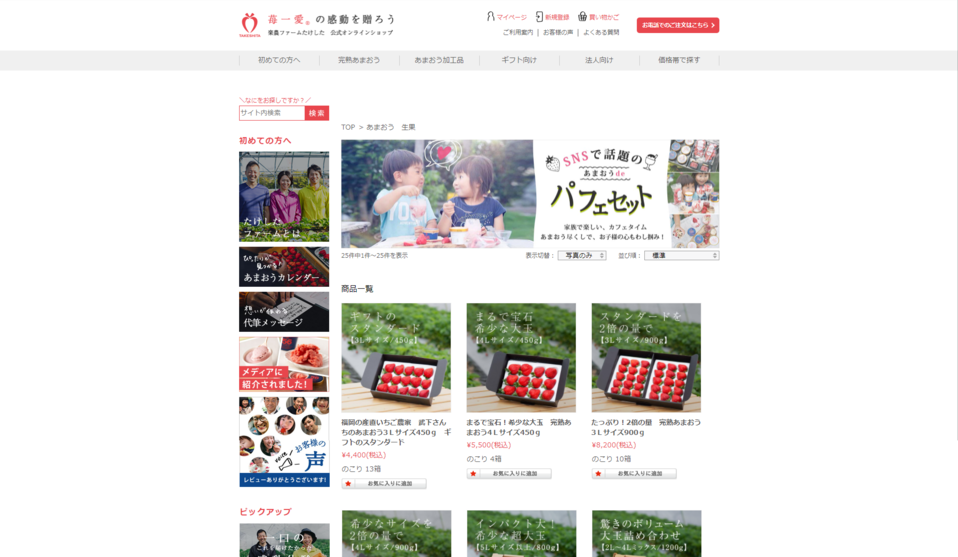
The "Official Online Shop" of Raku-Noh Farm Takeshita, a strawberry farmer in Okawa City, Fukuoka Prefecture, has been renewed.
At the time of the request, the start of strawberry reservations was just around the corner and renewal was required as quickly as possible.
Therefore, we first created a product LP of "Fully Ripe Amaou" to strengthen sales of our mainstay products. As a result, bookings increased three times compared to last year.
The site has since become a year-round sales site with increased appeal on the product pages for processed products.
Photography was also conducted both onsite and in the studio in order to prepare content that conveyed the producer's thoughts and high quality and photographs that matched that expression.
In addition to providing post-production management support for websites, we also create gift product package designs tailored to the target market.
Brand Site / Kyushu Yakuhin Kogyo Co.
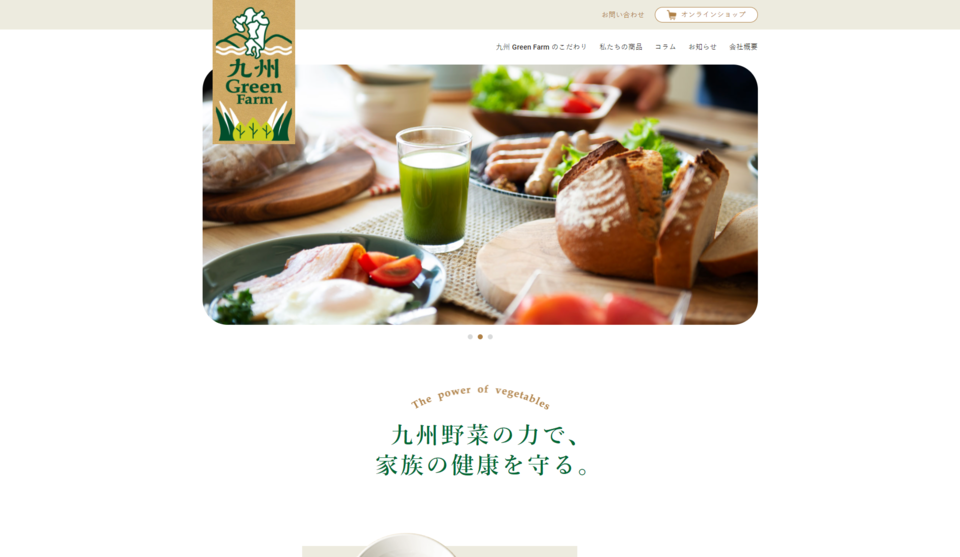
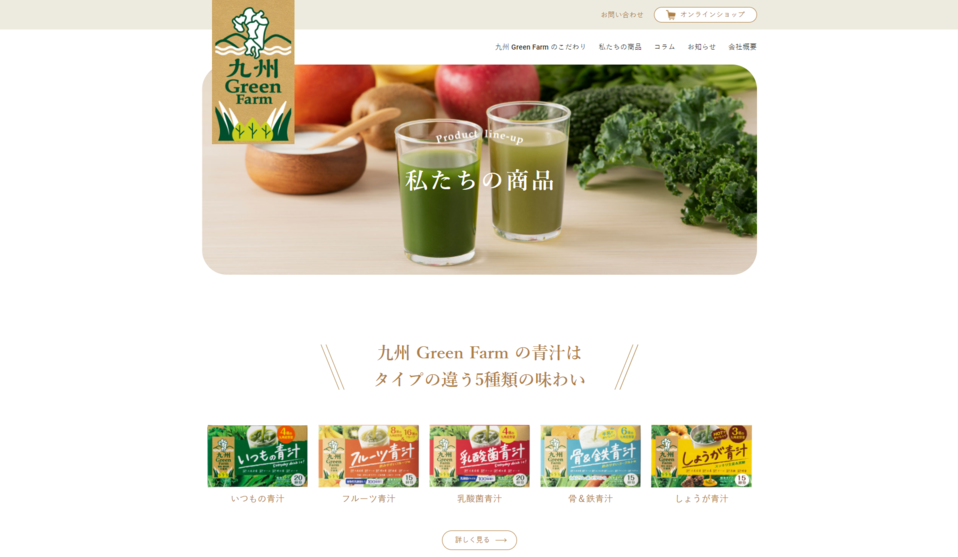
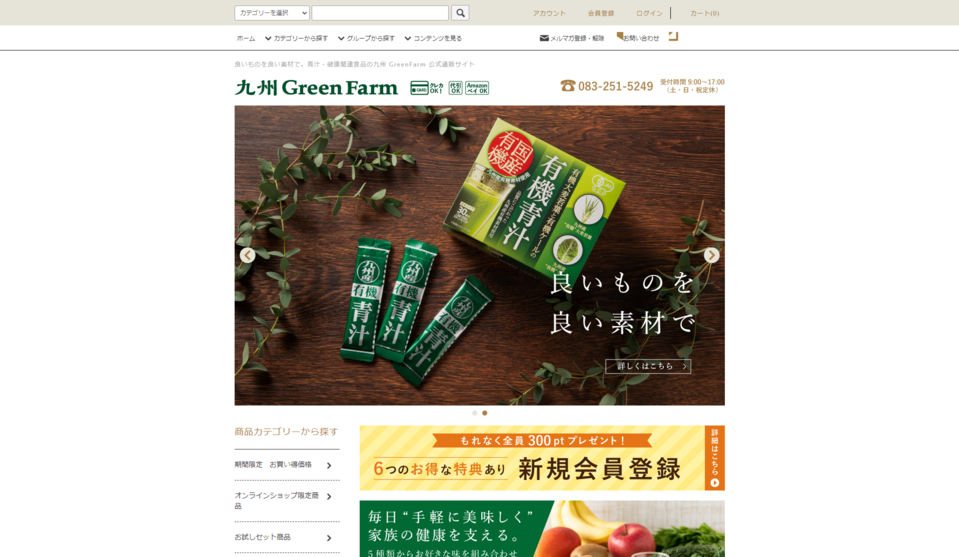
We created the brand website "Kyushu Green Farm" for Kyushu Yakuhin Kogyo, a manufacturer and seller of green juice.
The website was designed to convey the brand's world view and product appeal, targeting families, as Aojiru has a wide variety of flavors and is easy for the whole family to enjoy, even for small children. We were involved in the comprehensive development of the brand website, from photography to page production, paying particular attention to images that convey a “lifestyle with Aojiru.
In addition to the "Kyuguri Tsushin" article submission function, which is designed to be an information transmission site for consumers, the product list page also leads to a mail order site for product purchases, and so on.
Mail order site / Tanaka Seimen Co.
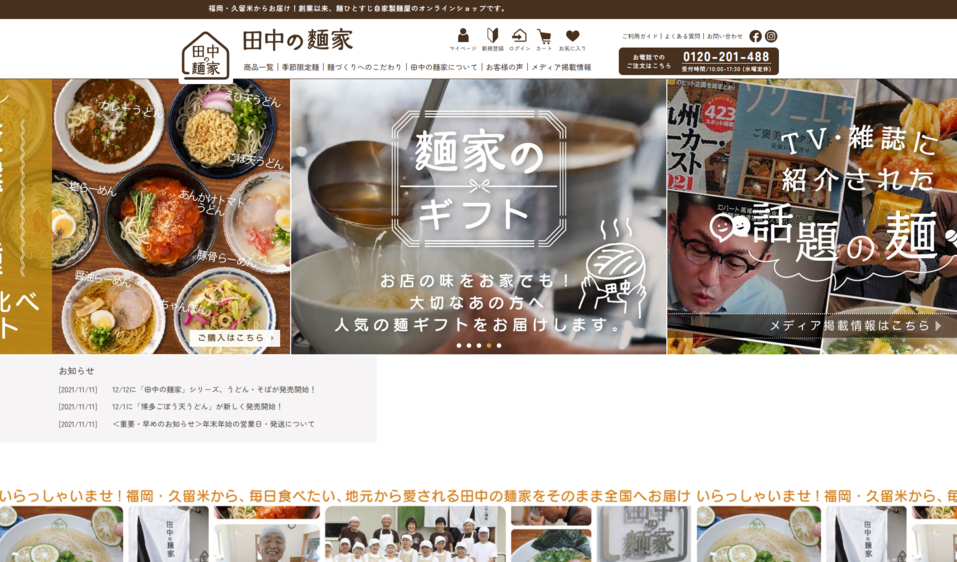
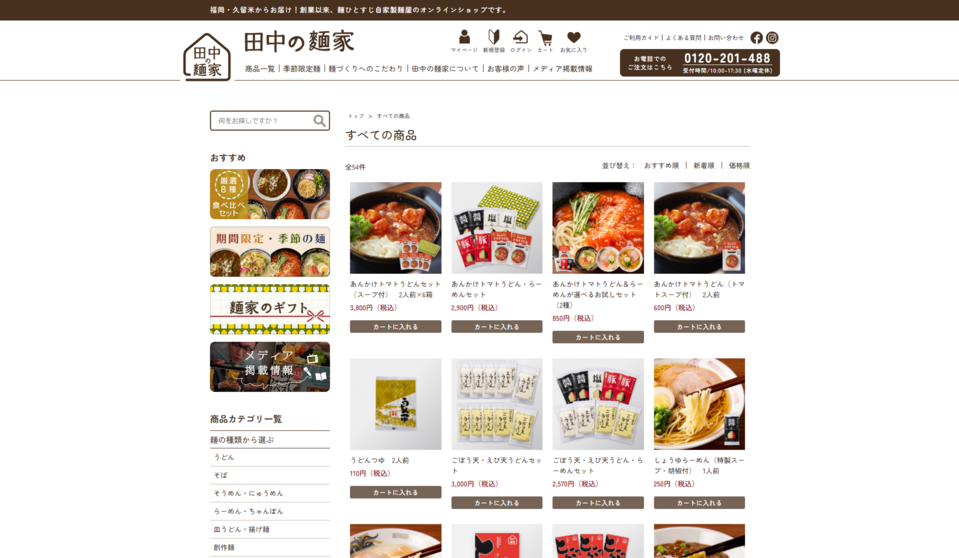
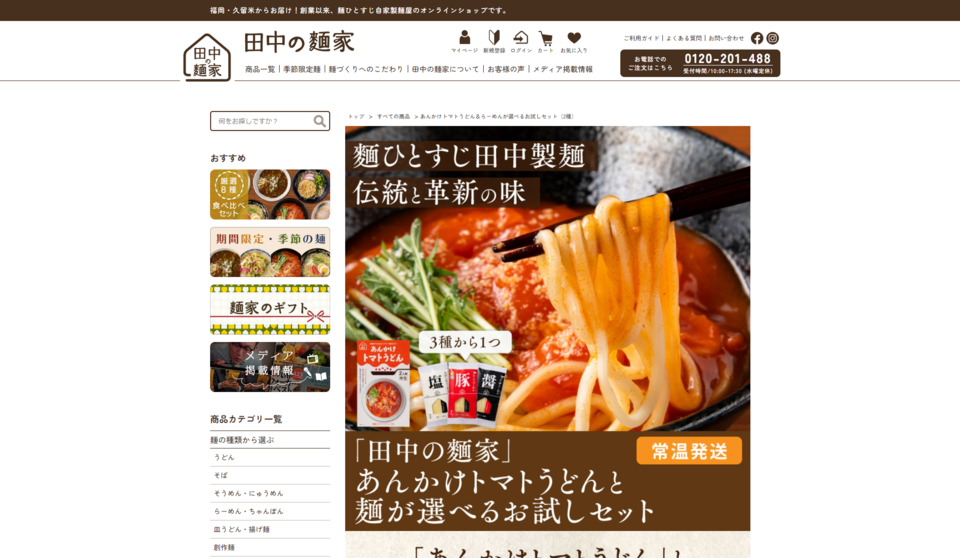
We renewed the mail order site of Tanaka Seimen, a noodle factory in Kurume City, Fukuoka Prefecture.
In order to strengthen the mail-order business, the client requested a review of the existing mail-order site as well, and we designed the pages to emphasize trial sets and seasonal products that would lead to sales promotions, as well as to change the cart system.
We also provided full support to the mail-order staff in charge of mail-order sales, including lectures on how to use the cart system and advice on order-taking and shipping systems, all of which were necessary to strengthen the mail-order business.
Corporate site, Mail order site / Hita Soy Sauce
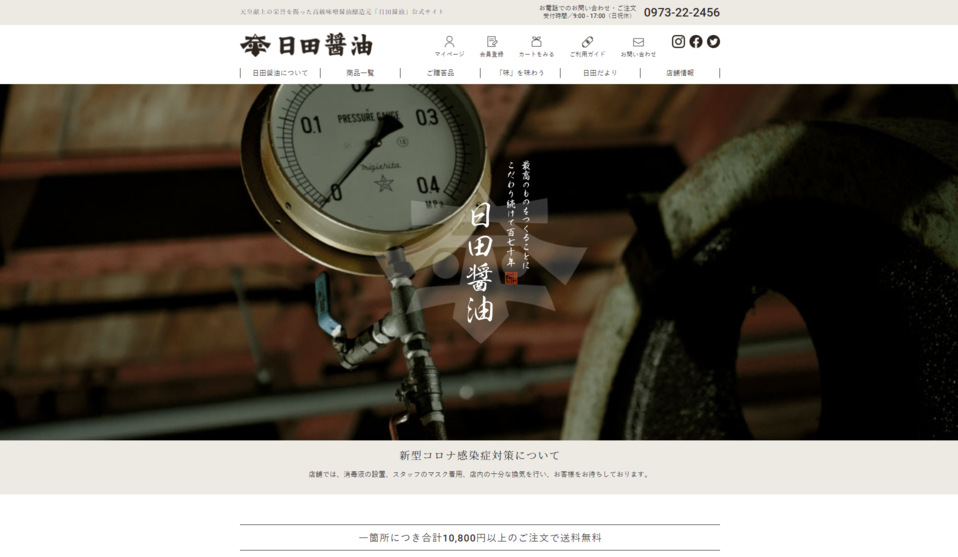
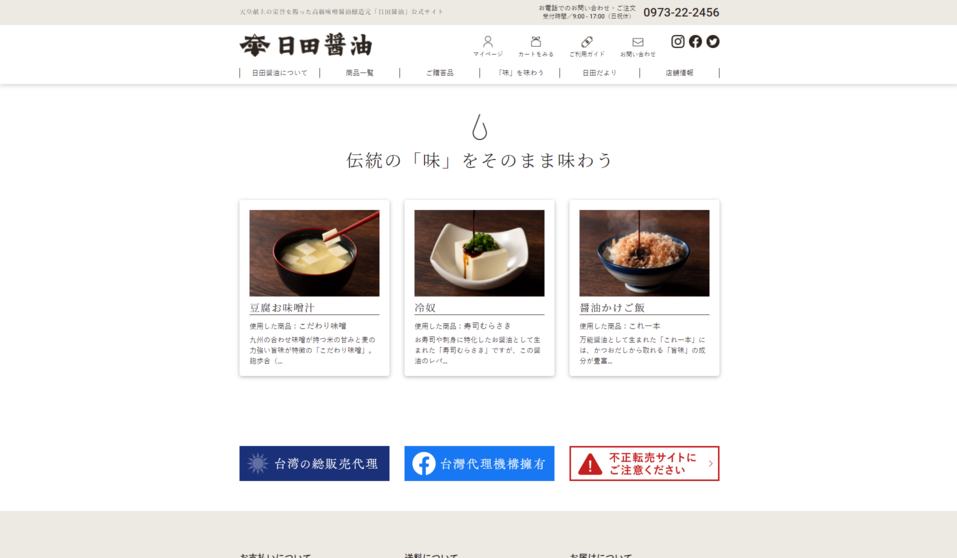
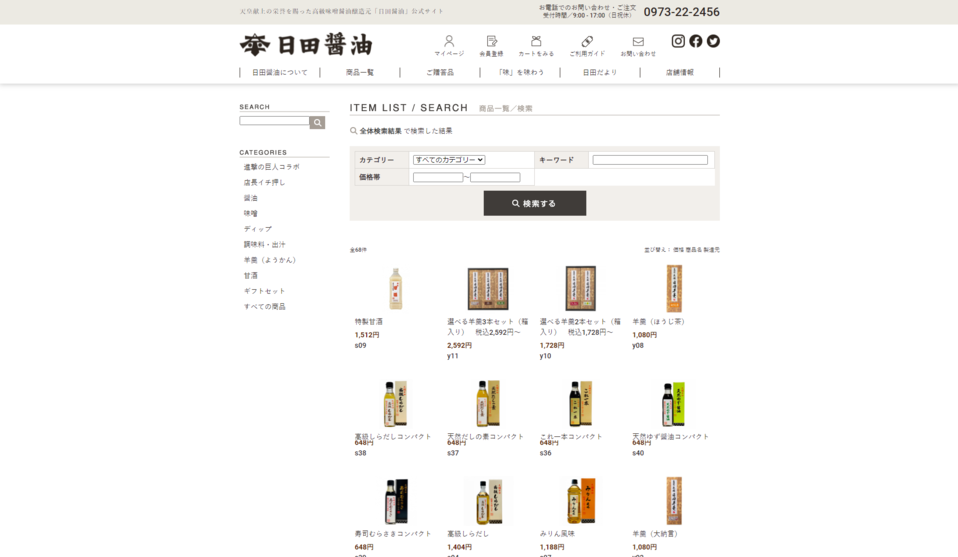
We created a corporate and mail order website for Hita Soy Sauce, a manufacturer and distributor of miso and soy sauce in Hita City, Oita Prefecture.
We wish to redesign the existing mail order site and make it easier for consumers to purchase.
We proposed integrating the separate corporate and mail-order websites, focusing on the three main products and designing the main products to stand out on the TOP page.
We have made it easy for first-time users to understand information about the company and its products, and easy for them to select products.
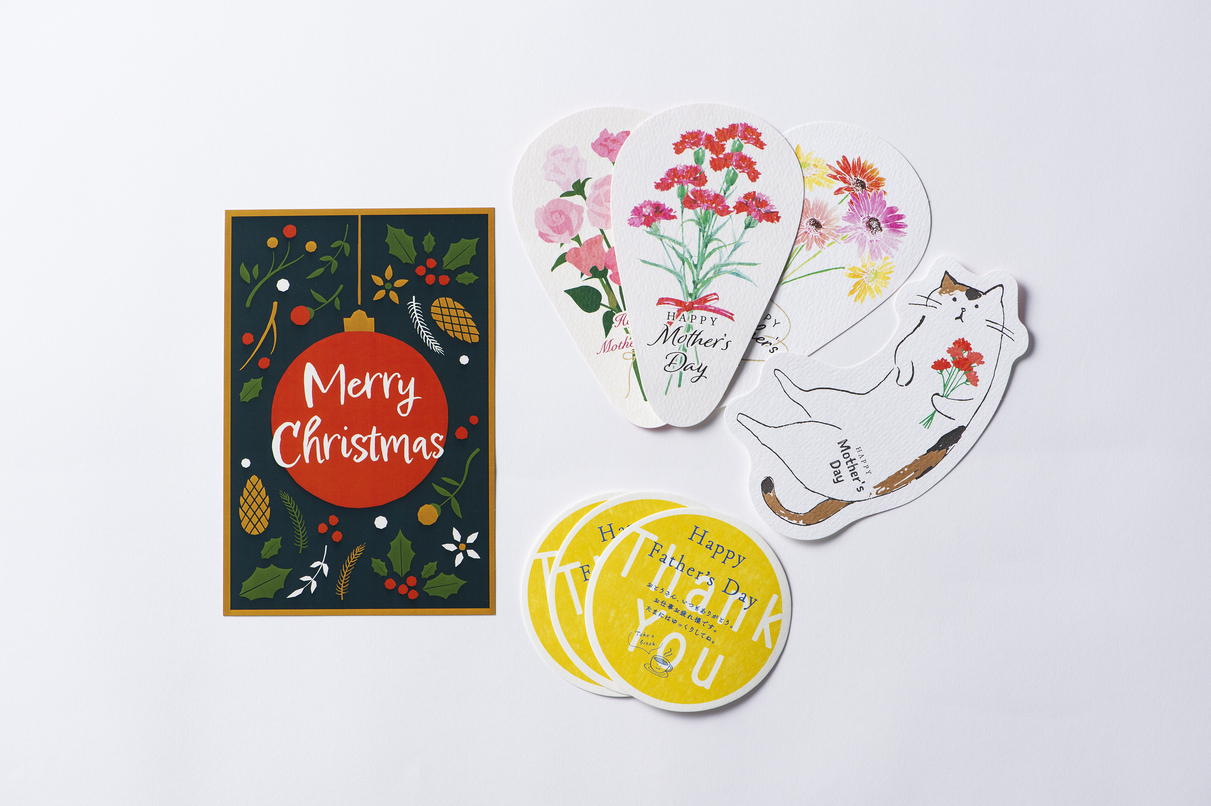
Cards for Christmas DM, coffee labels/Kyusyu Oyakudome Honpo
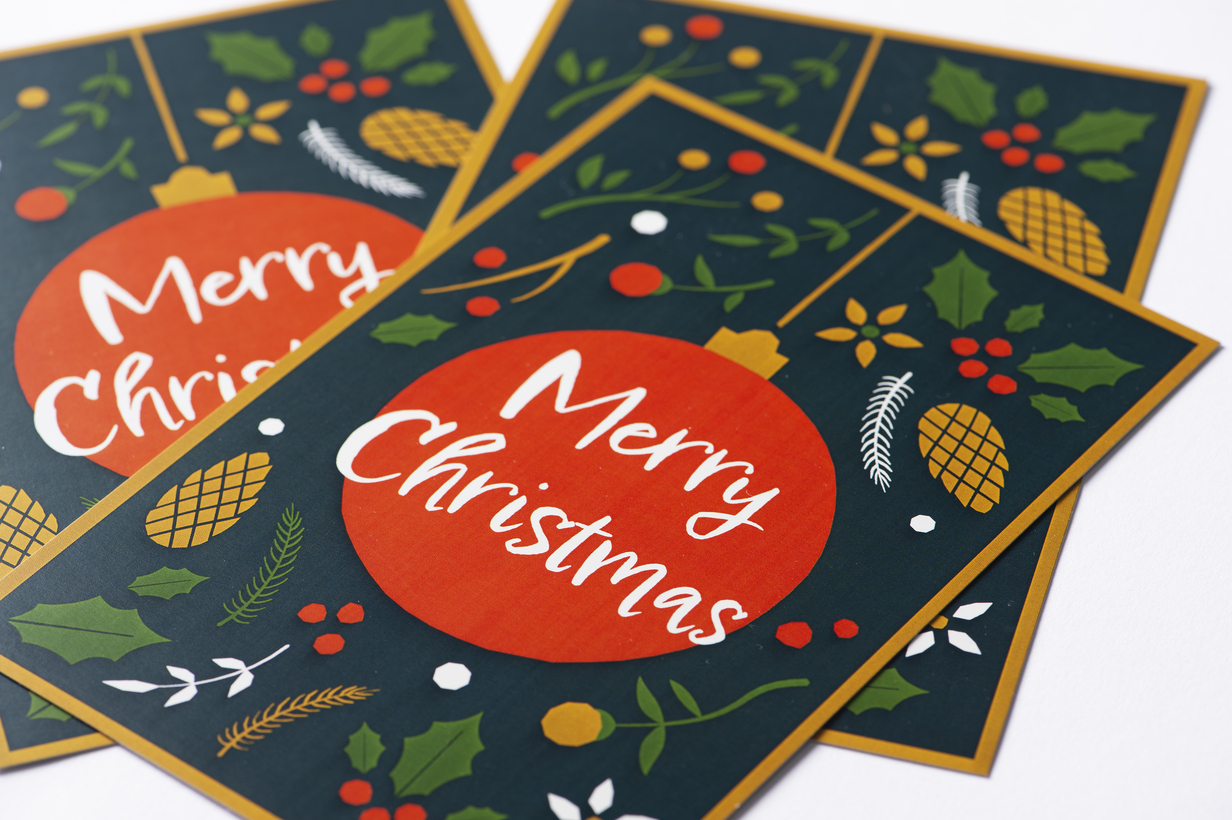
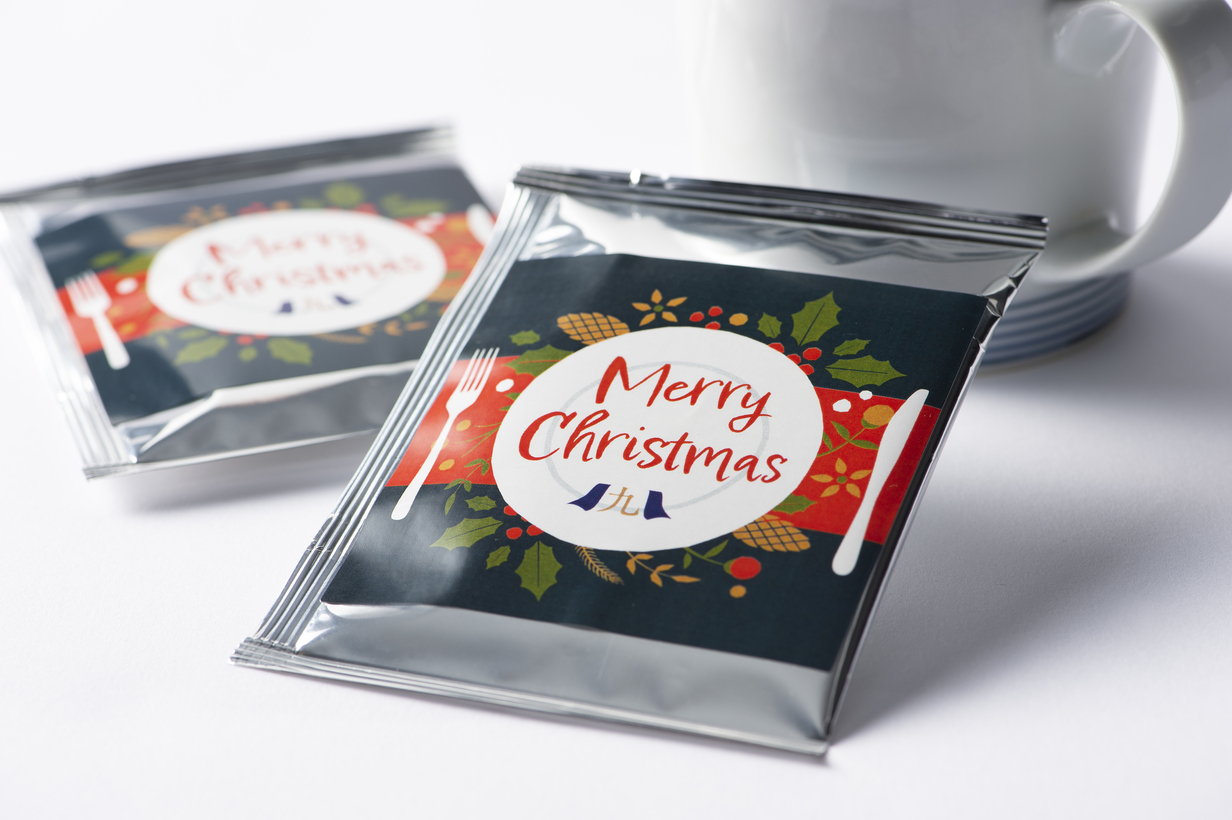
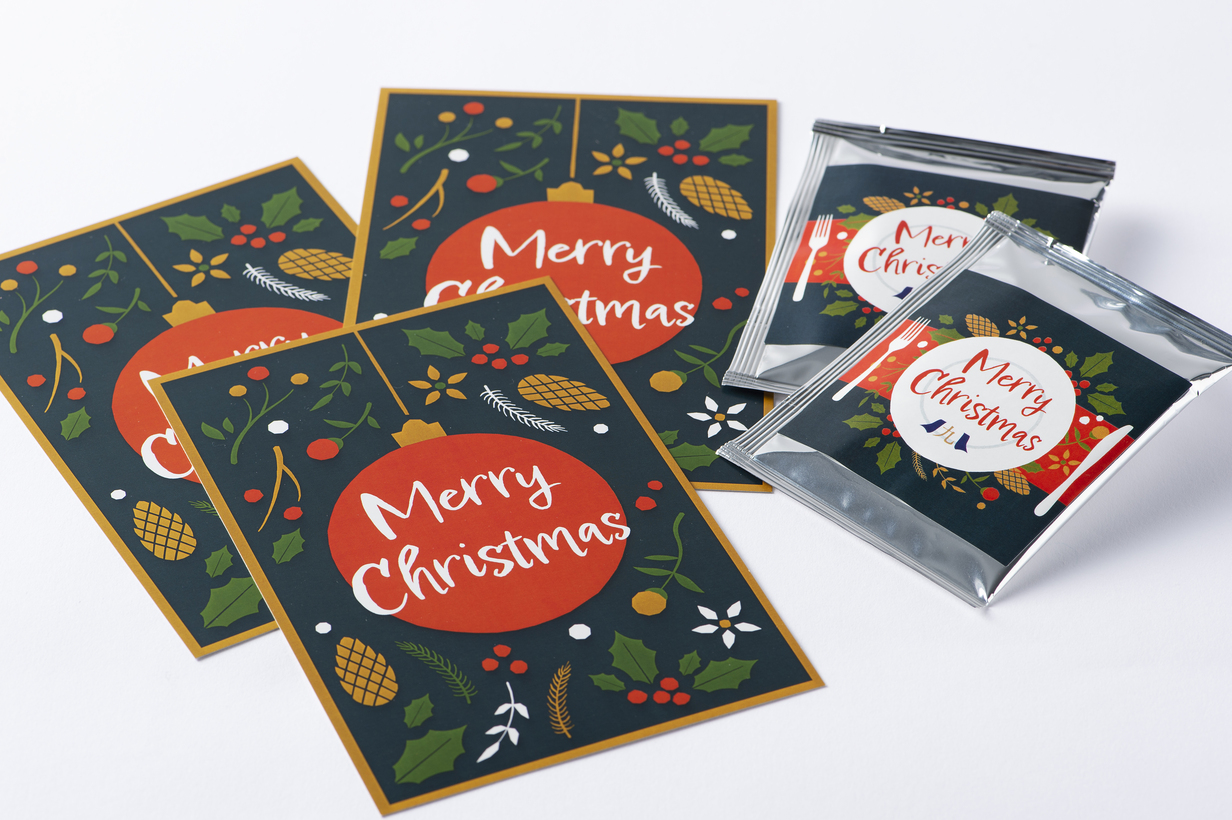
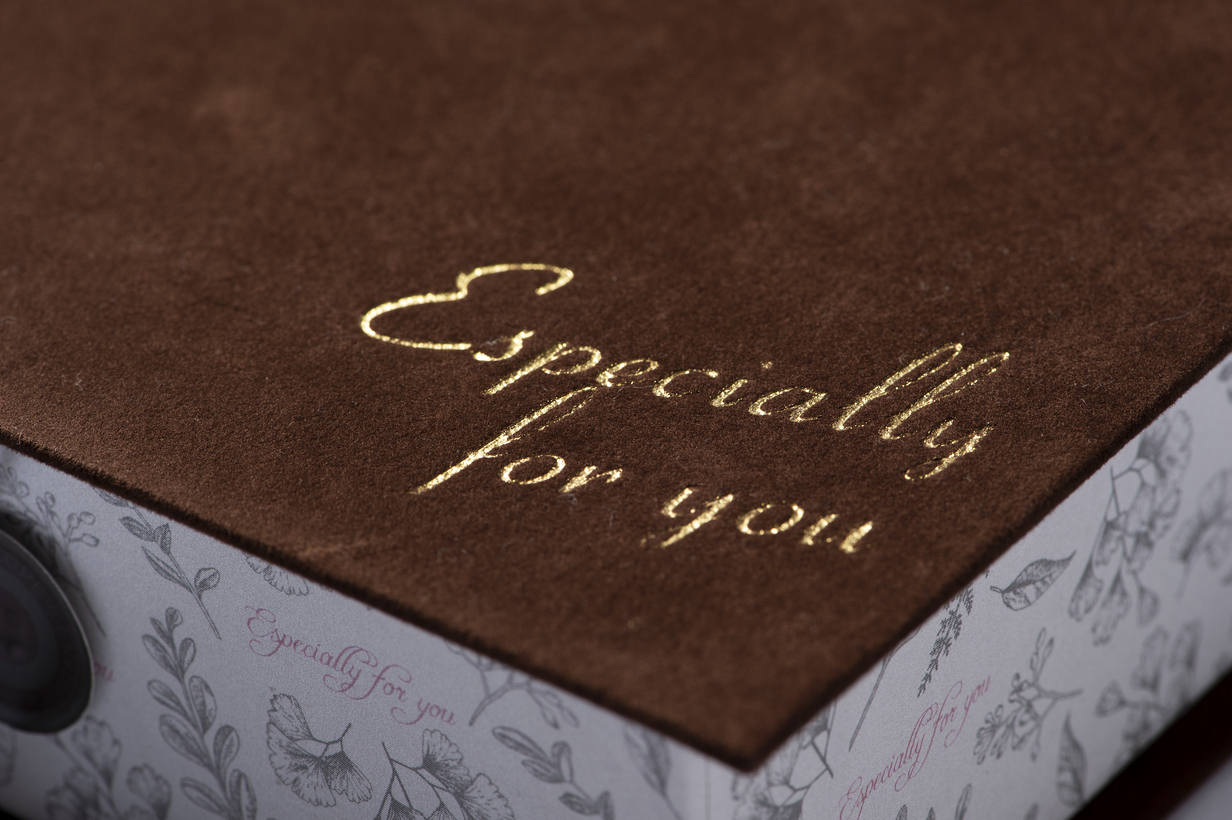
Cheesecake Gift Box / Kyushu Oretaki Honpo
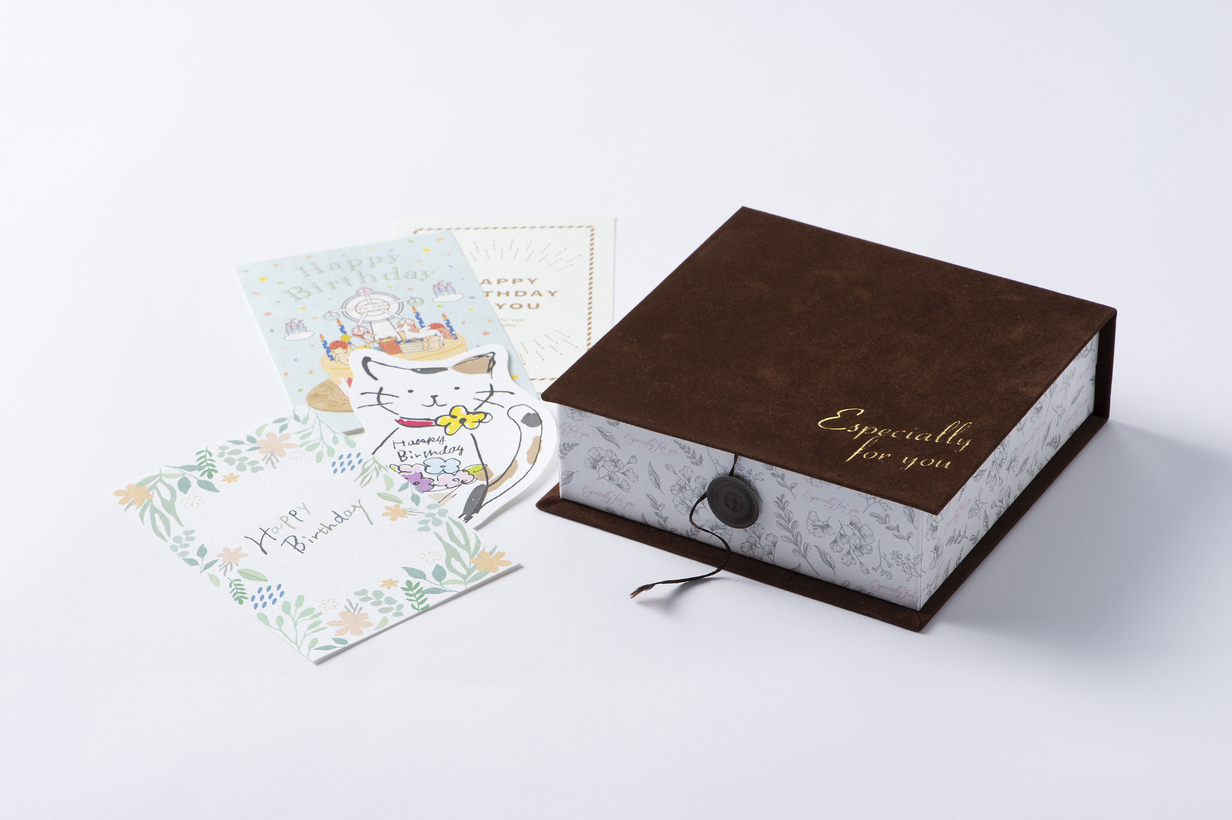
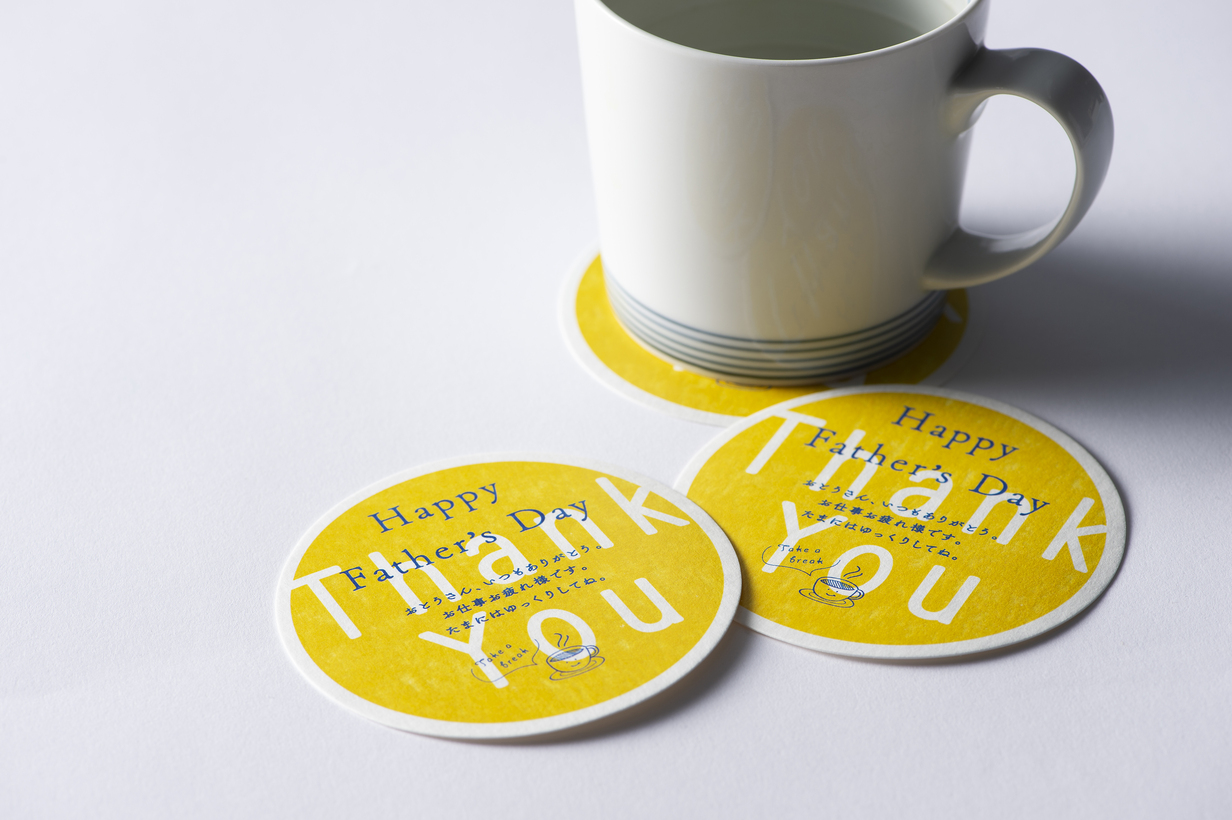
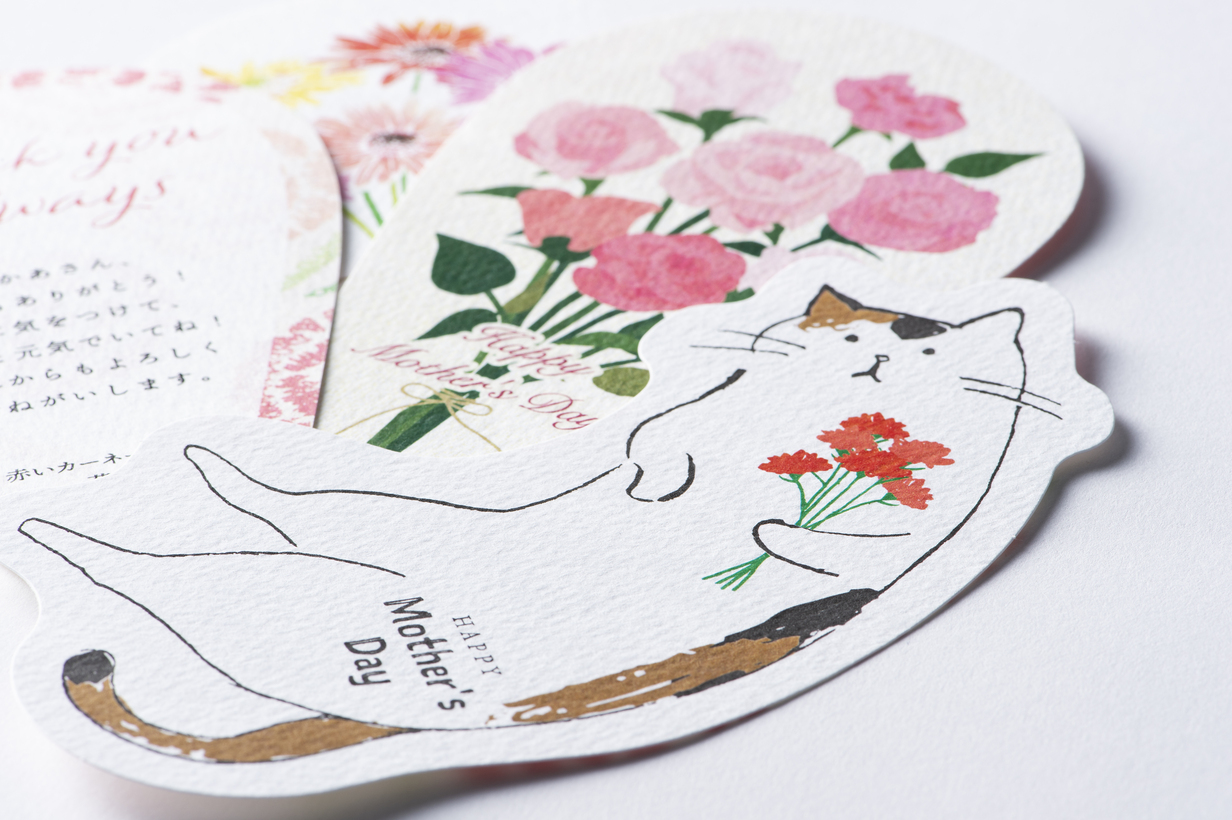
Various postcards/Kyushu Oyakudo Honpo
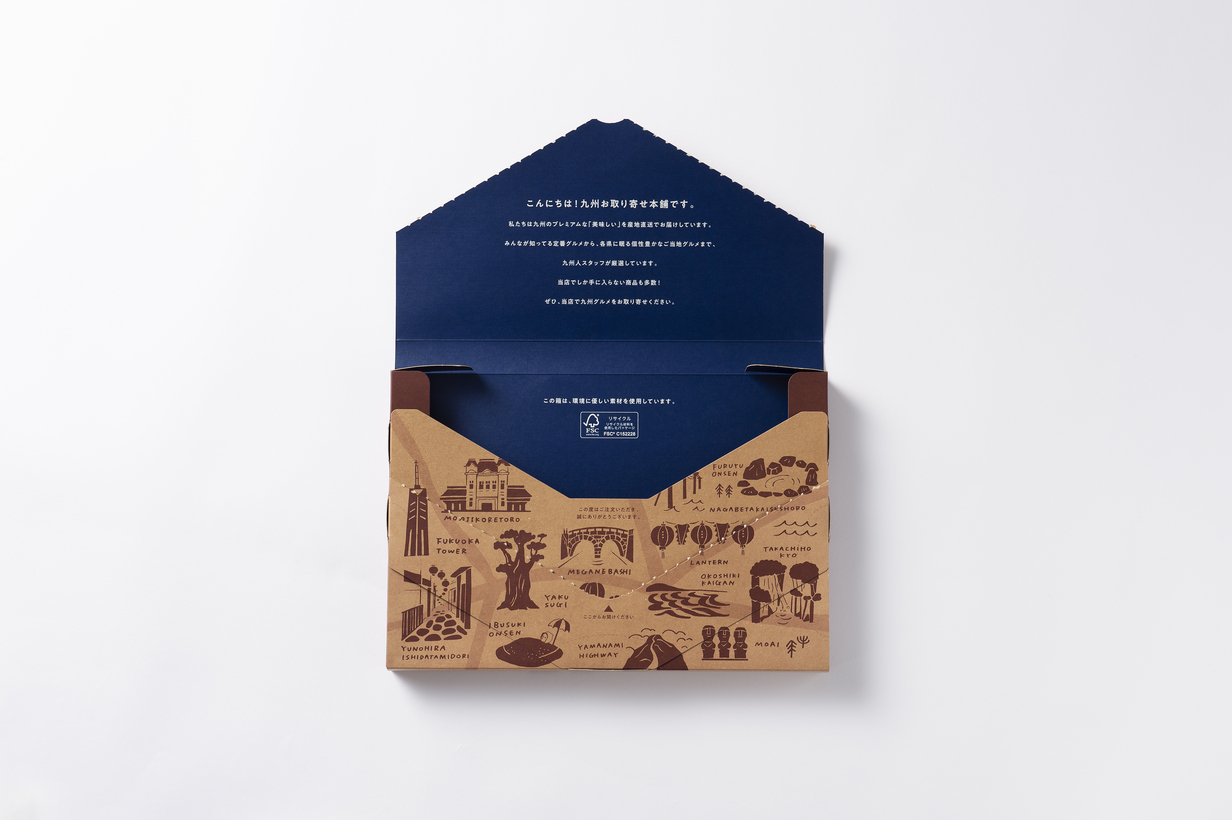
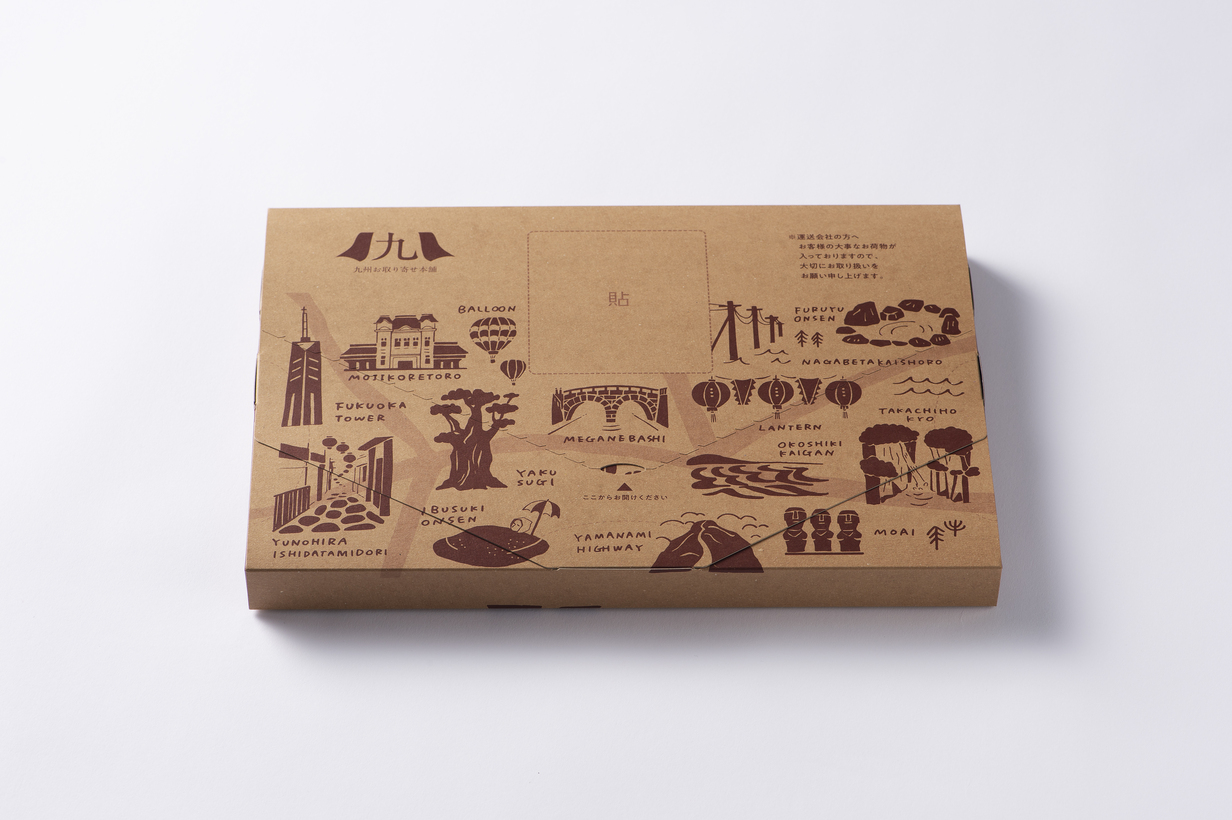
Boxes for mail delivery / Kyushu Oyakayori Honpo
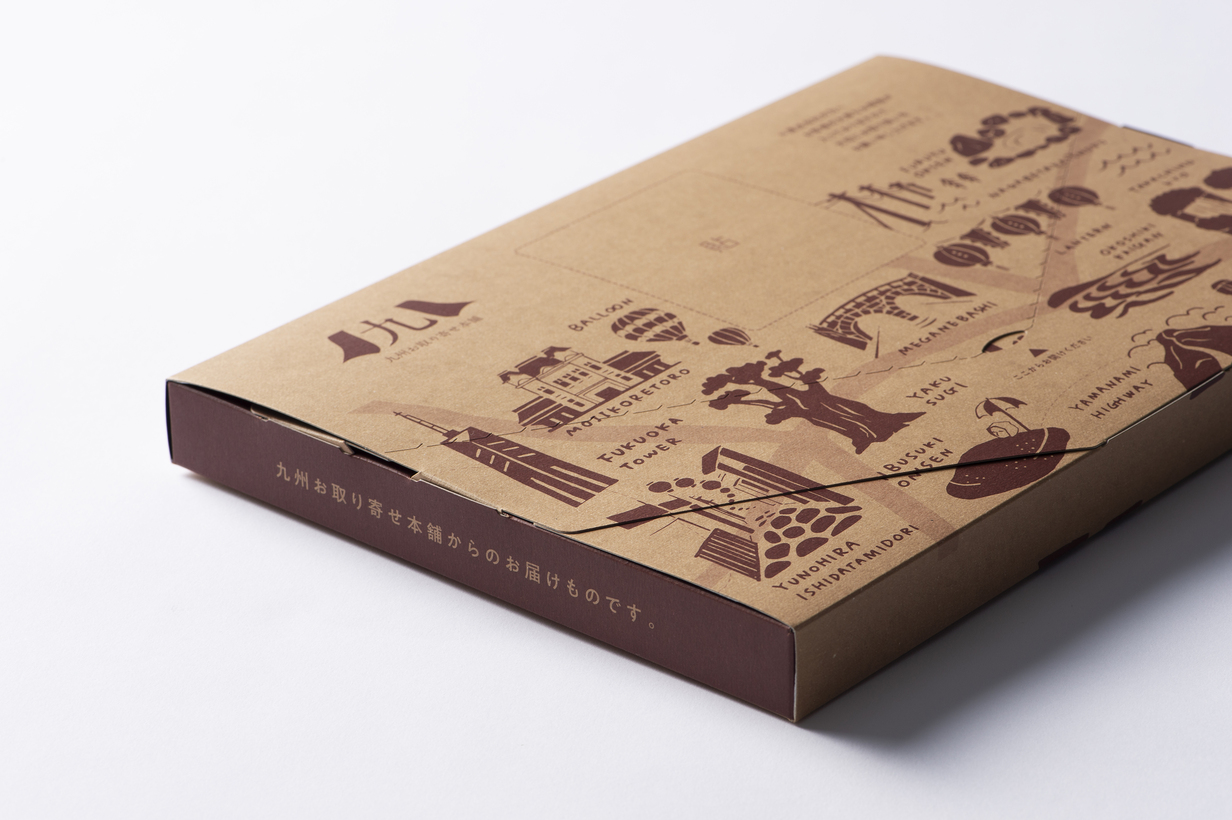
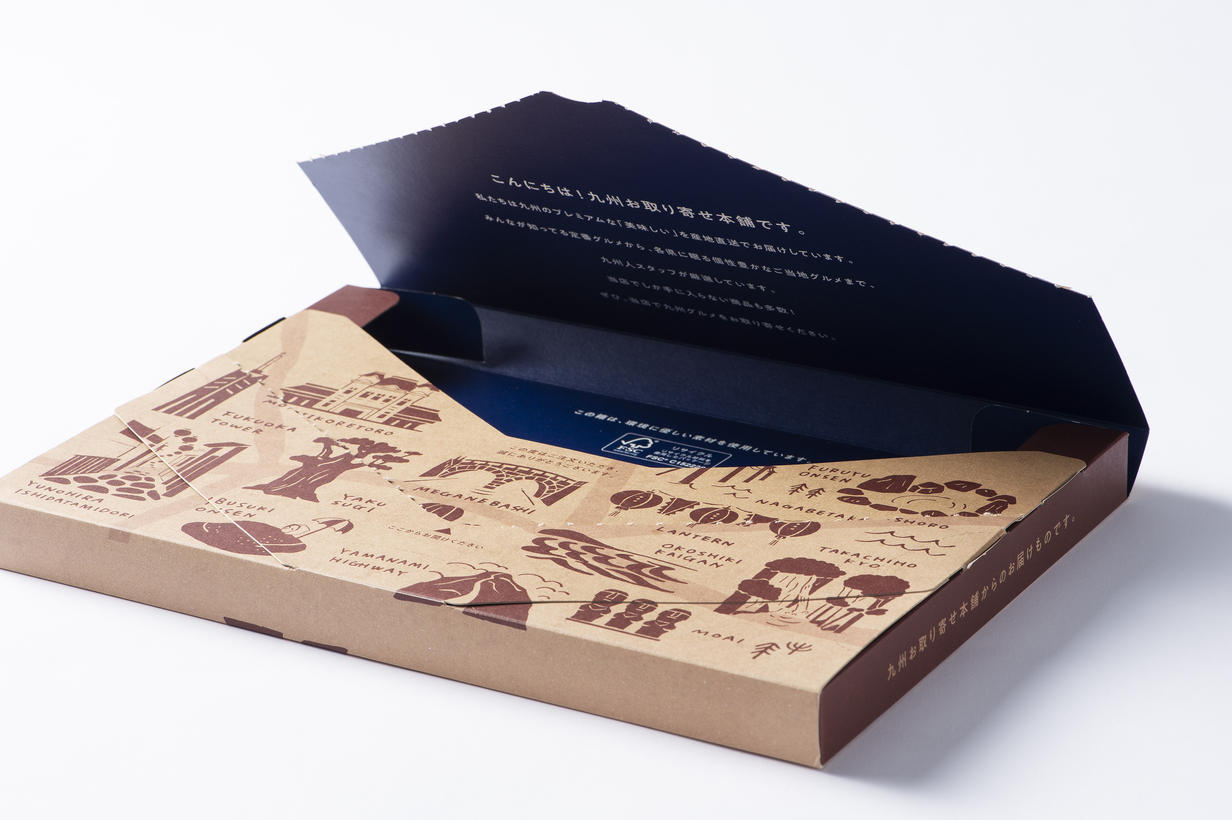
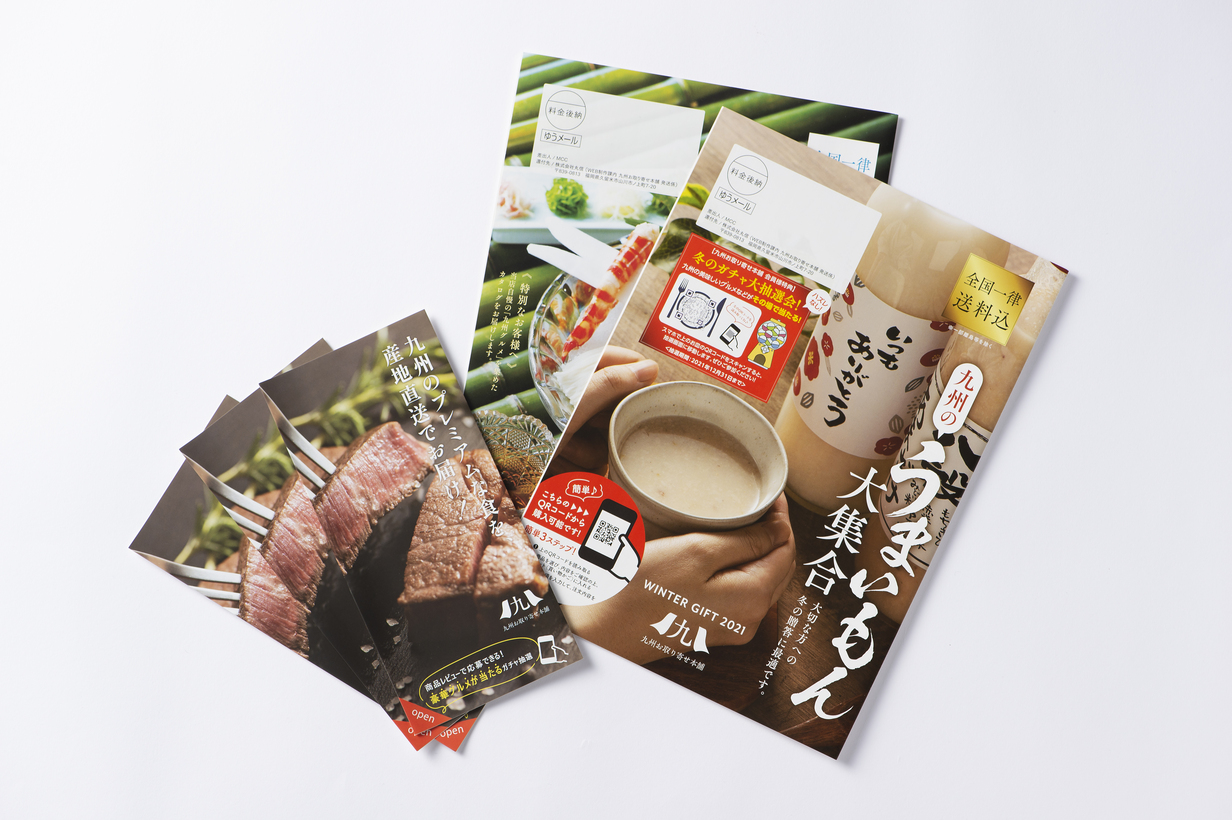
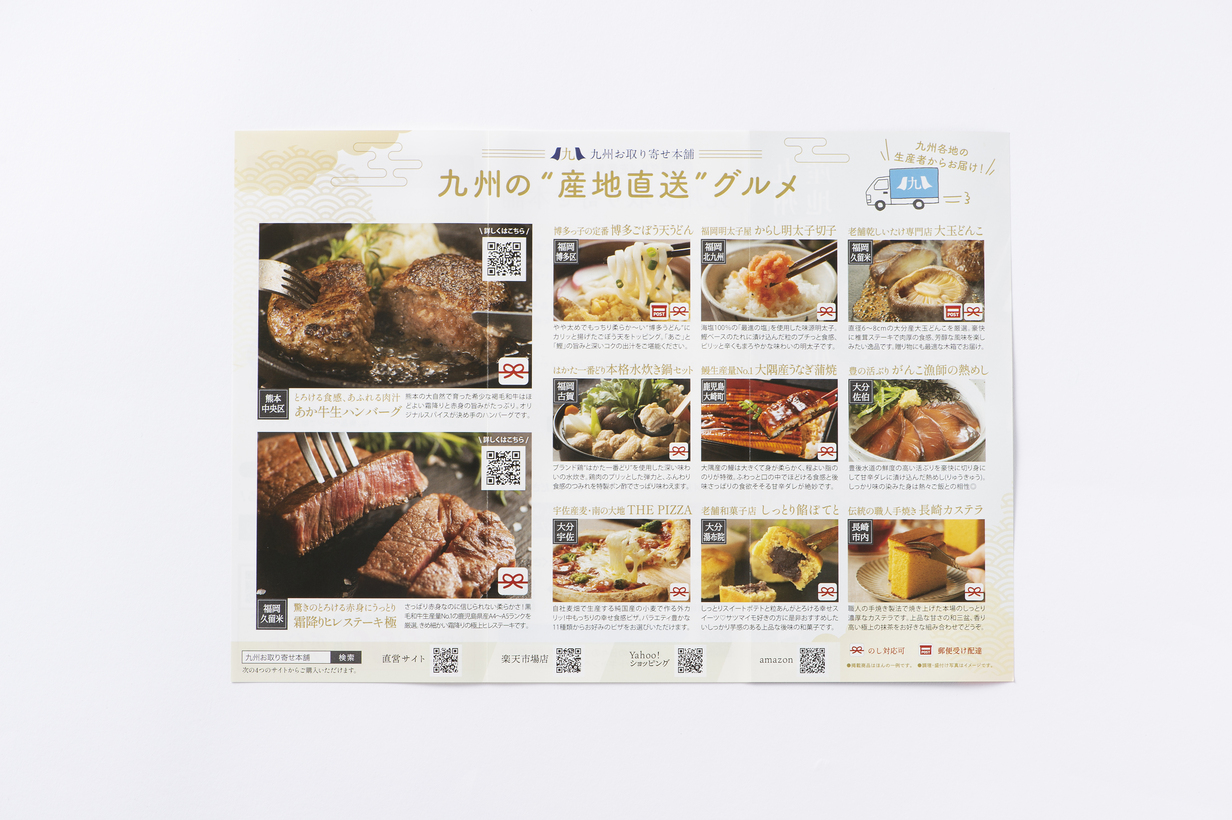
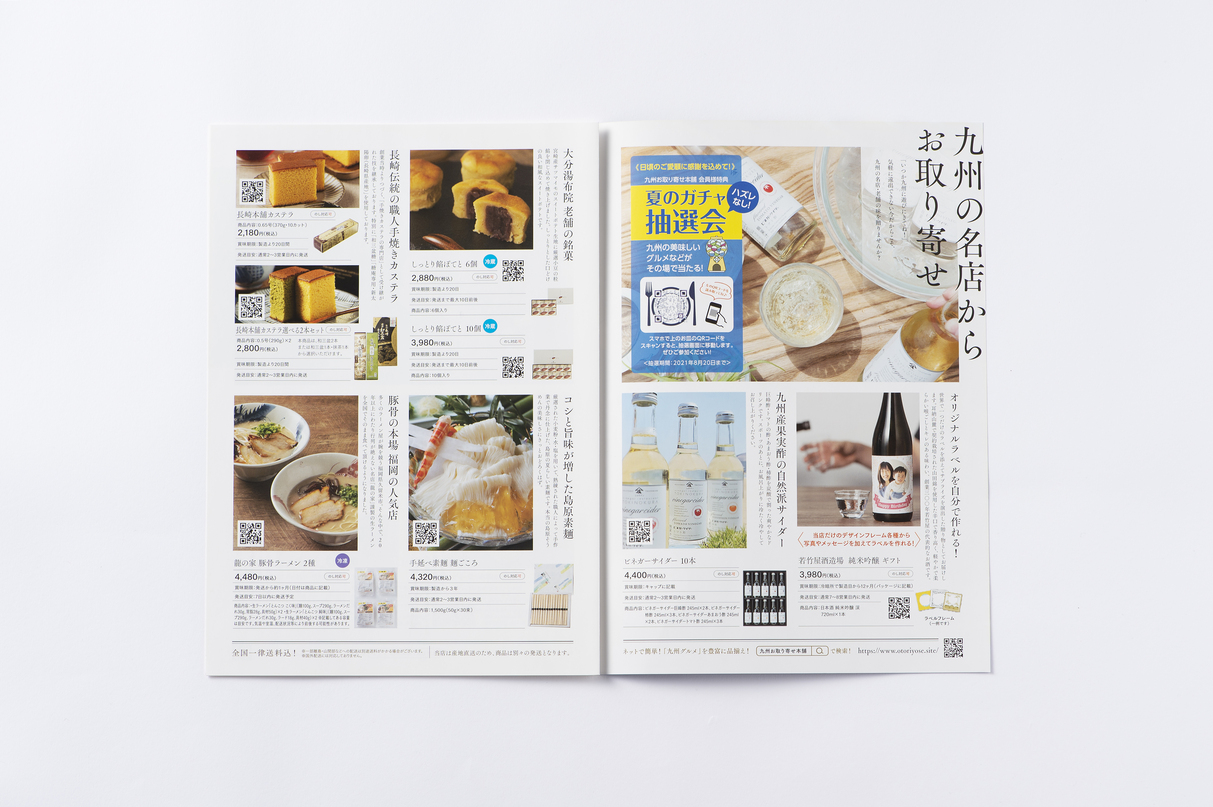
Leaflet included in the package, DM catalog/Kyusyu Oyakoyori Honpo
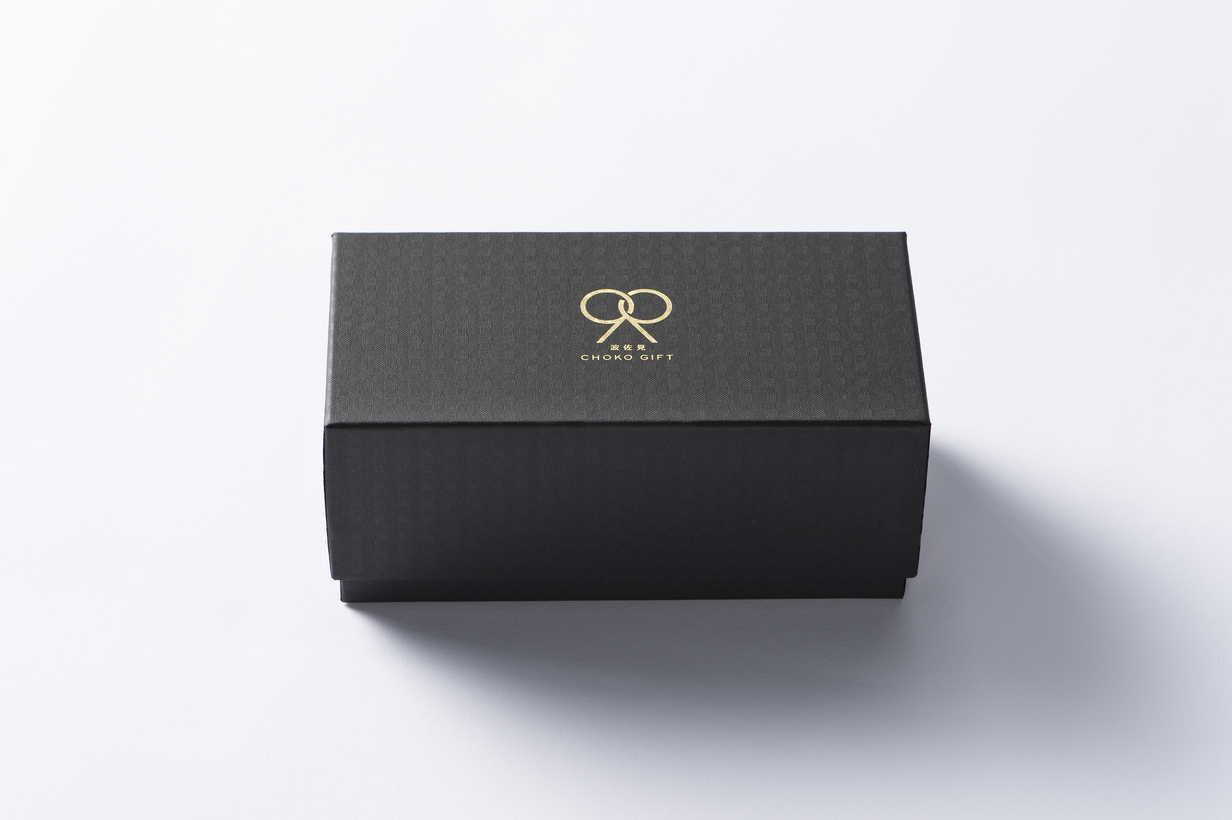
Hasami-ware cup gift box / Kyushu Oyaki-Honpo
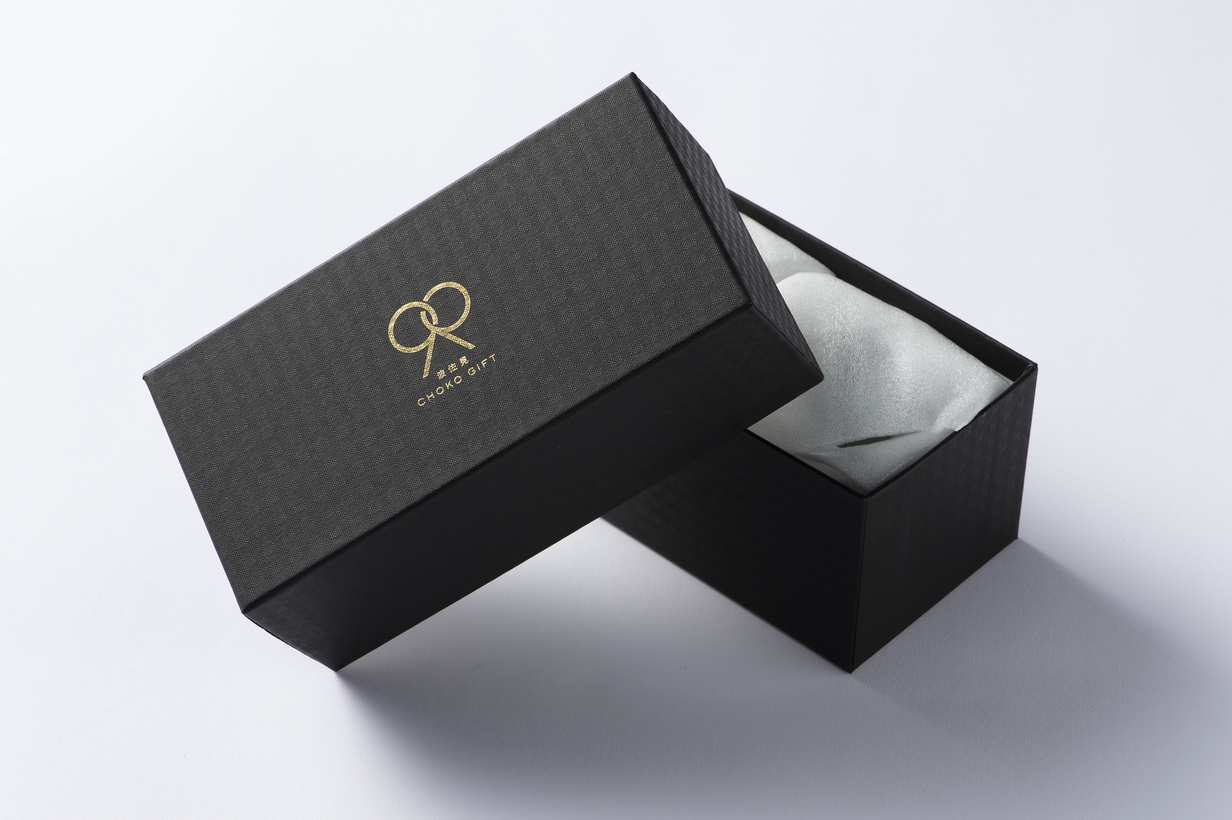
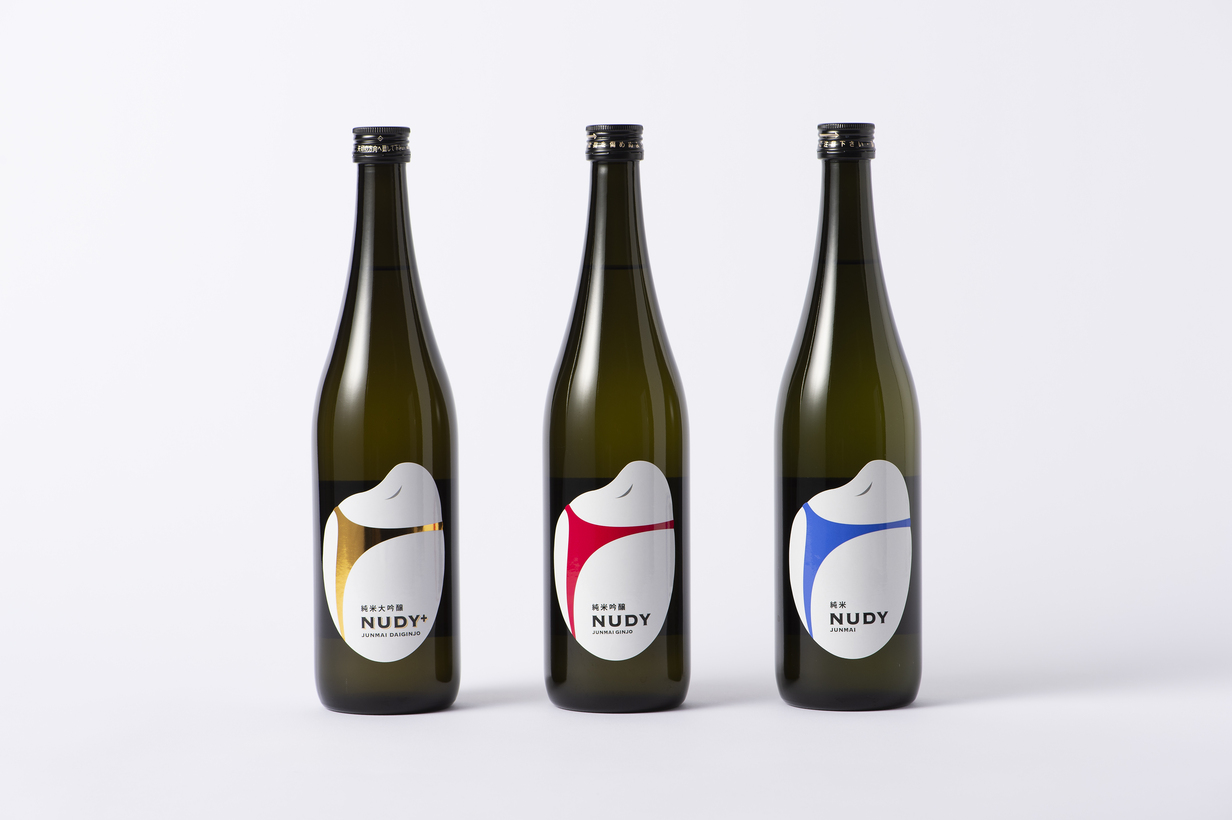
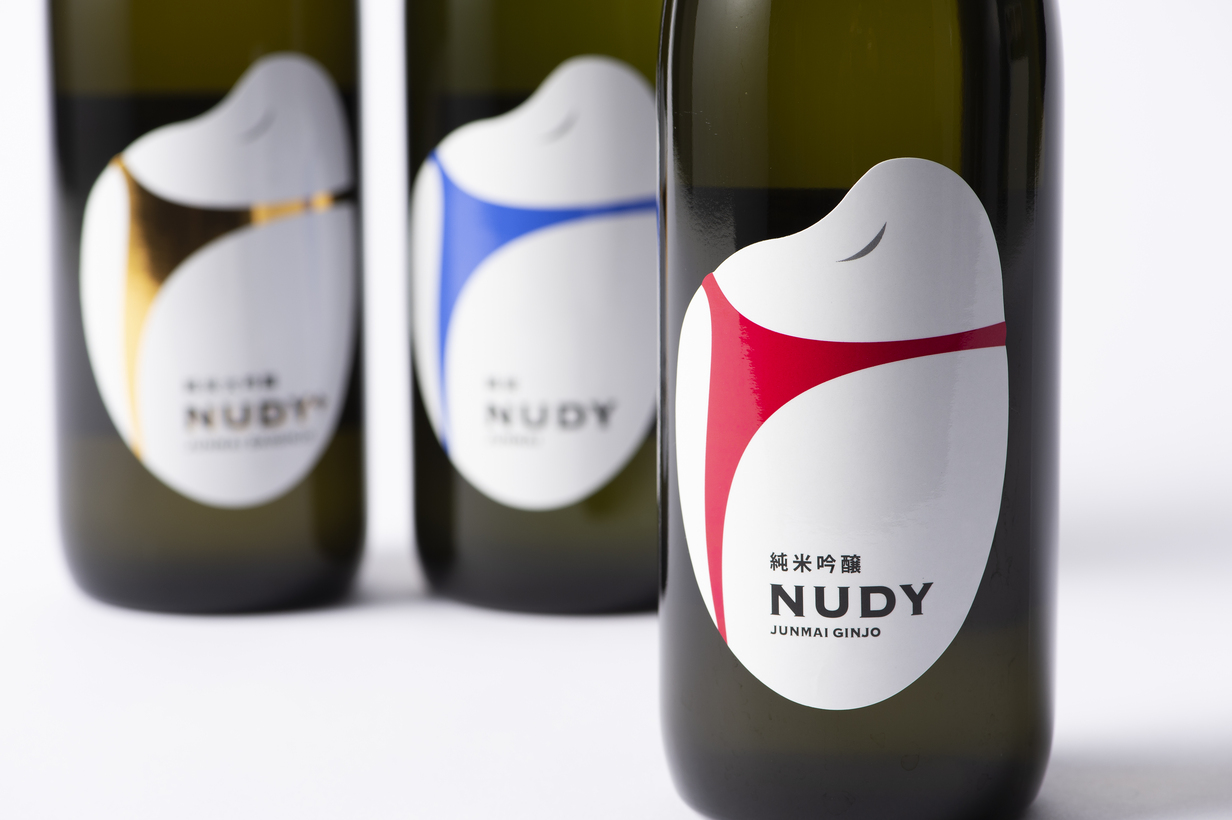
Sake "NUDY" label / Wakatakeya Brewery
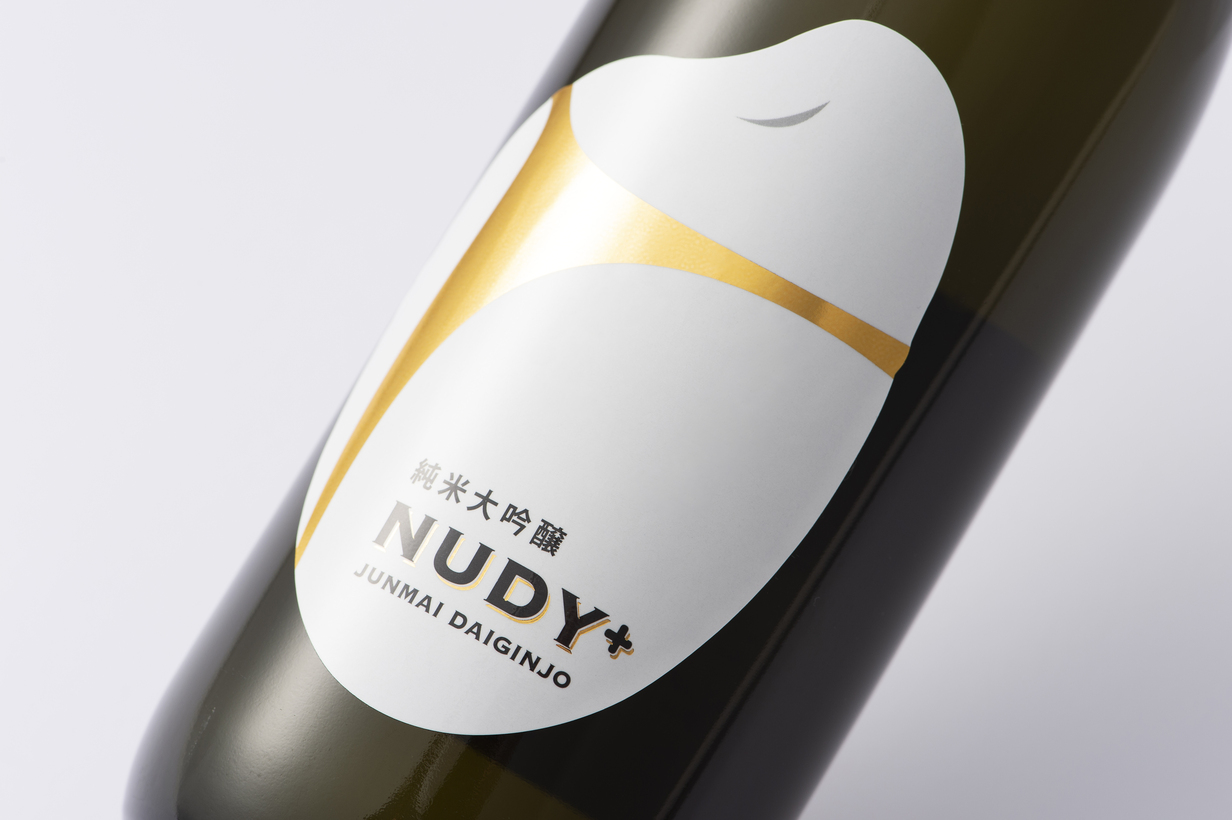
Sake Label / Wakatakeya Sake Brewery

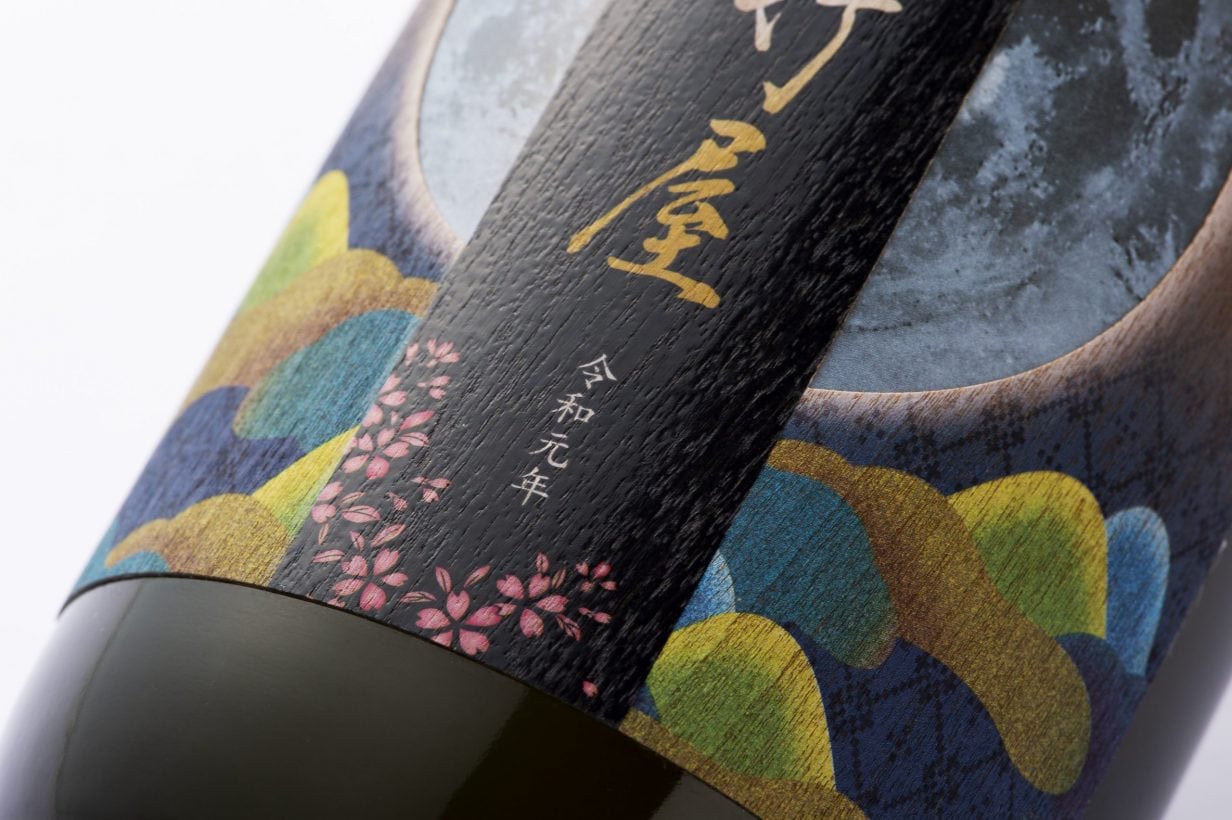
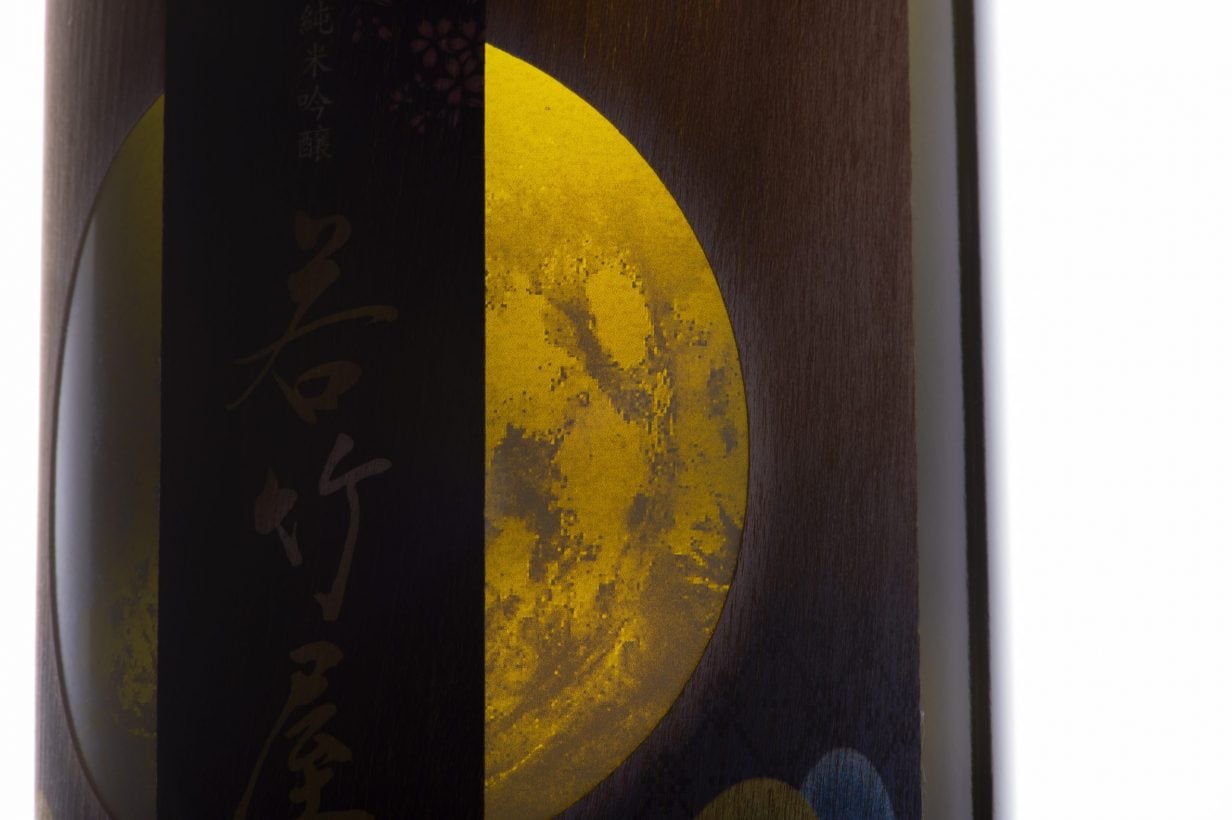
Kouji amazake label / Arrows International, Inc.


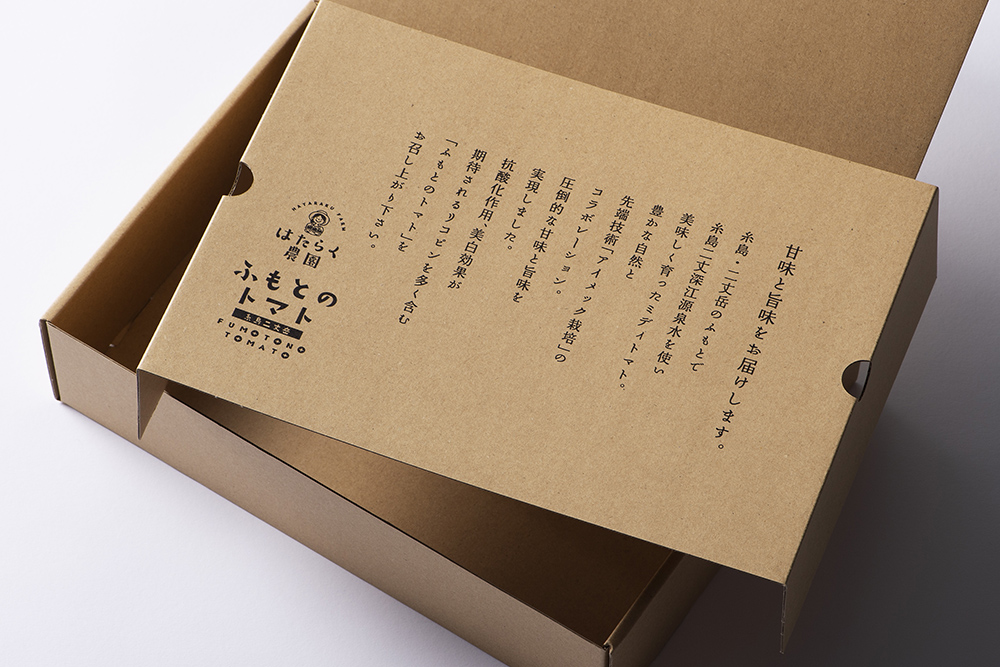
Branding of Itoshima tomatoes / Mr. Saikai
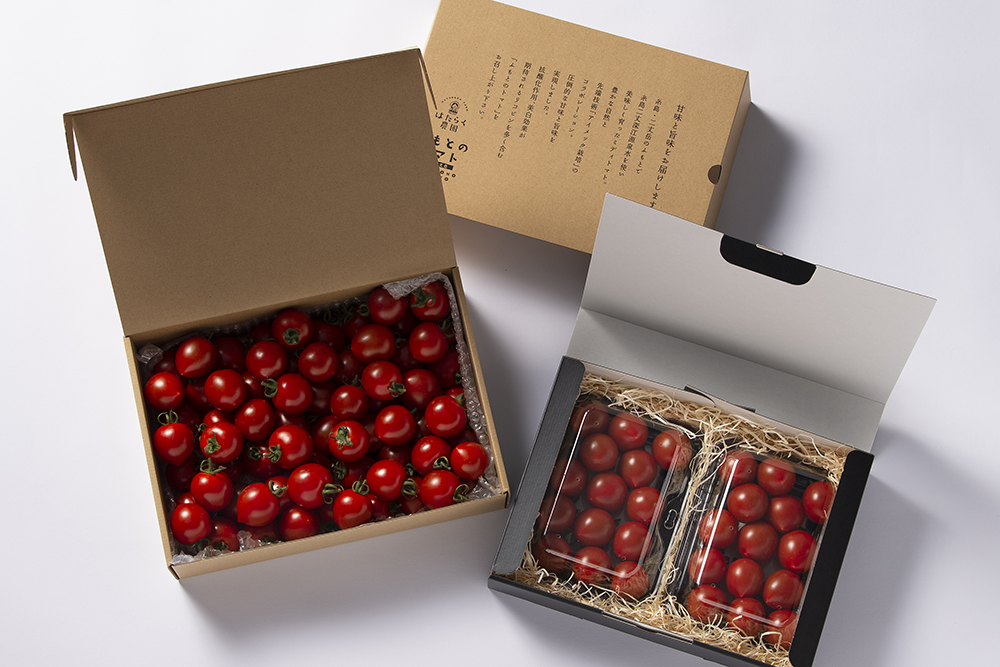
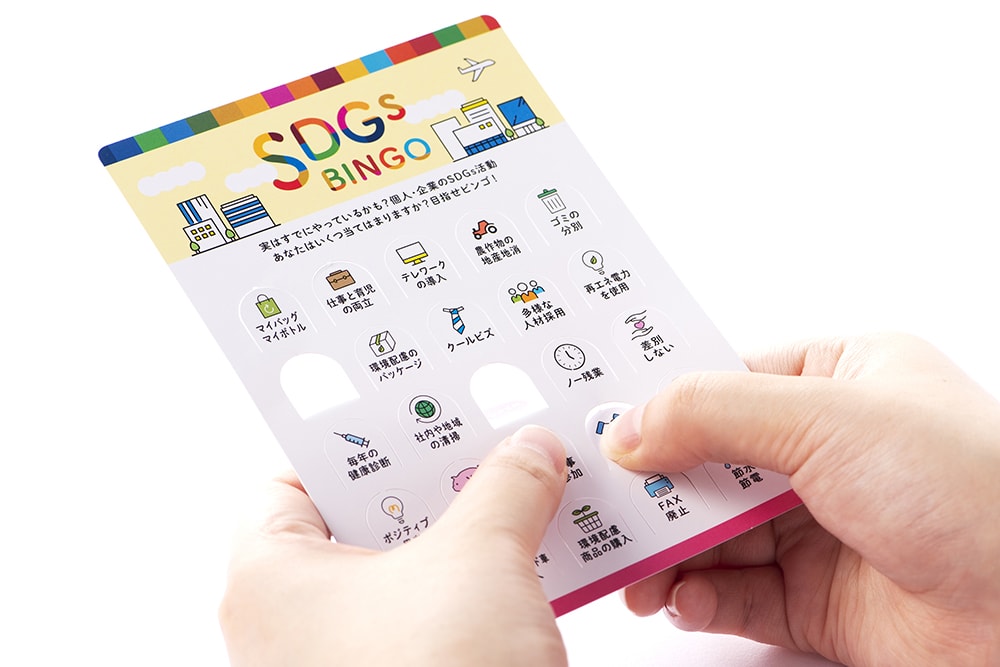
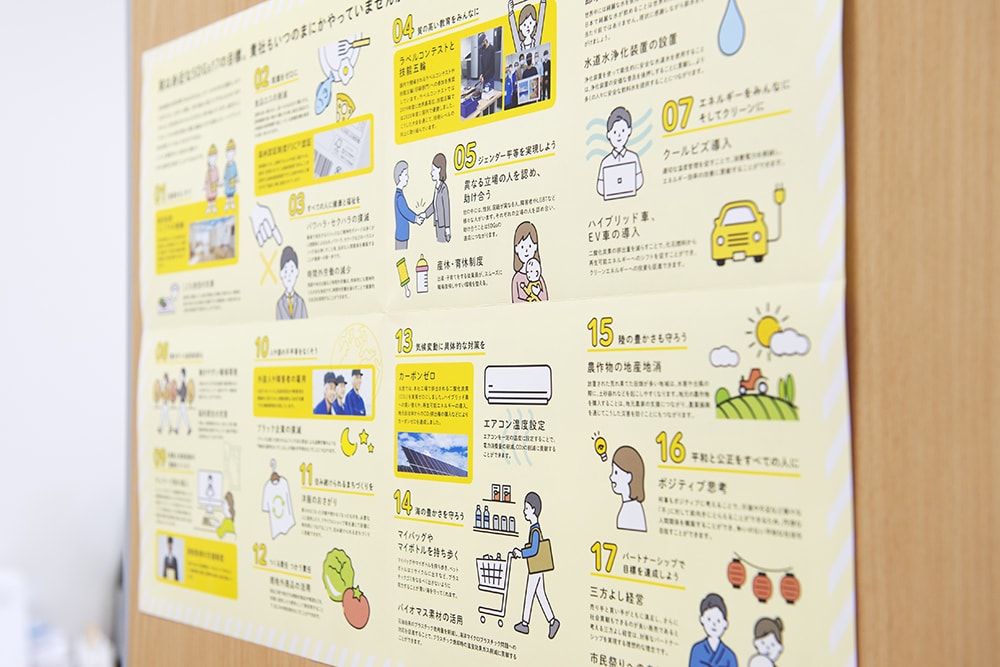
SDGs for the Future of the Earth DM/Marushin
Easy♪ Asian Table" series bags / Mr. Higashino Takumi


Since the product is easy and simple to prepare for busy housewives, the packaging includes photos of example dishes served on rice or bread. In addition, the illustrations depict women dressed in ethnic costumes from different Asian countries: keema curry, taco rice, and giao pao.
Card DM that pops up in three dimensions / Marushin
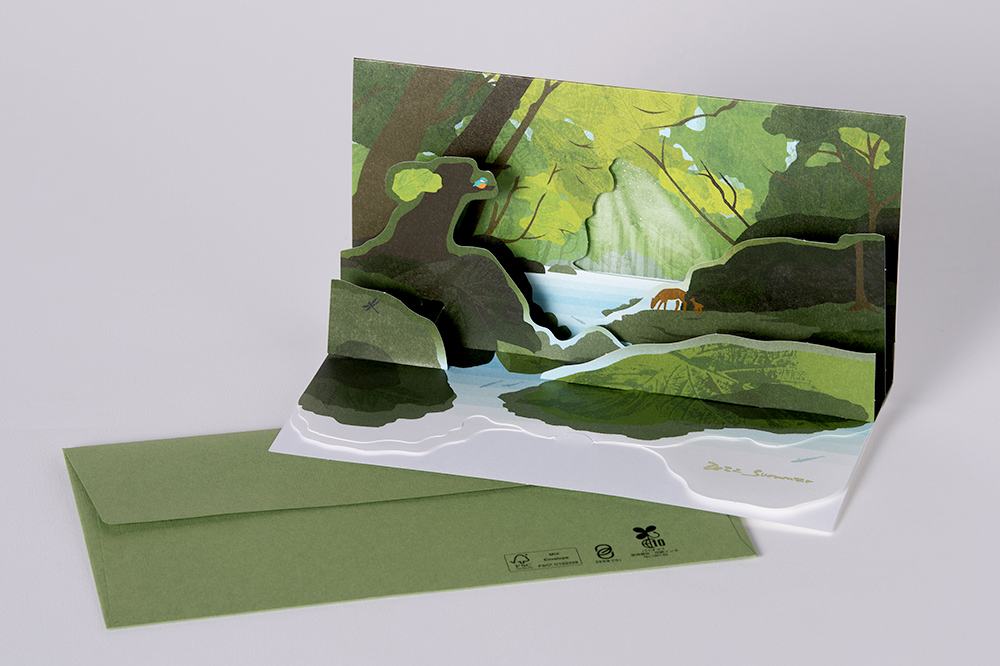

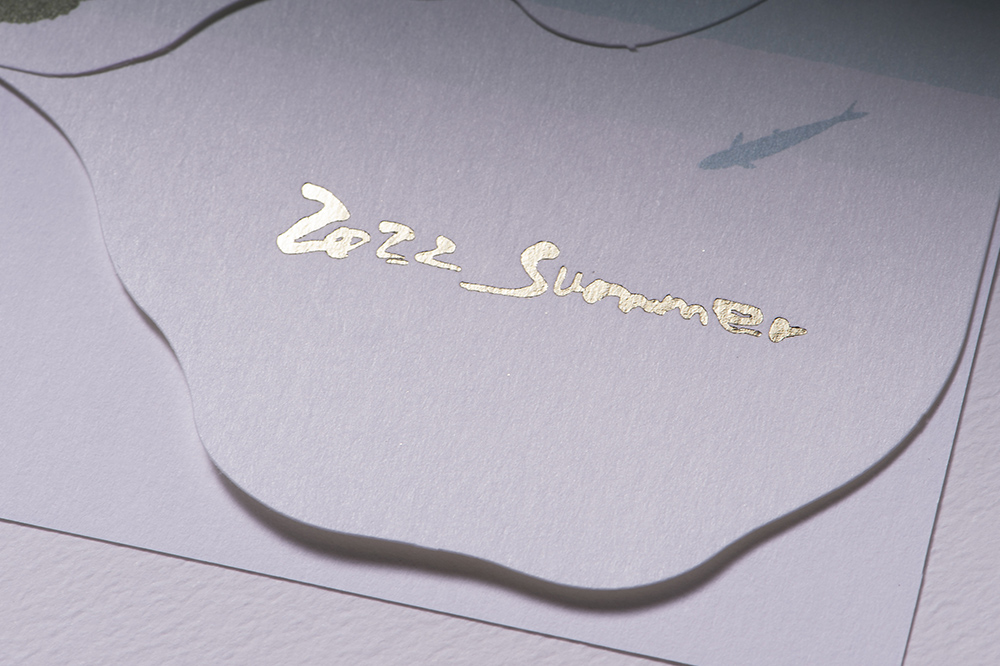
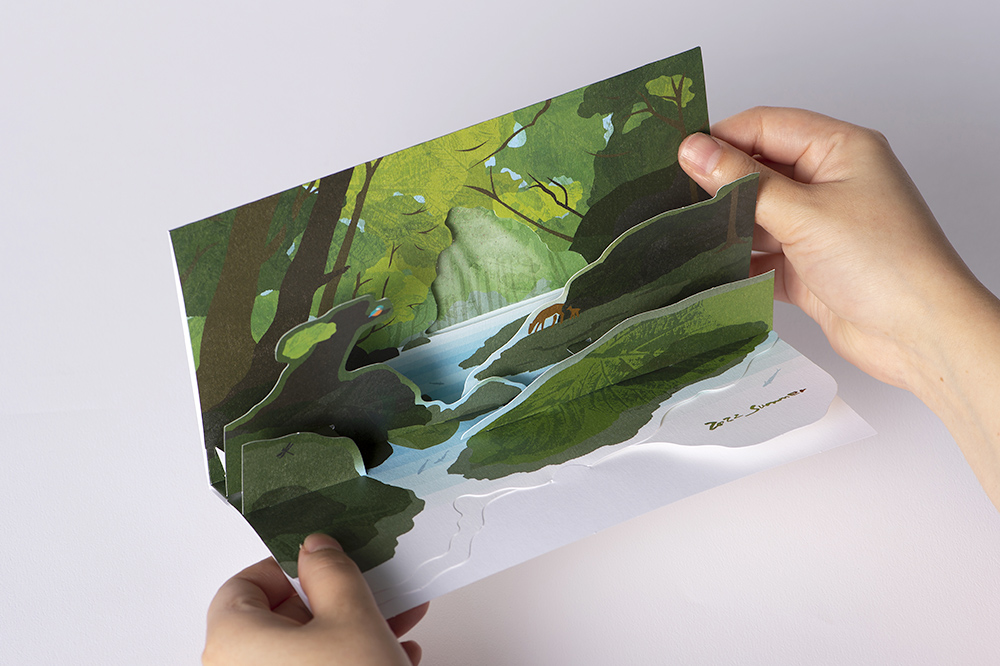
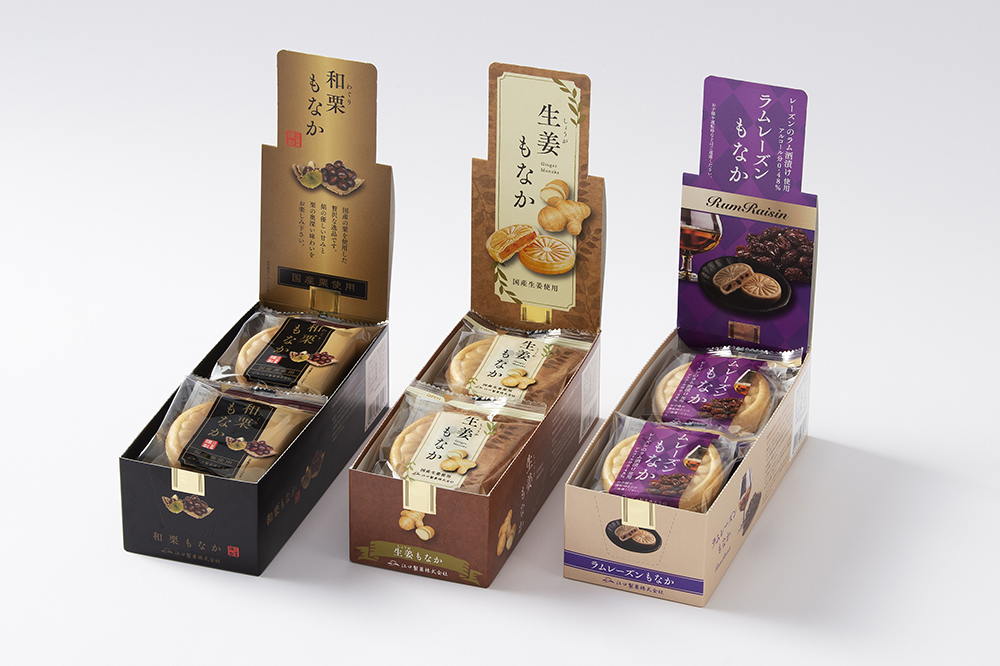
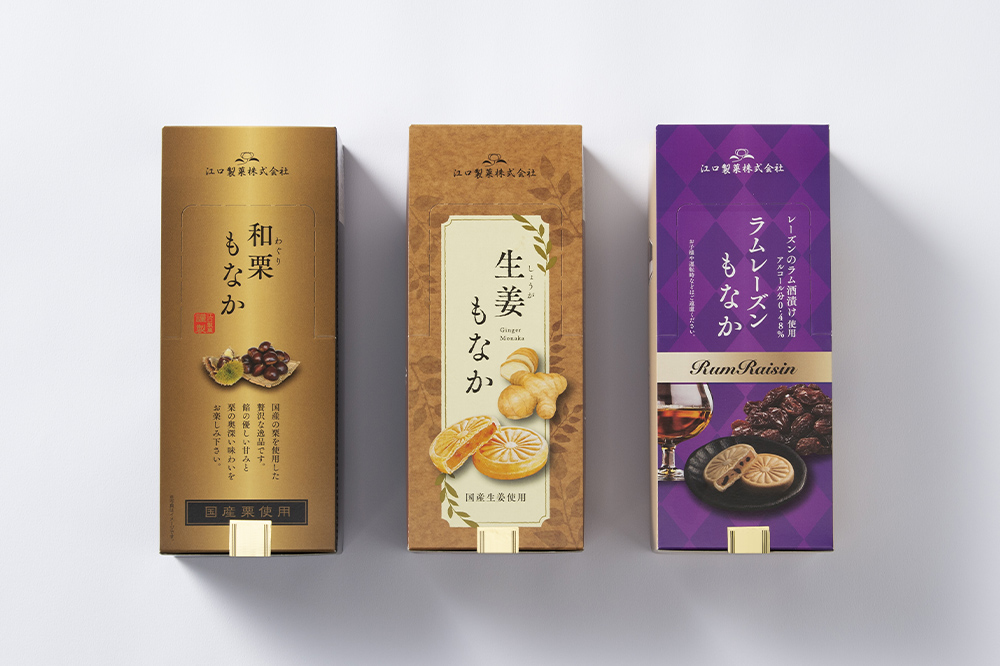
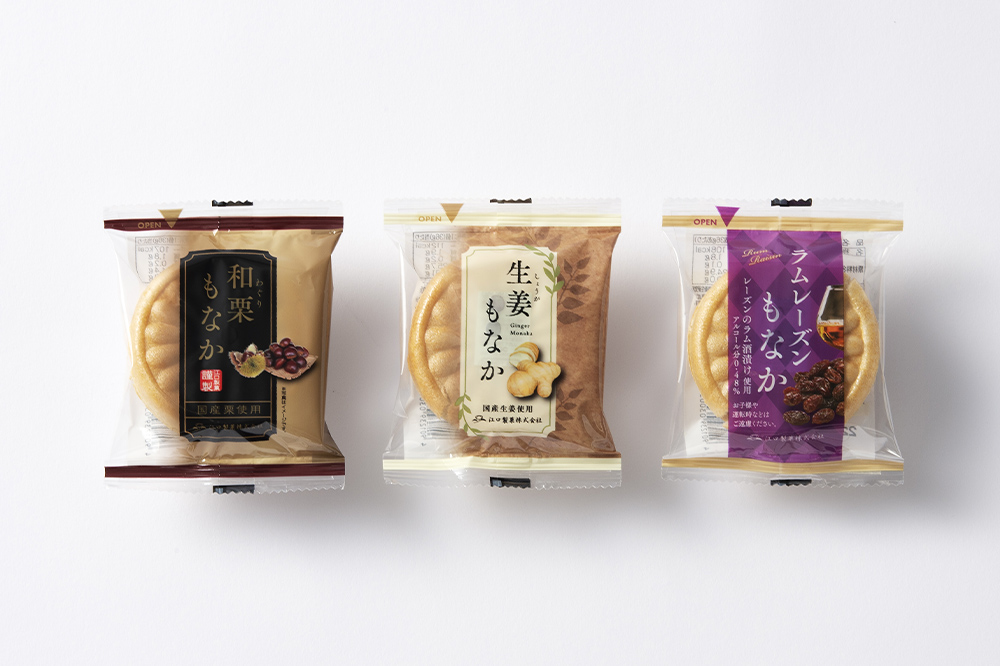
Package and bag for display / Eguchi Confectionery
Branding Video / Three Generations of Okawa
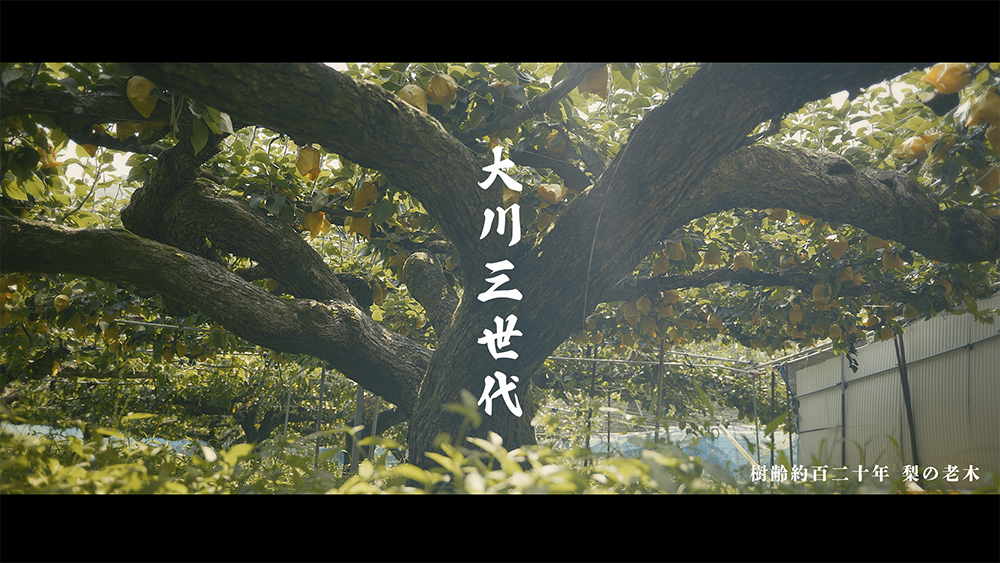
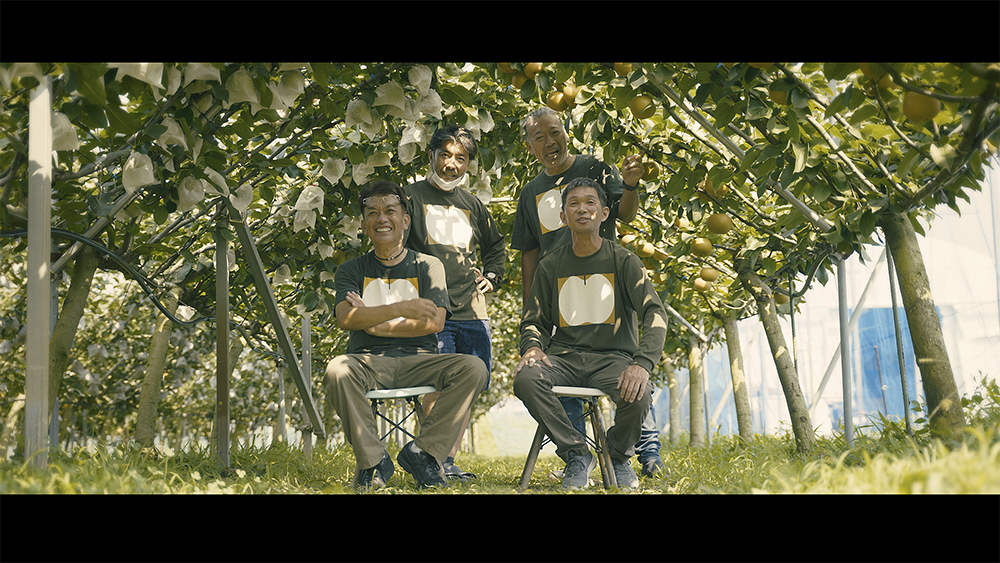
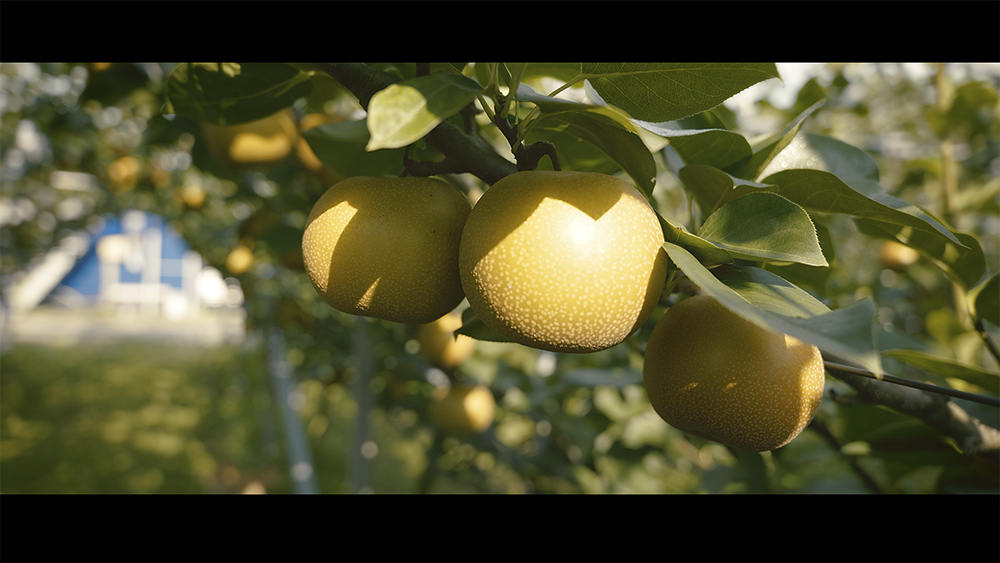
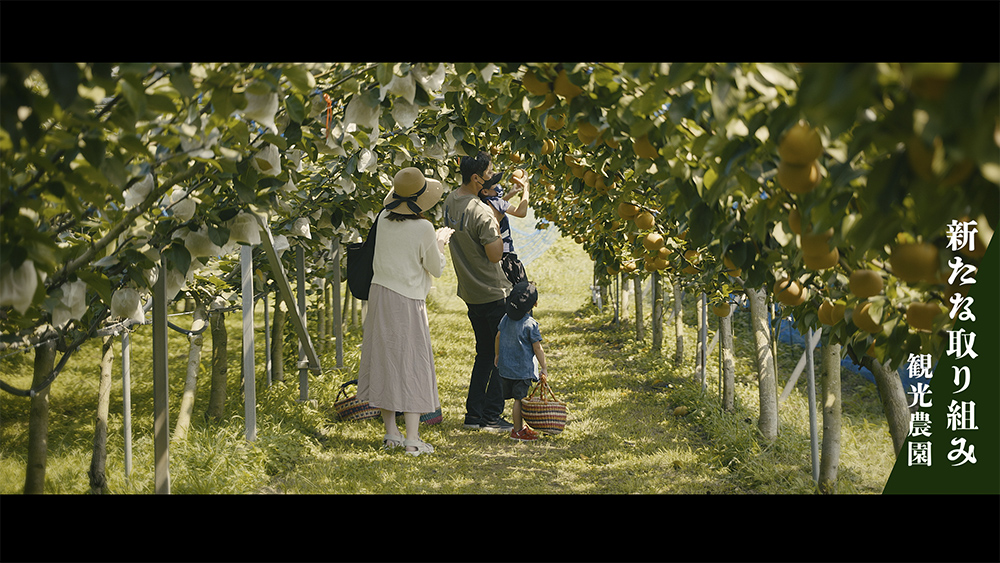
Three Generations of Okawa: Click here to watch the branding and company introduction video (youtube)
Digital Signage / Marushin
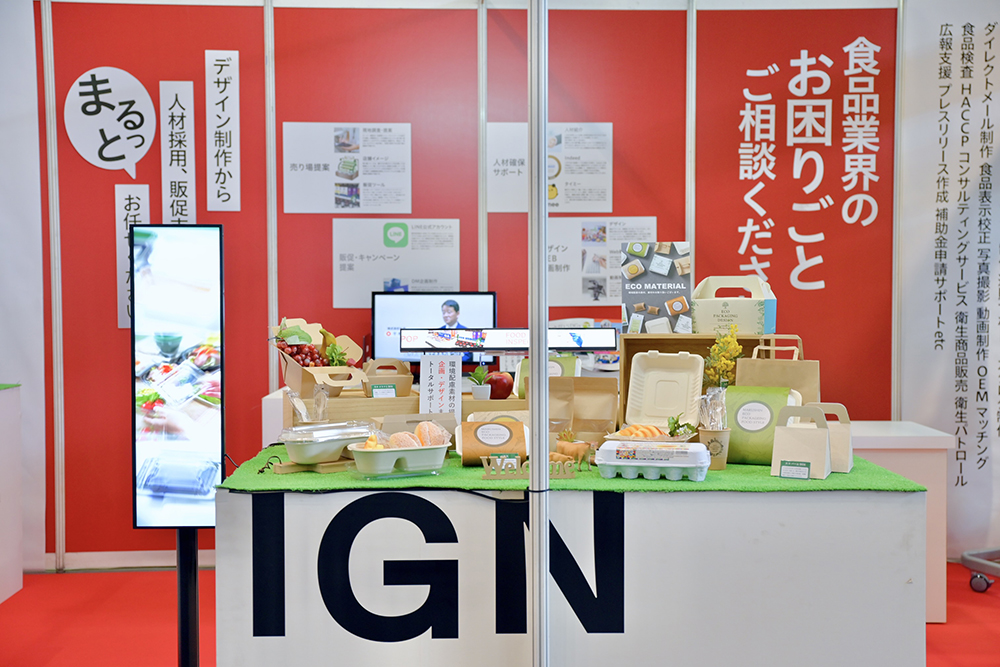
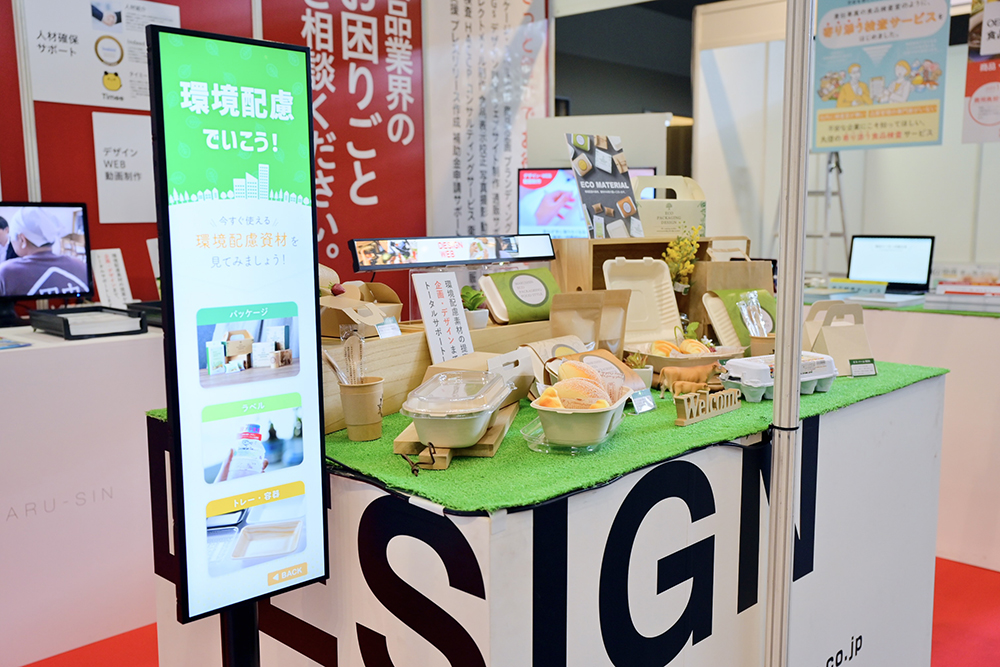
Marushin can create data for videos and slides to be shown on digital signage.
Click here for a video of digital signage (youtube)
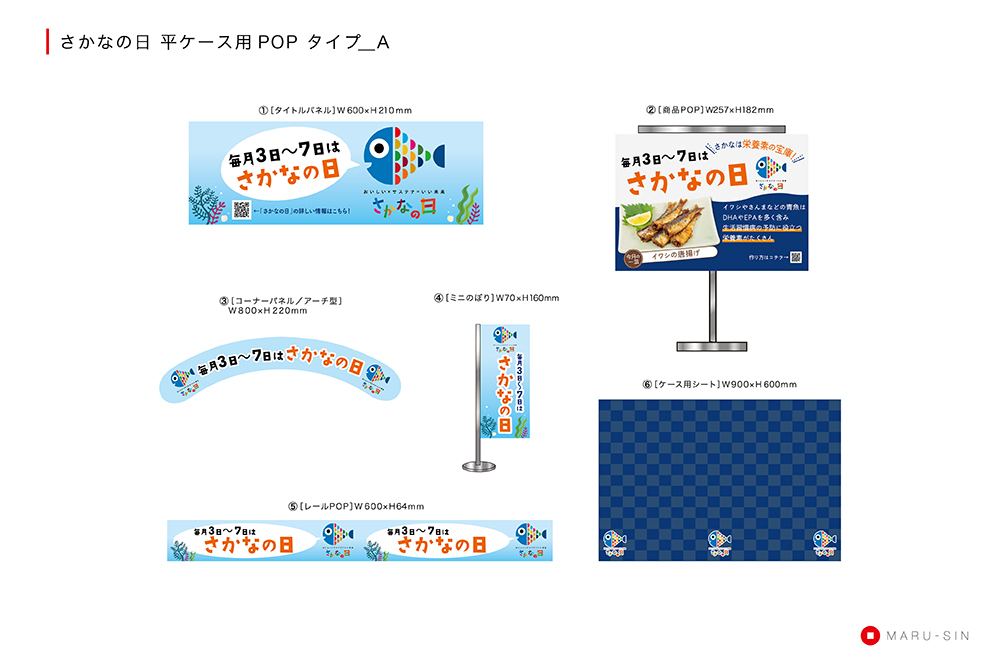
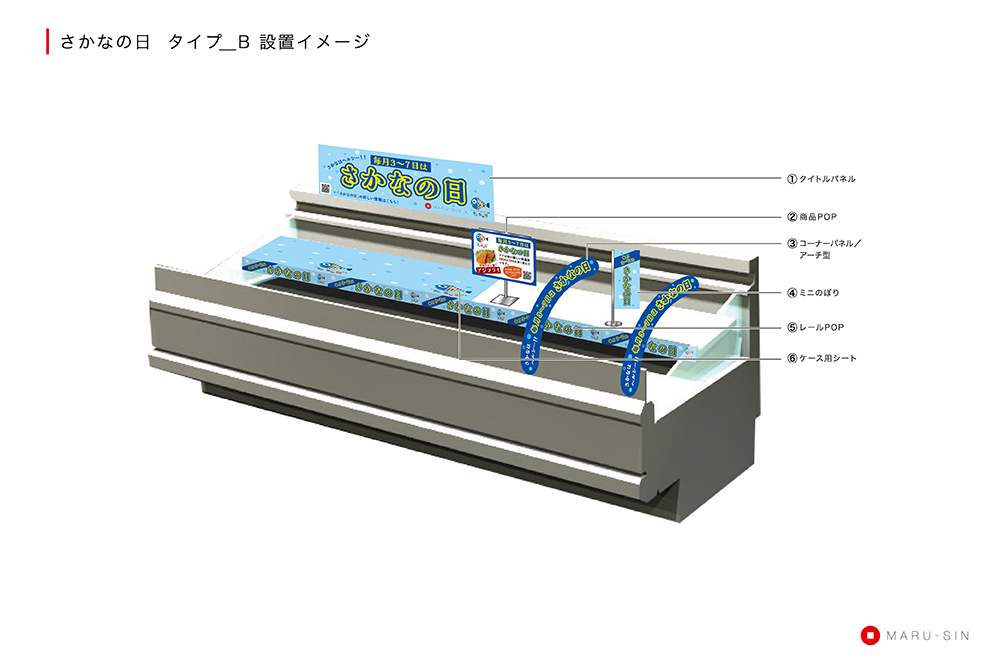
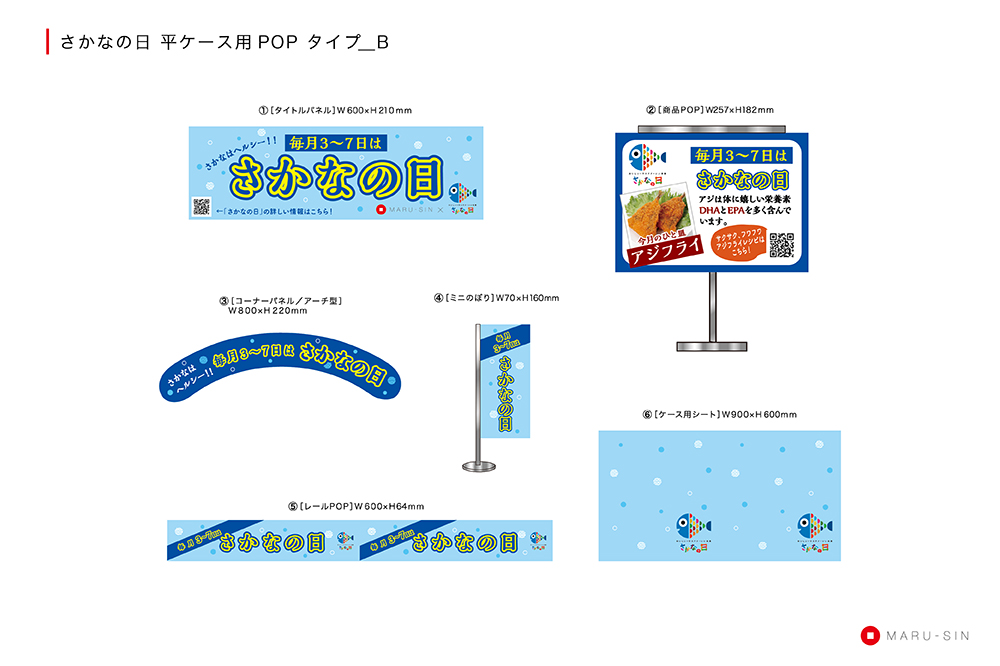
POP image of the sales floor for "Sakana no Hi" (Fish Day) / Marunouchi
Mail order related materials / Fujichiku Co.
Introduction Video of the Museum / Hita Soy Sauce
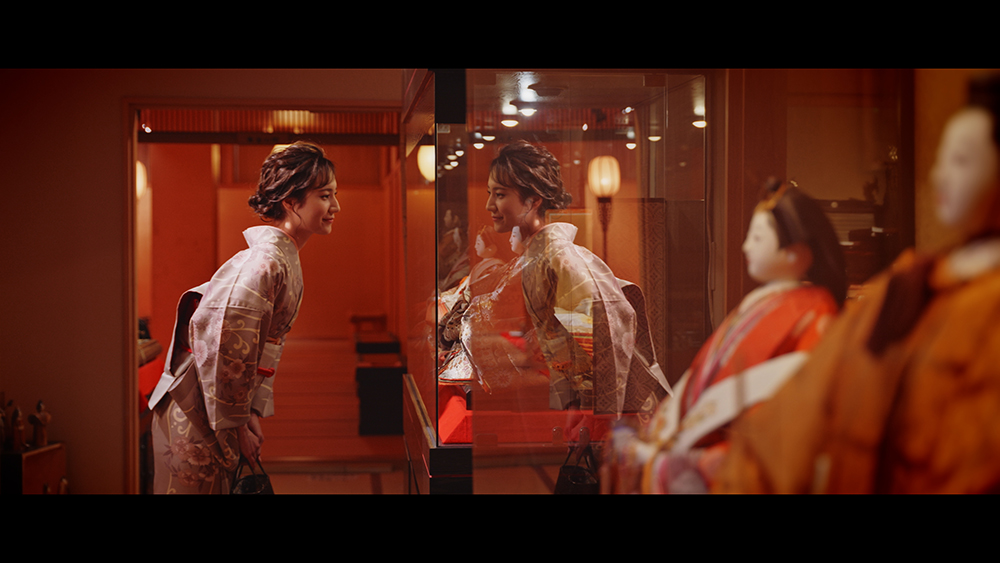
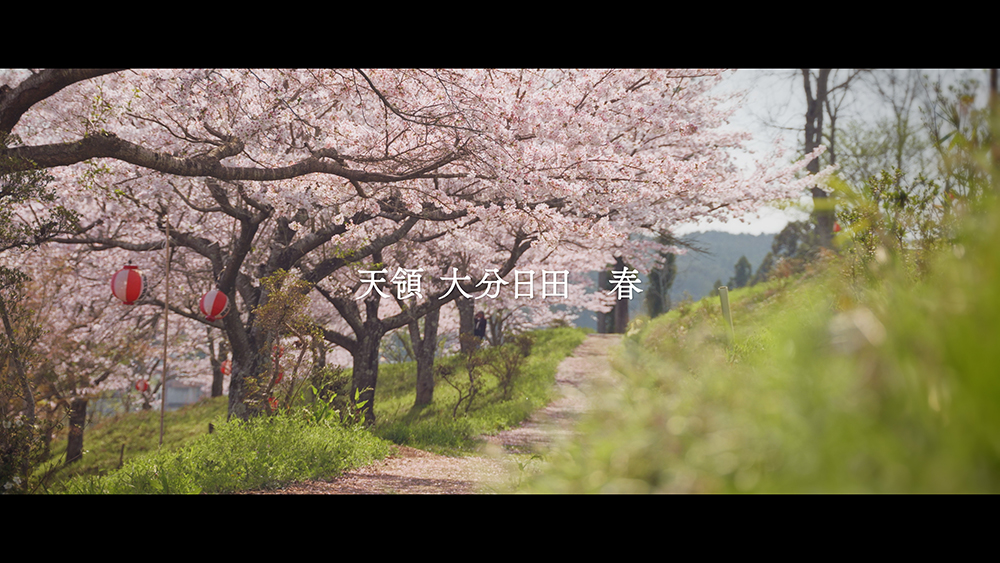
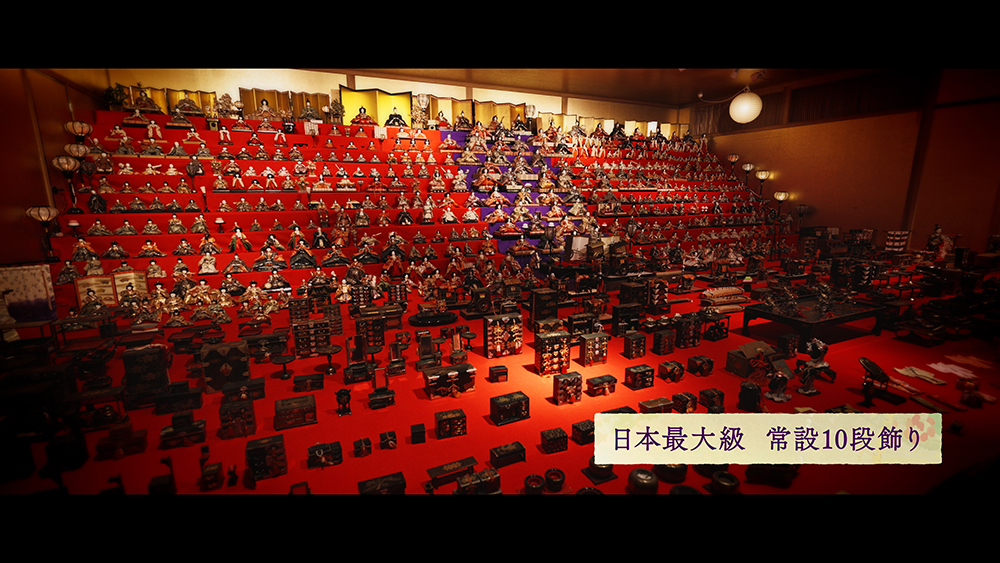
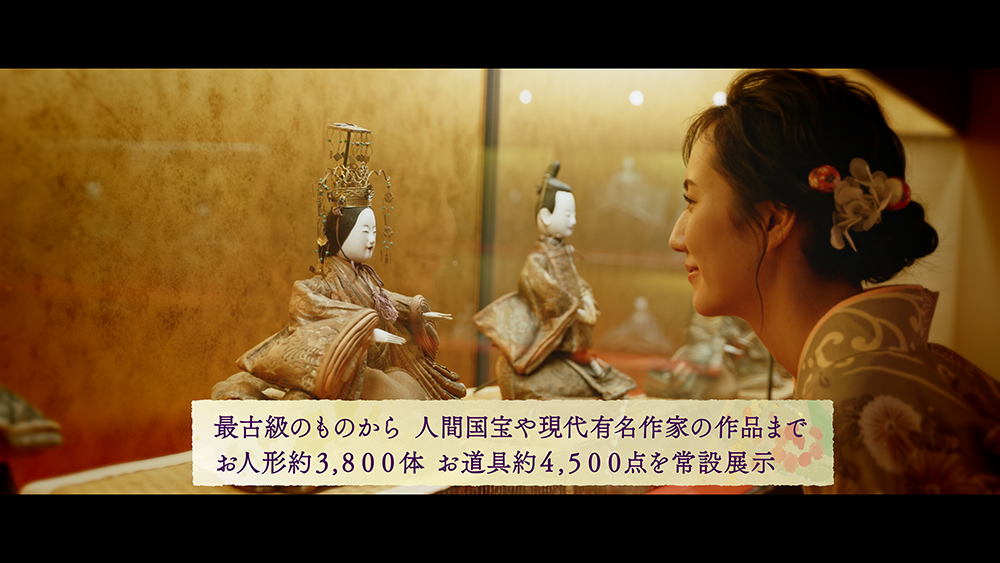
Click here for video (youtube)
Summer Festival Event Tools / Marushin
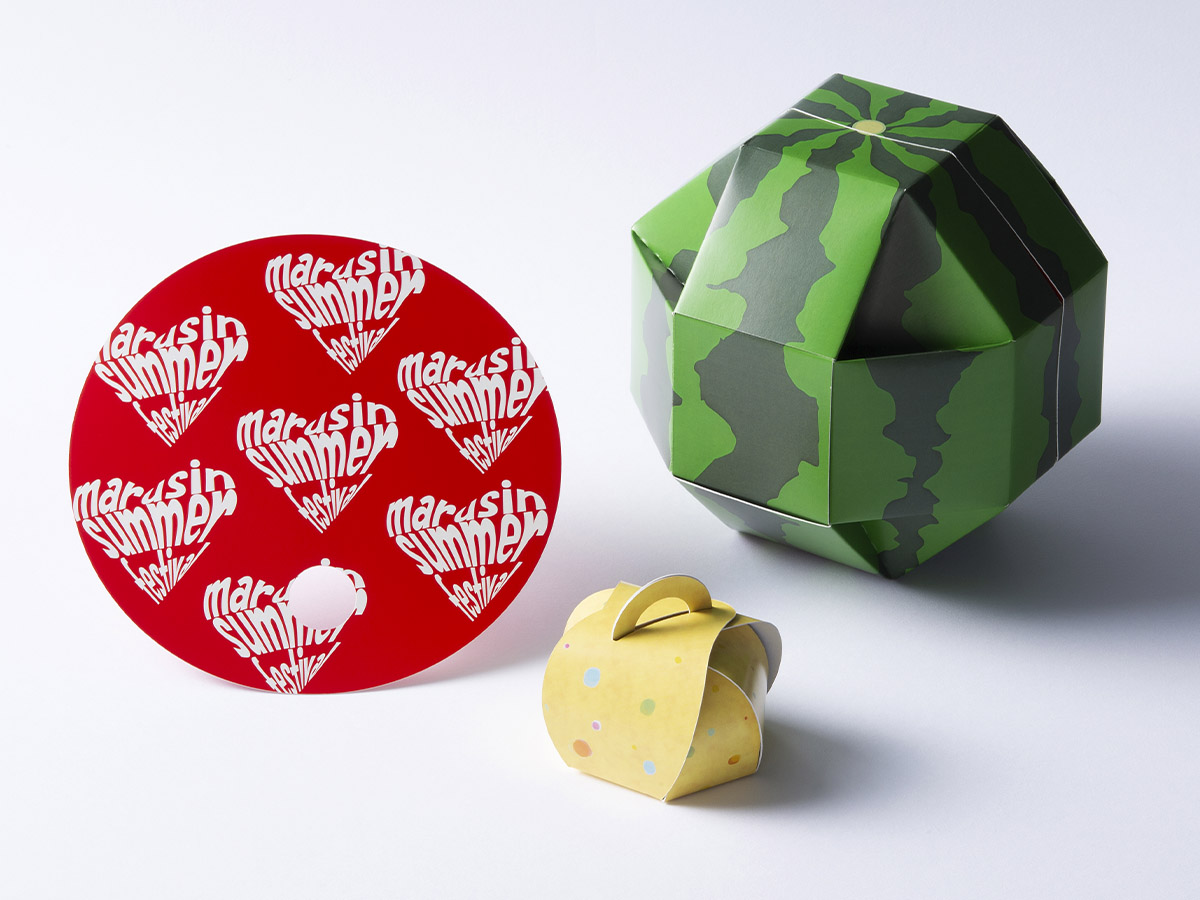
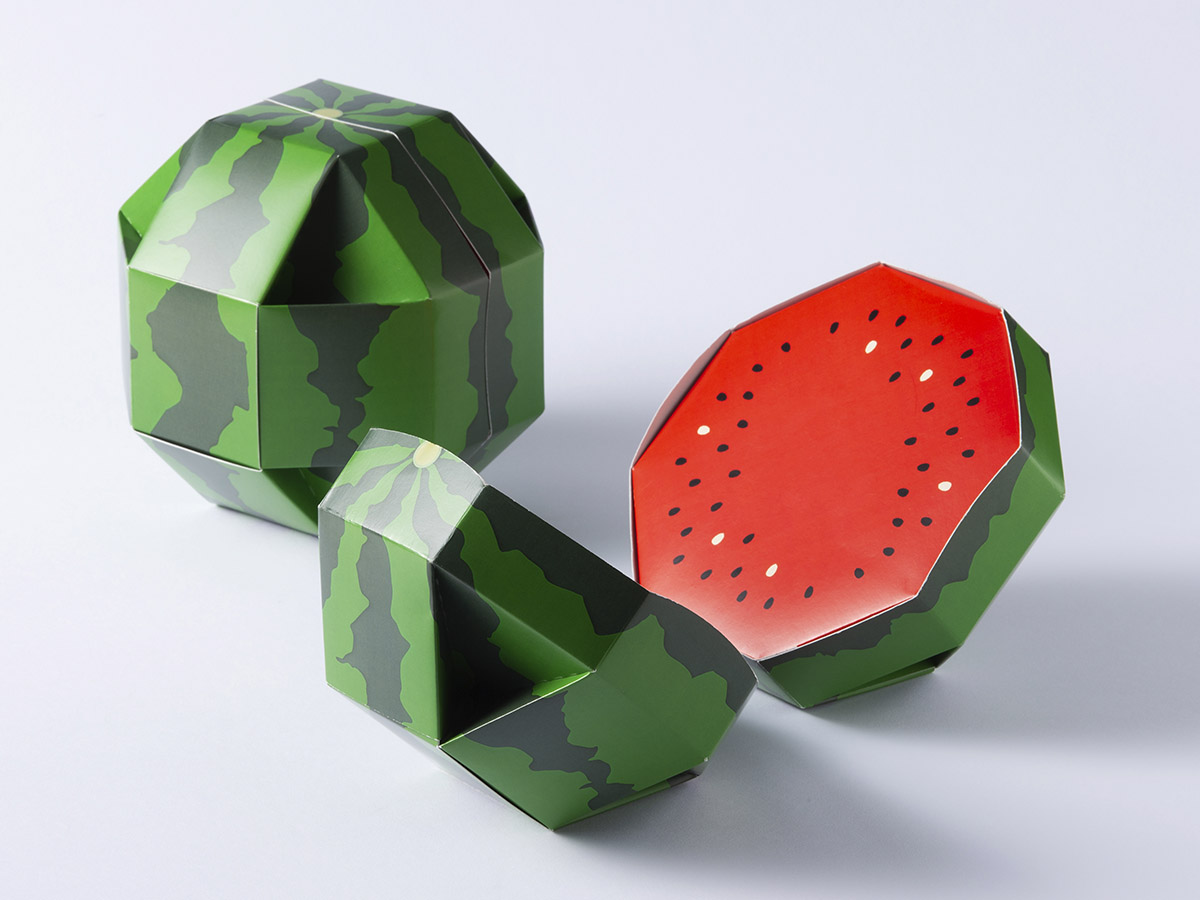
Designed to open upon impact, as in the original watermelon splitting process.
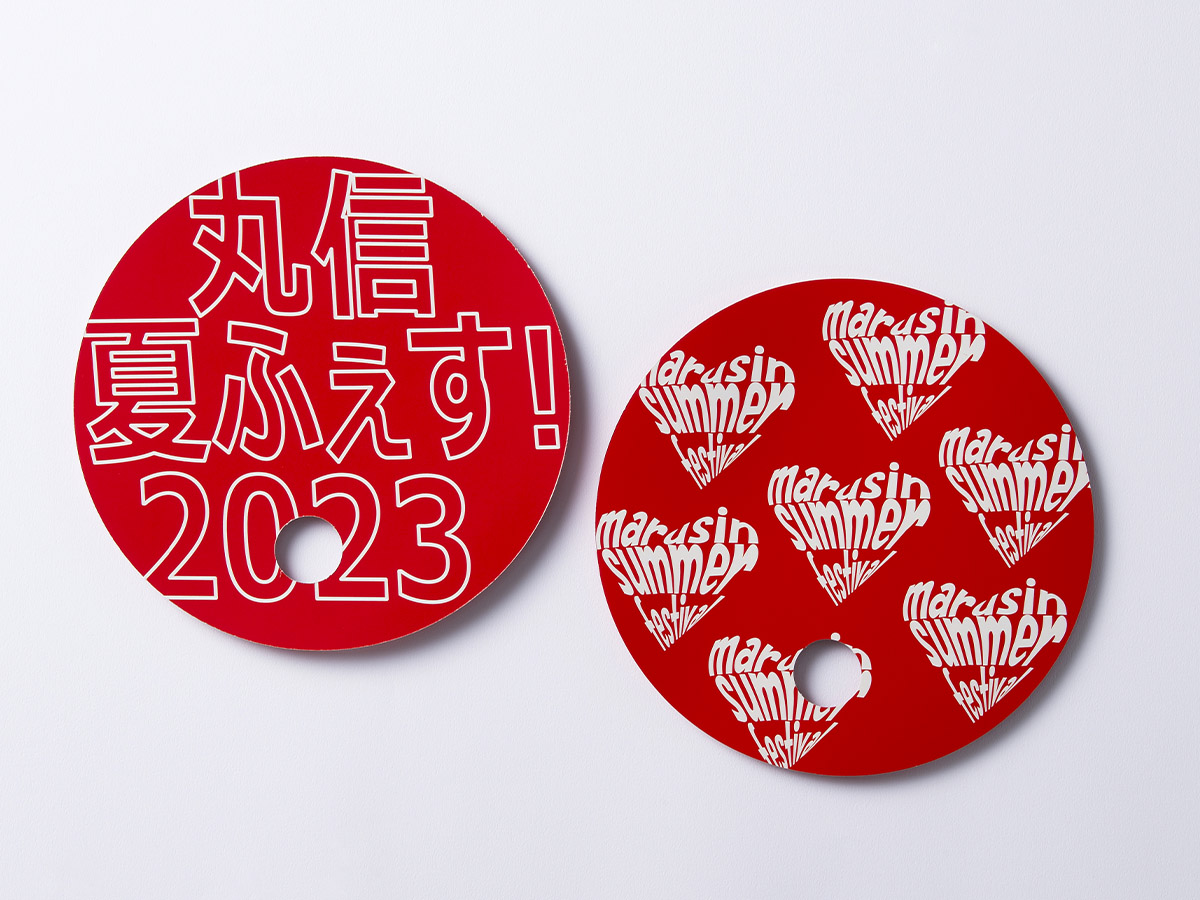
These promotional fans are indispensable for events. Printed on both sides with a cute design, they are a tool that can be held in the hand.
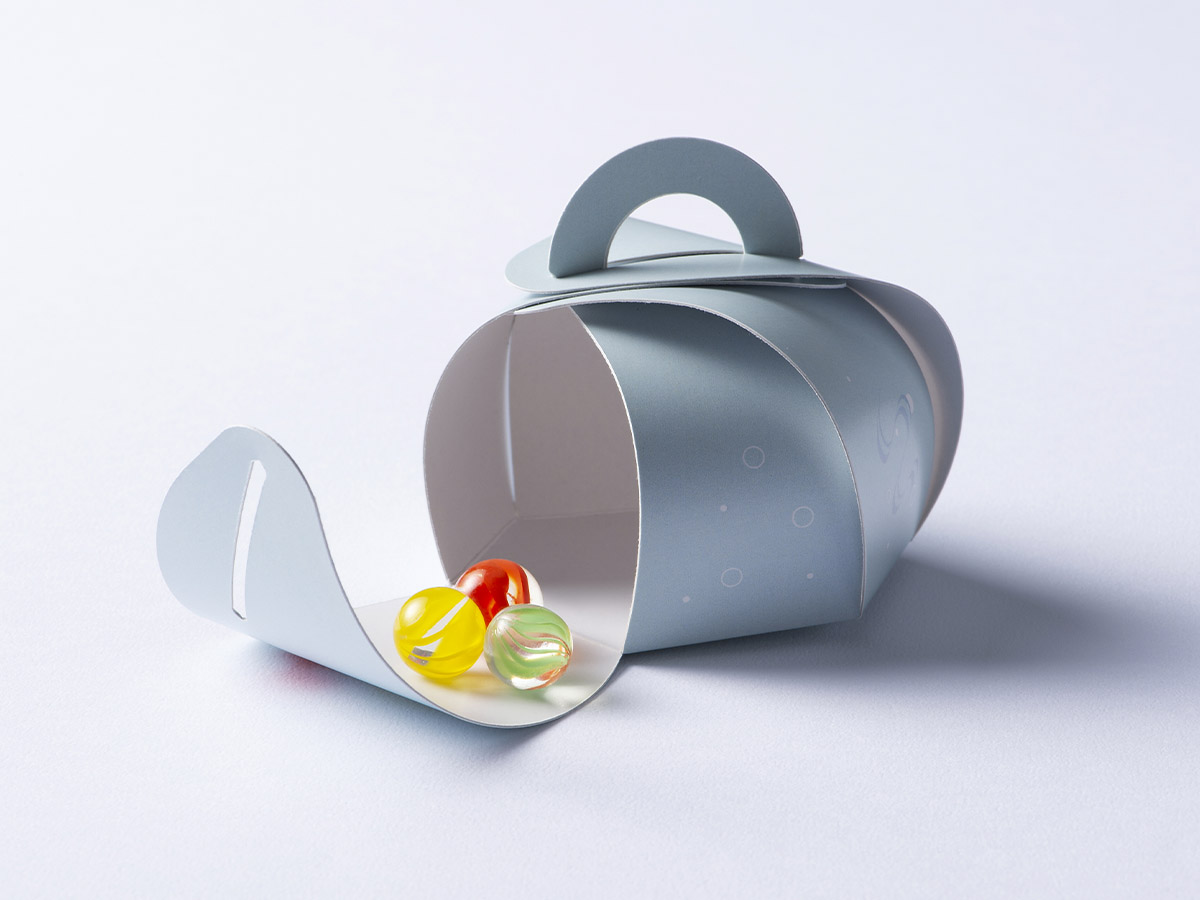
<Environmentally friendly paper yo-yo. The handle is attached with a rubber, and candy can be put inside for fun.
SNS short video / Ushijima Tea Manufacturing Co.
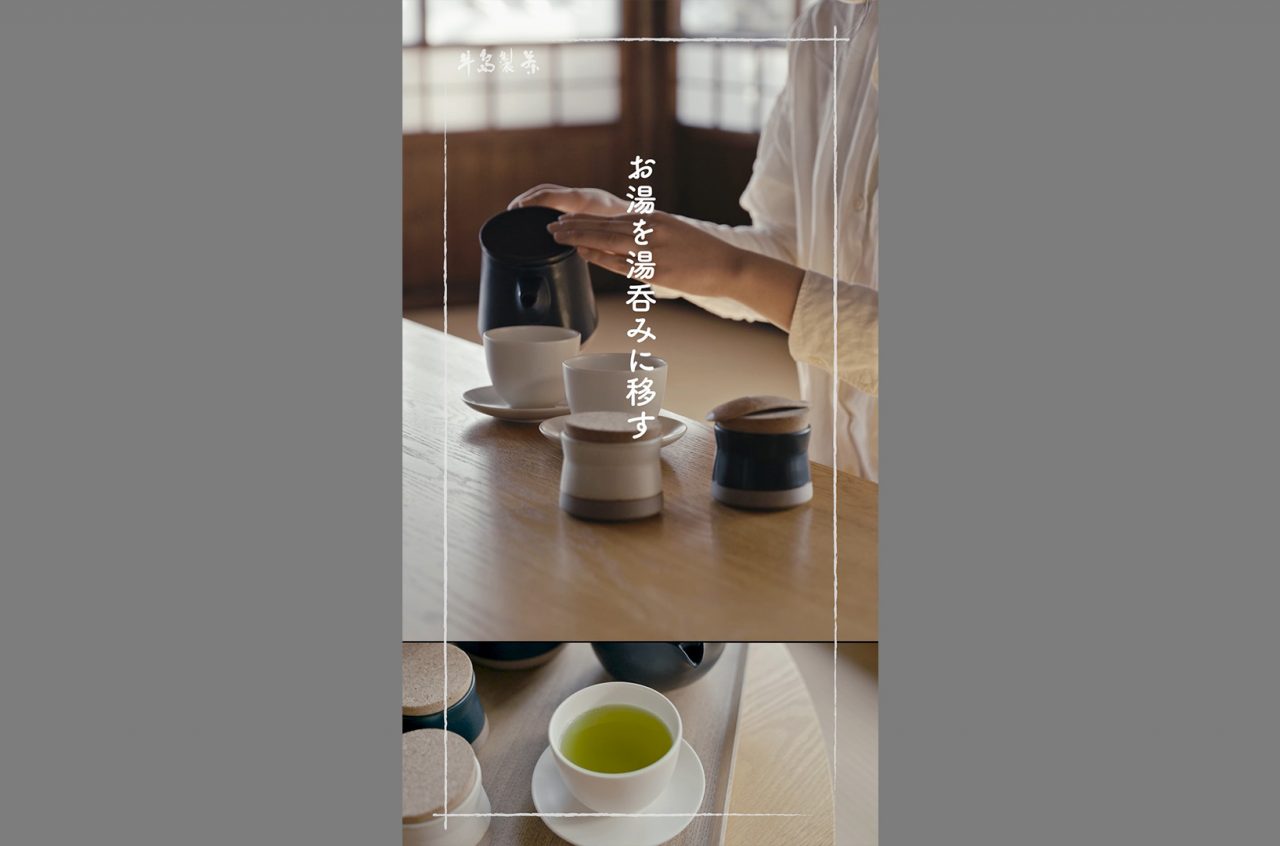
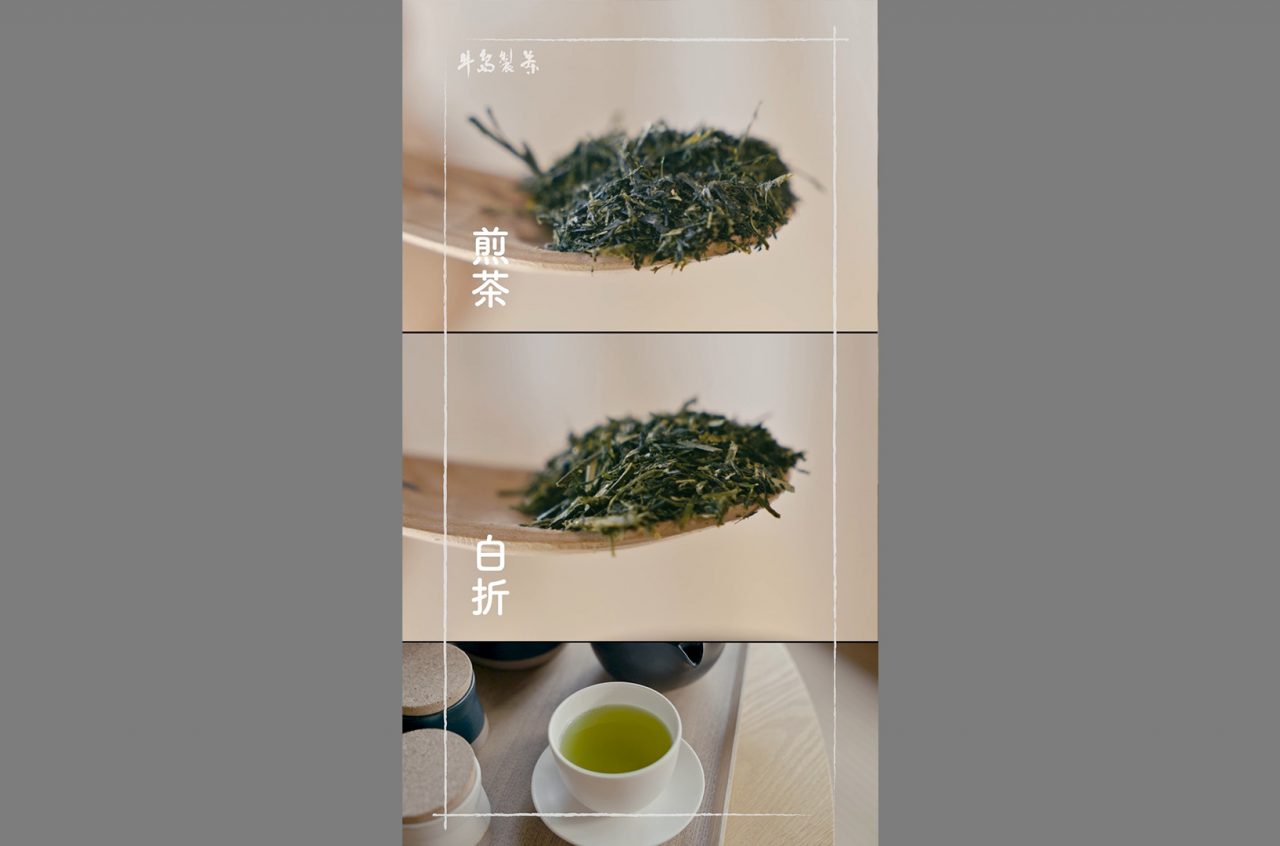
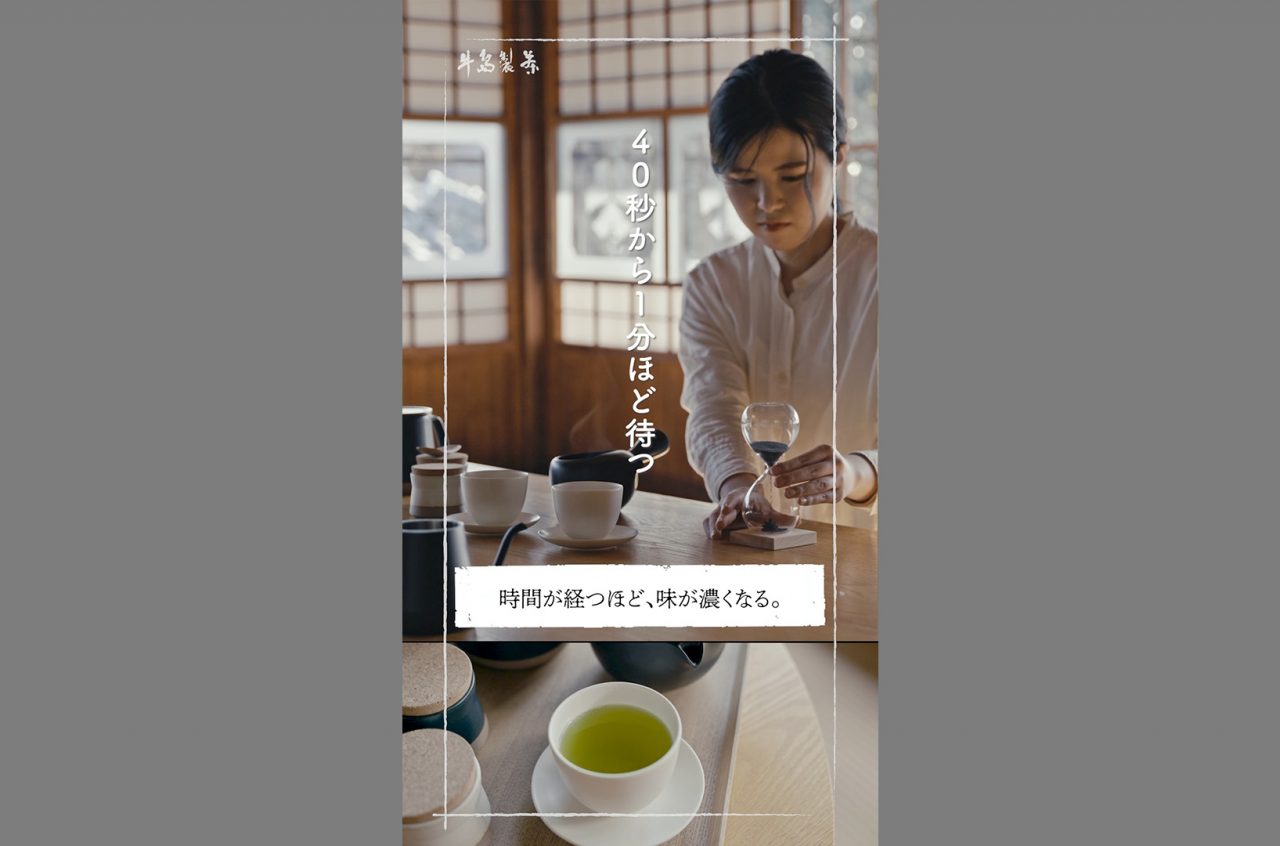
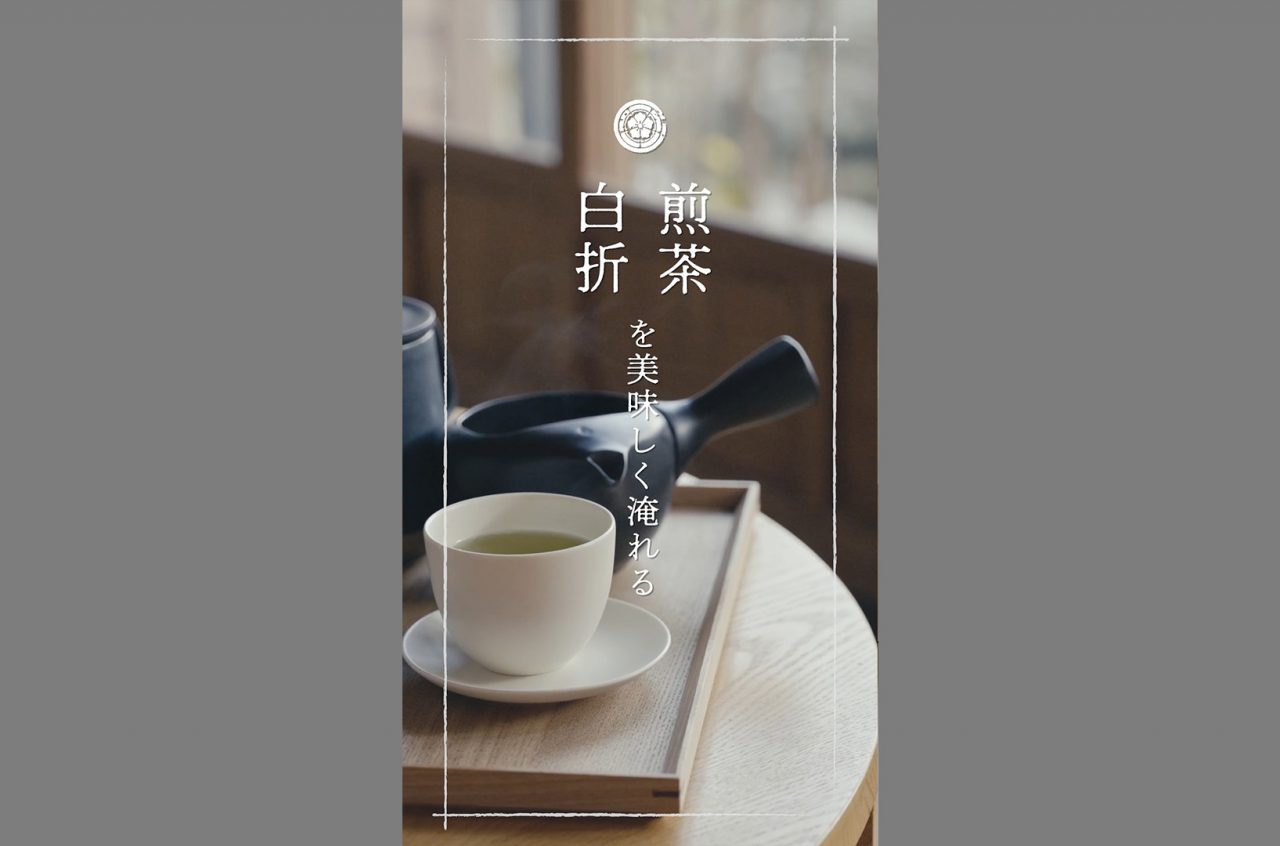
Click here for video (youtube)
Digital Signage Video / Suzakiya
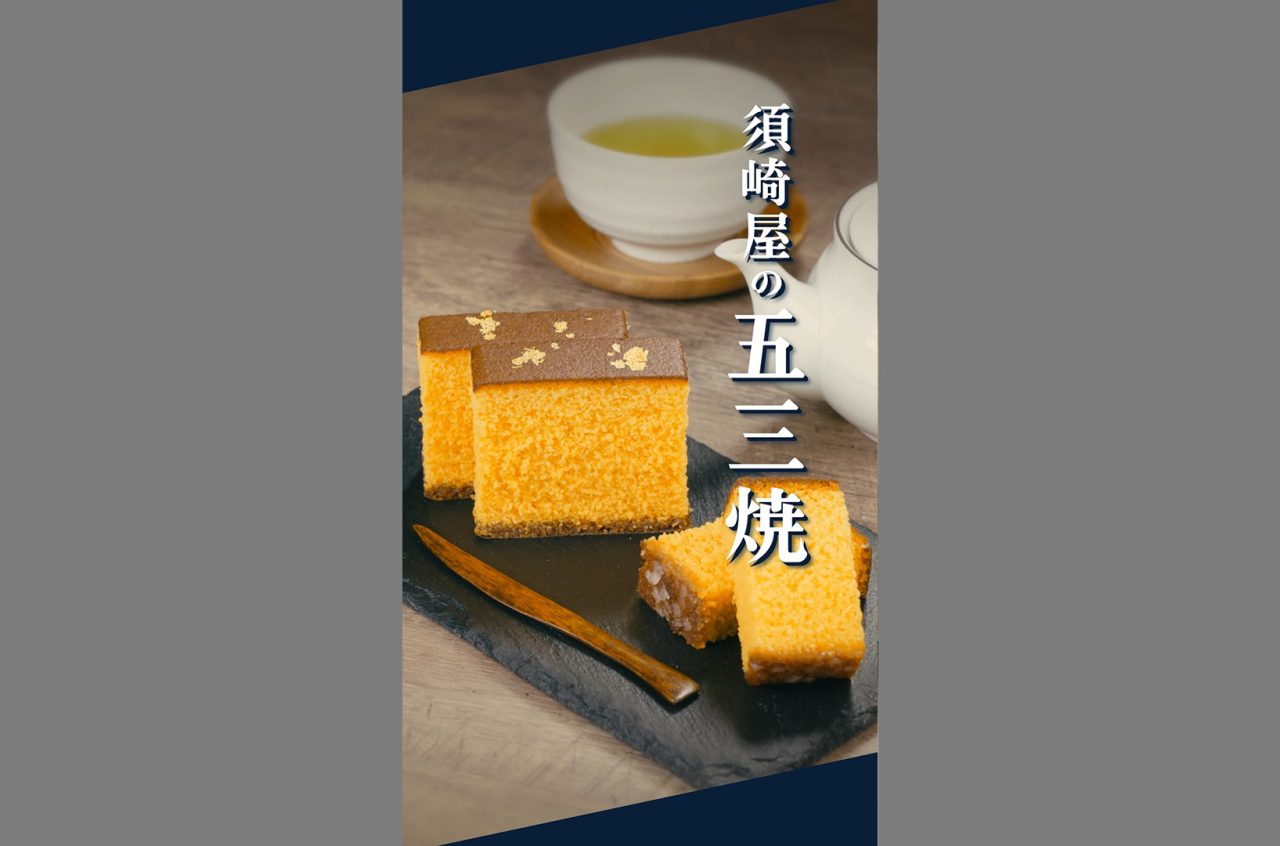
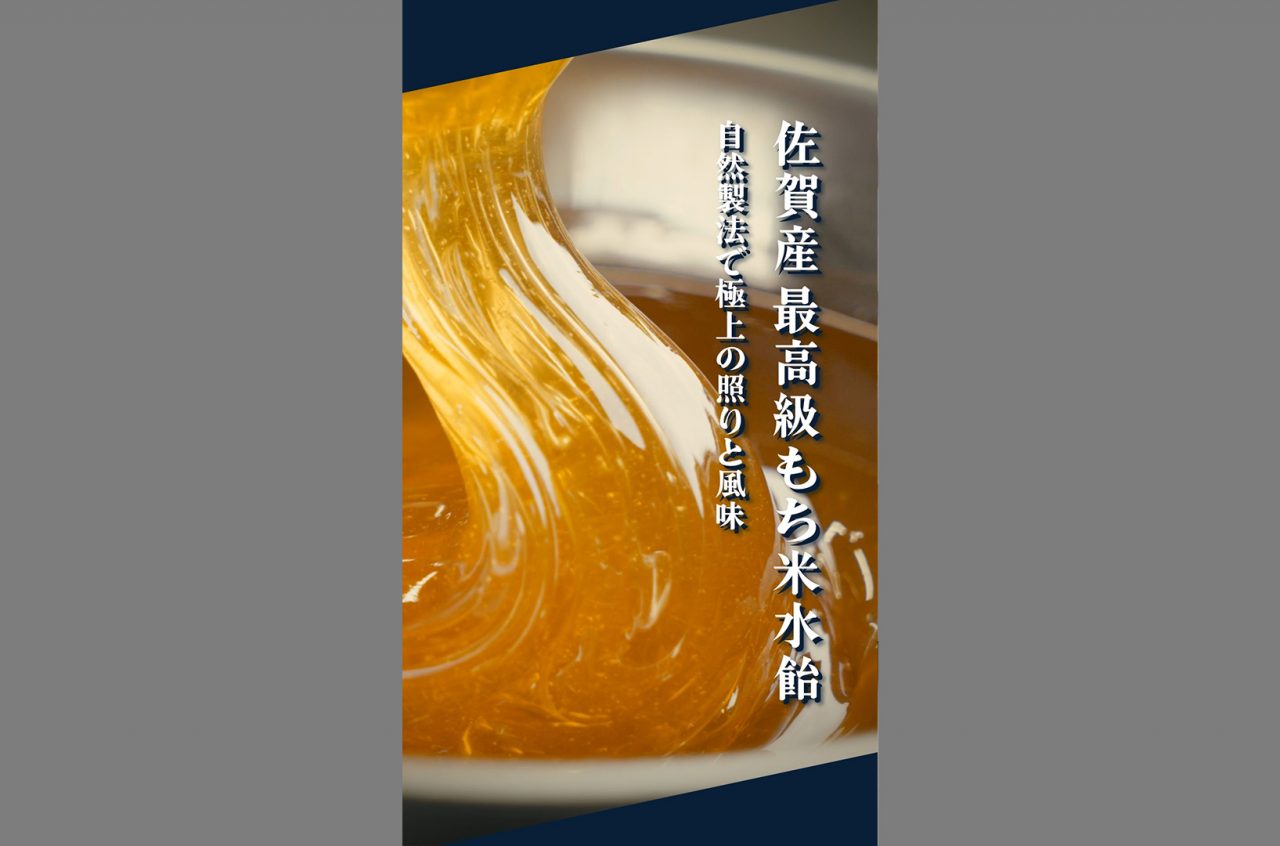
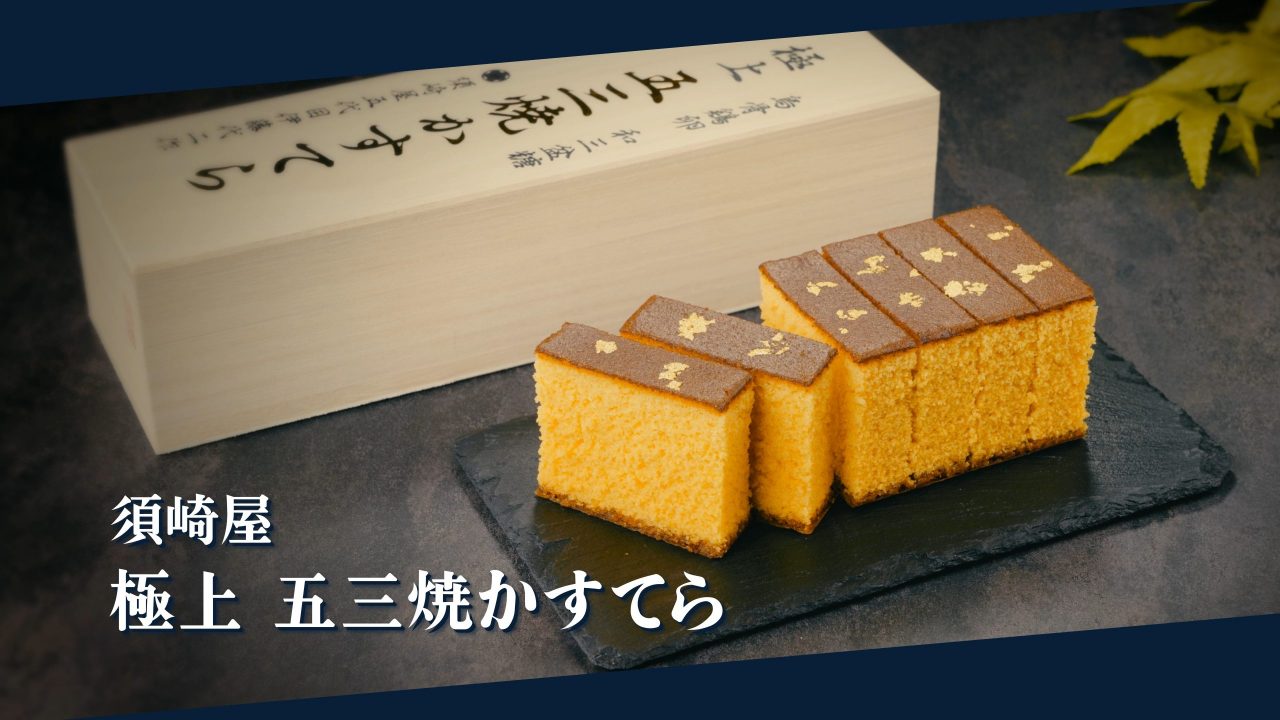
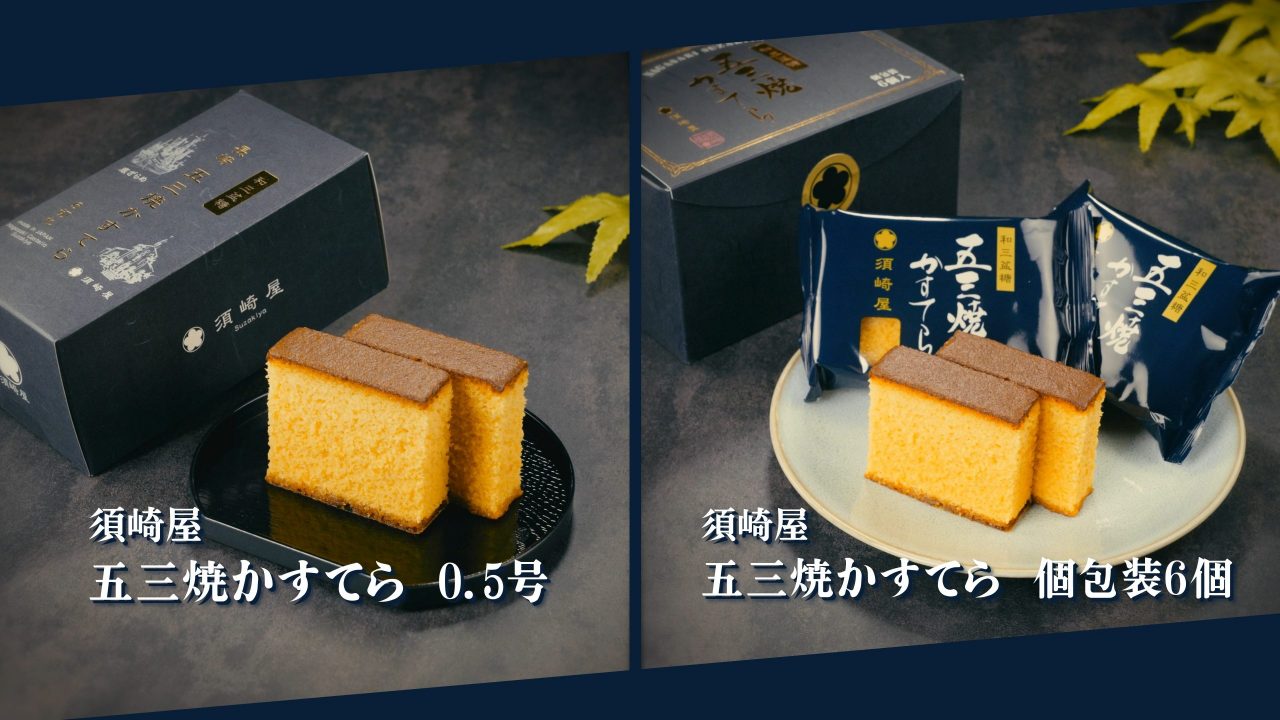
Recipe video / Mr. Weda
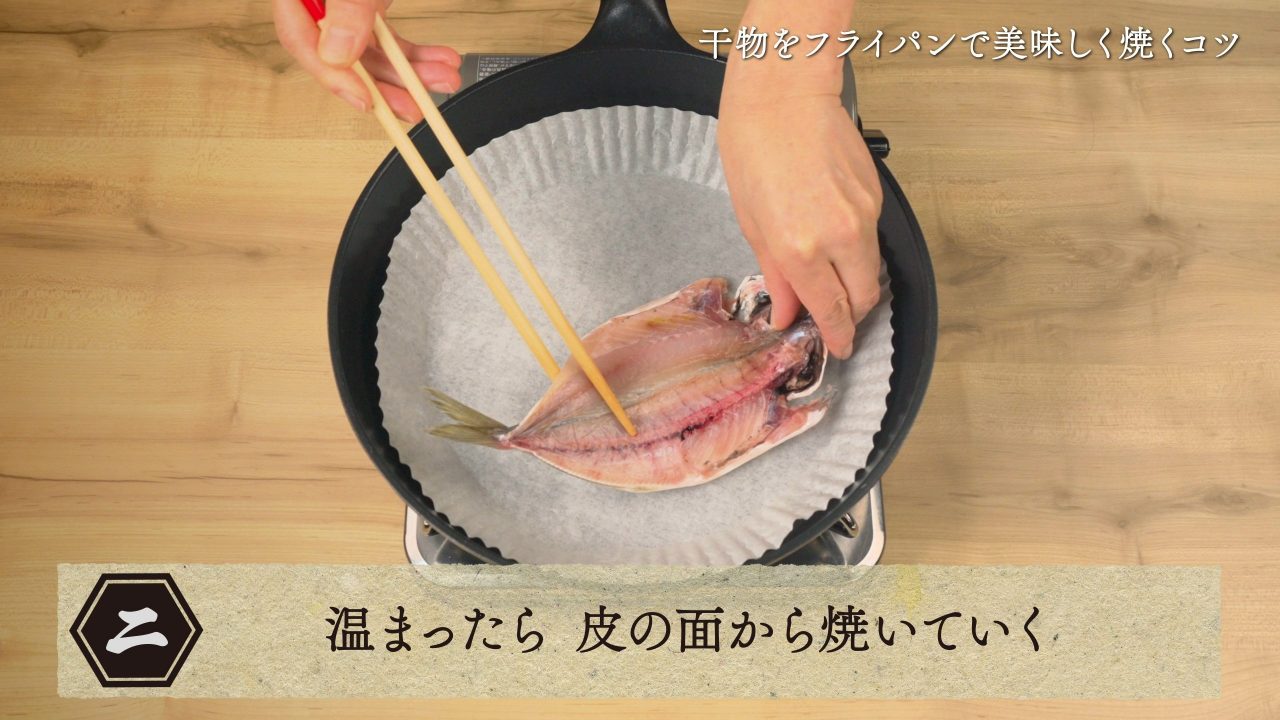
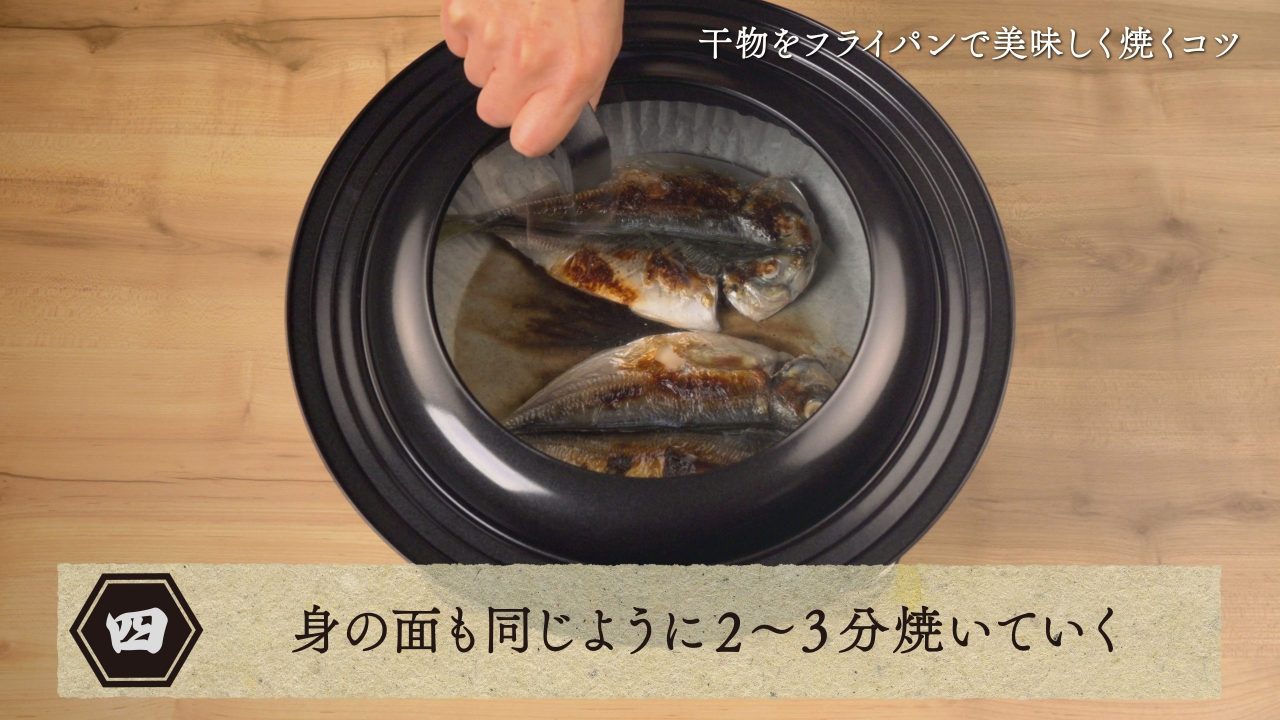
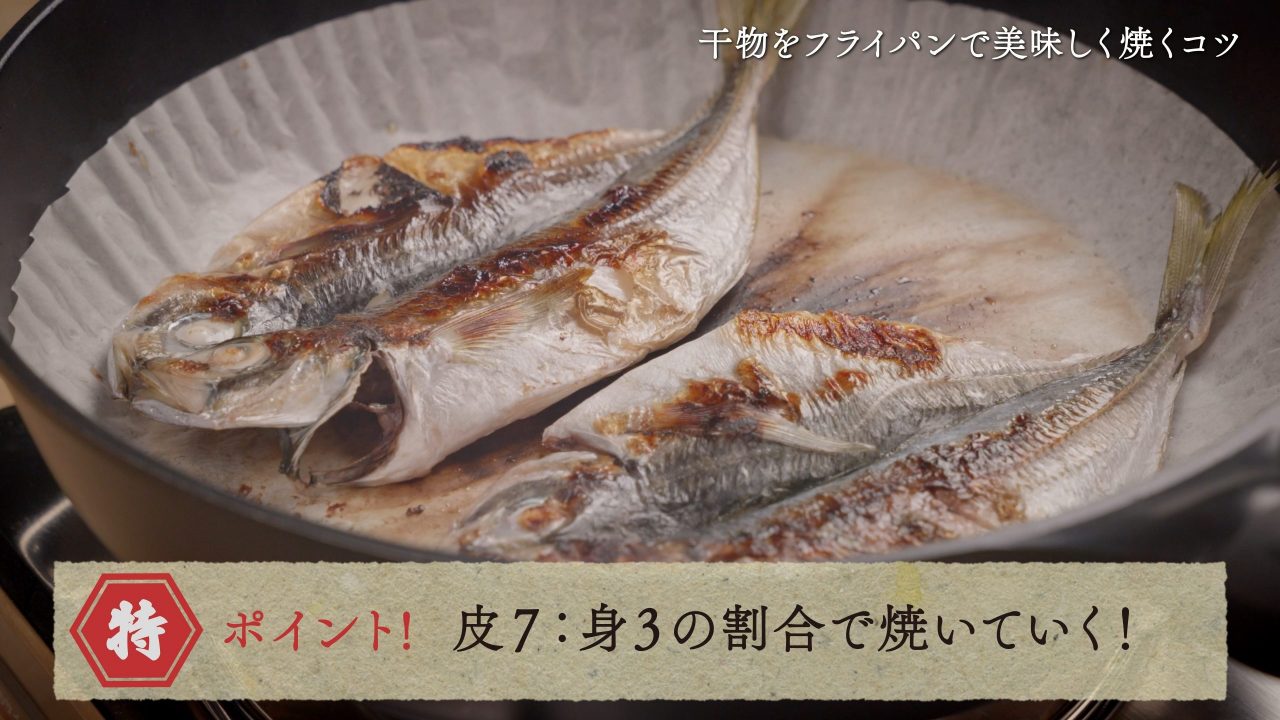
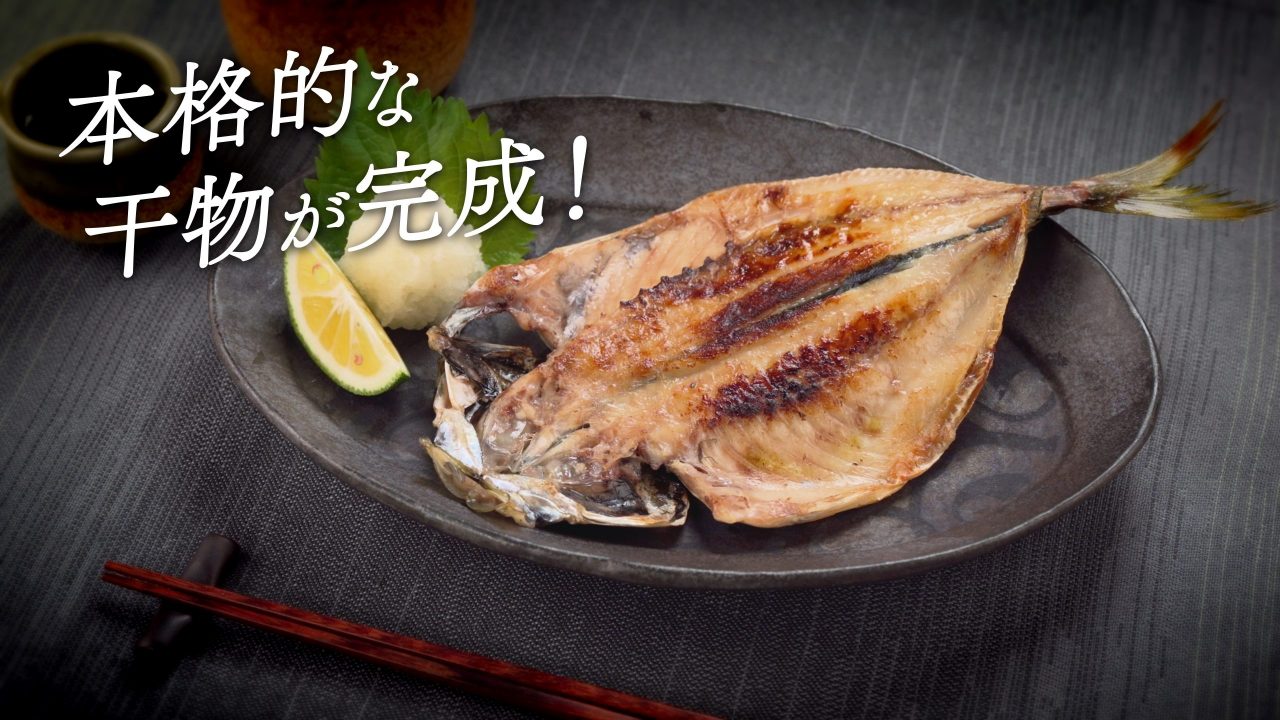
Click here for video (youtube)
350th Anniversary Bottle Label / Ohga Sake Brewery
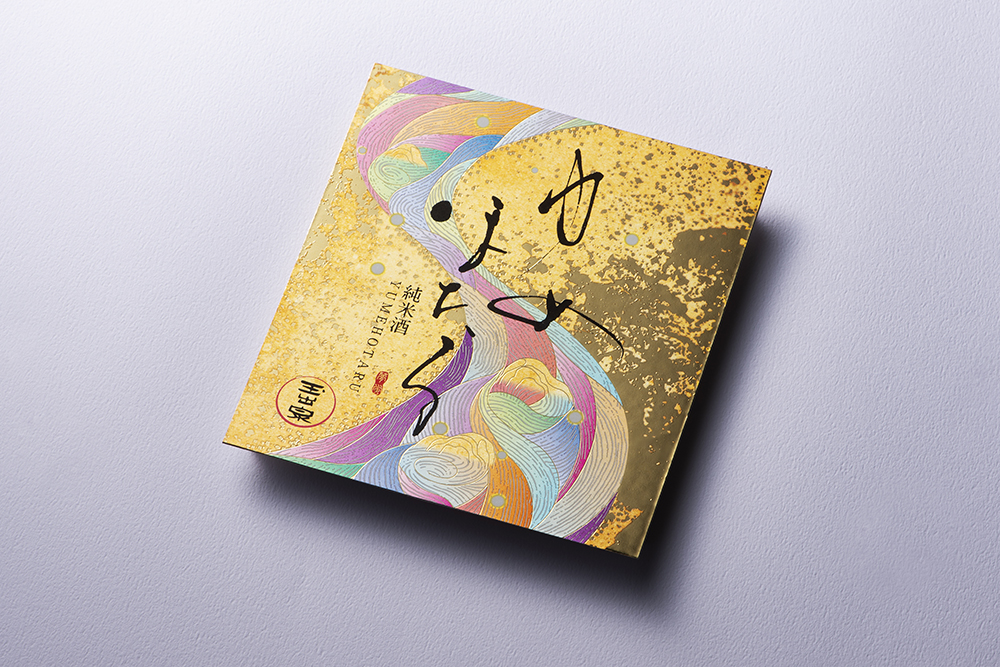
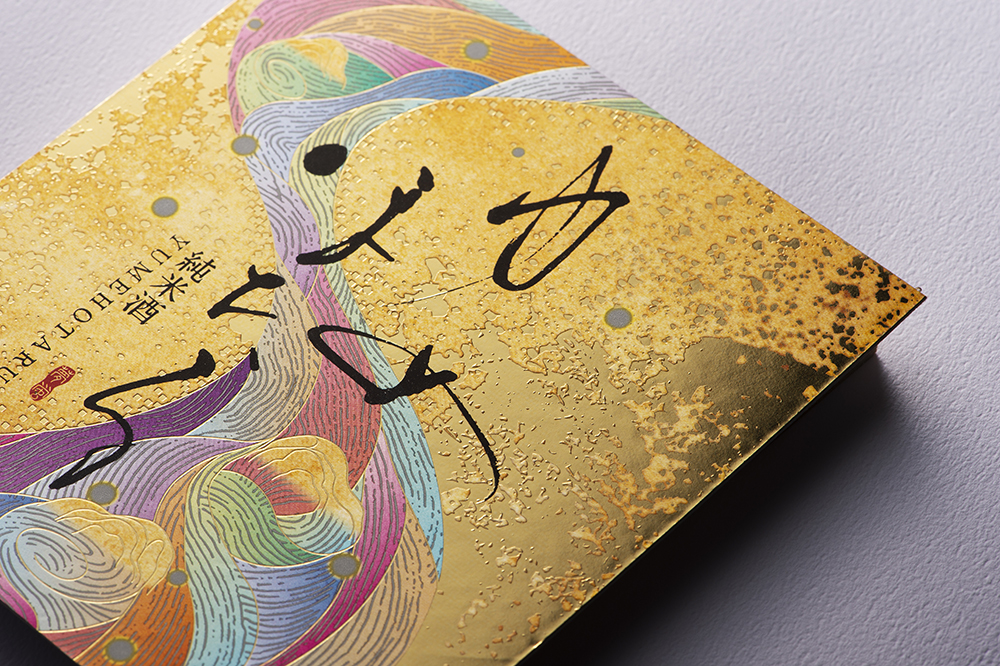
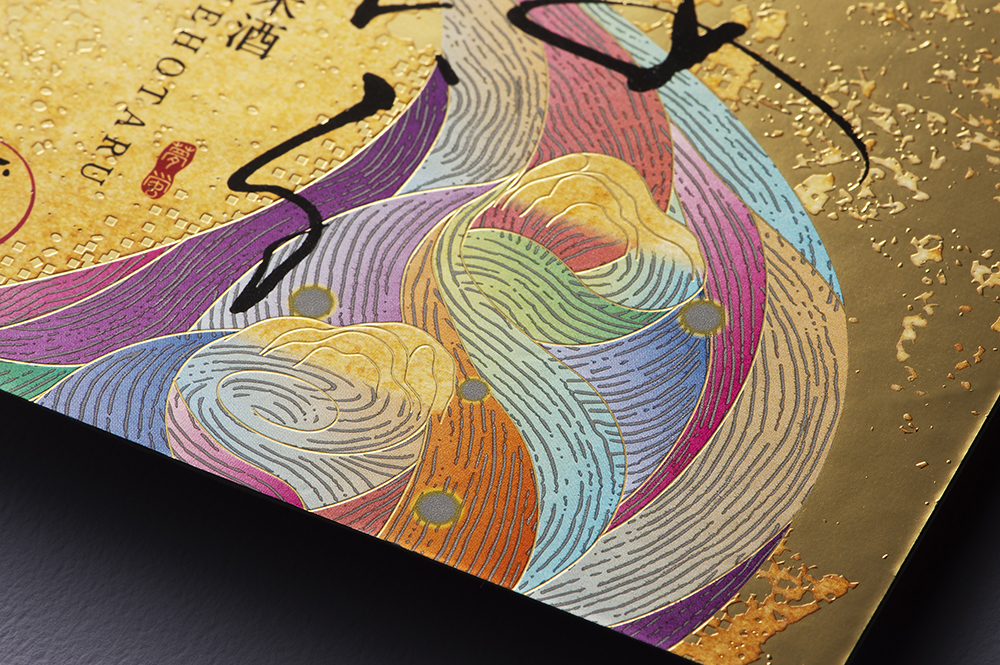
In keeping with the name of the product, we have used gorgeous yet slightly subdued colors to imitate elegant running water, fantastically expressing ”fireflies” dancing in a dream.
The base paper is made of silver foil. Finally, gold foil stamping was applied to give the label a three-dimensional effect, creating a delicate yet luxurious atmosphere.
The label was awarded "Best of the Best," the highest award in the Combination category, in the World Label Contest 2023.
*"Best of the Best" is the world's number one award, presented in five categories for each printing method, among the top prizes selected by the World Label Contest 2023 judging panel held in conjunction with the L9 World Label Contest 2023.
Mail order site / Fukunaga Sangyo Co.
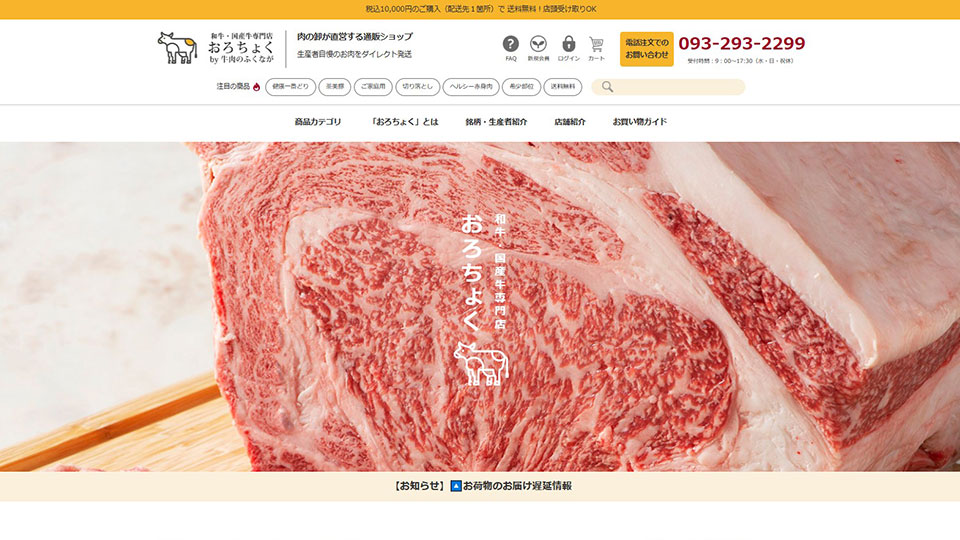
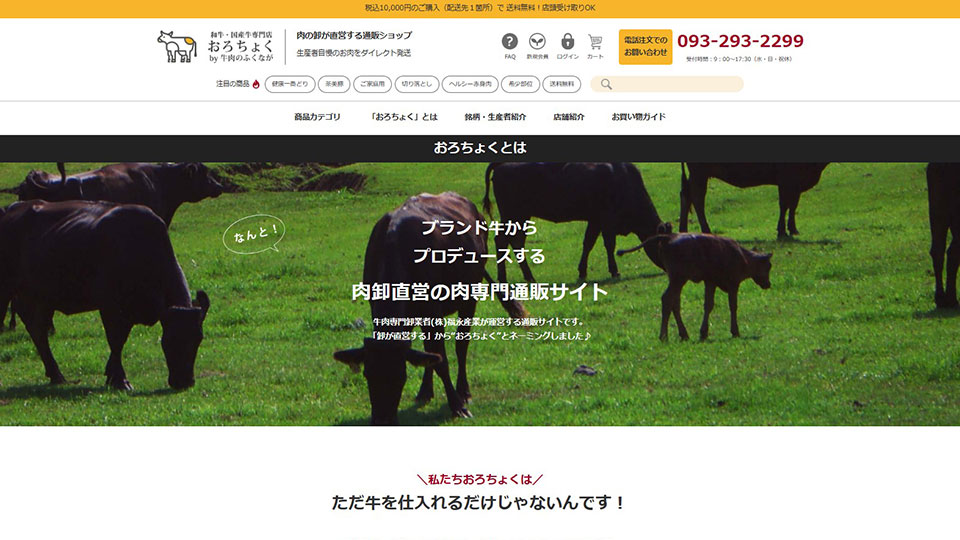
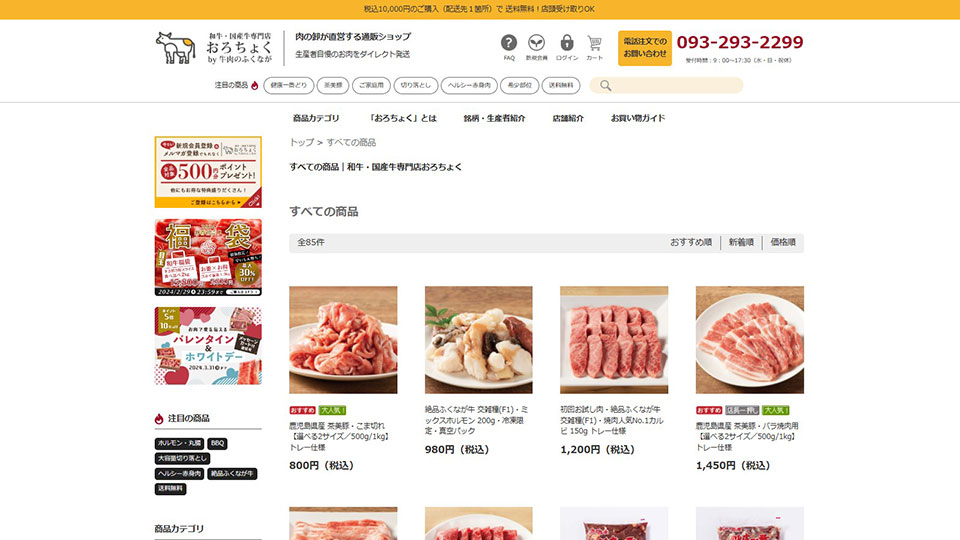
We renewed and produced the mail order site "Orokuji" for Fukunaga Sangyo, a wholesaler of Wagyu beef and domestic beef.
The site is designed to appeal to the strengths of Fukunaga Sangyo, including a page introducing its attractive brand of beef, a food comparison, and rare parts of beef. Some of the photos on the site were also taken by Marushin.
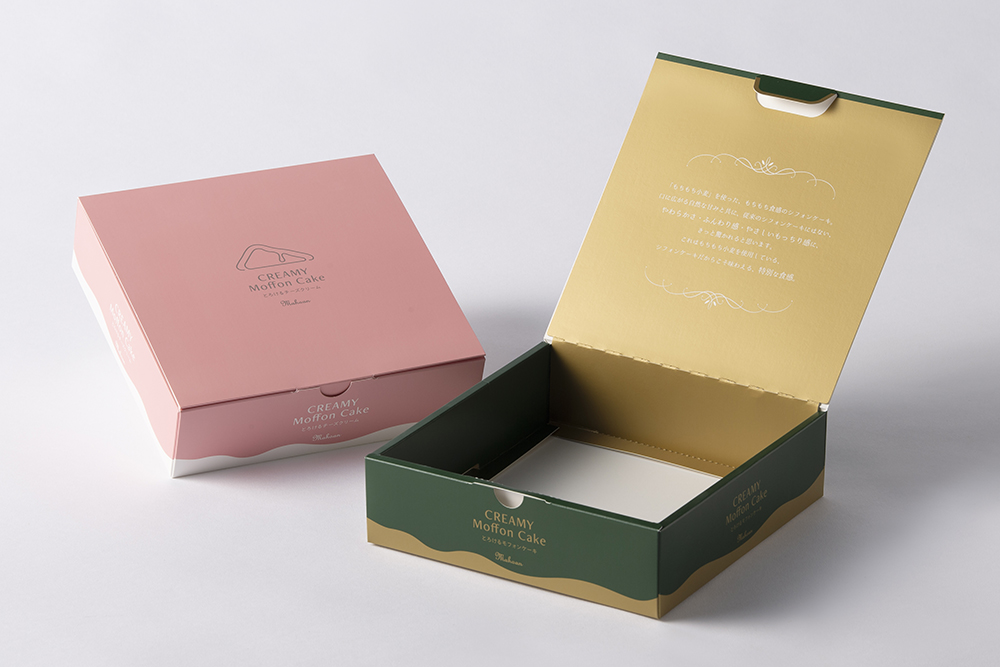
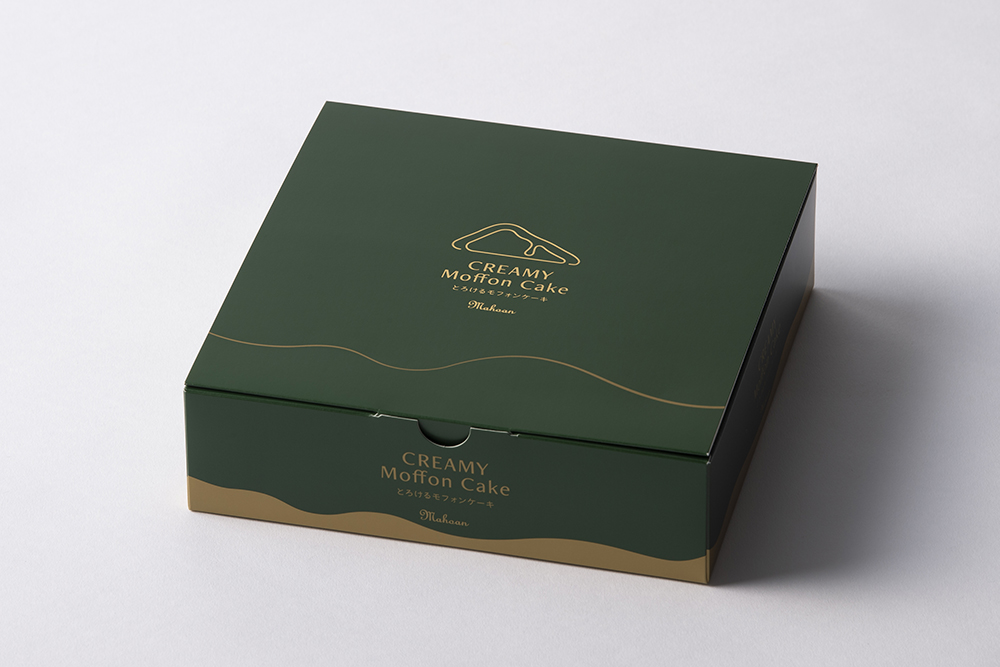
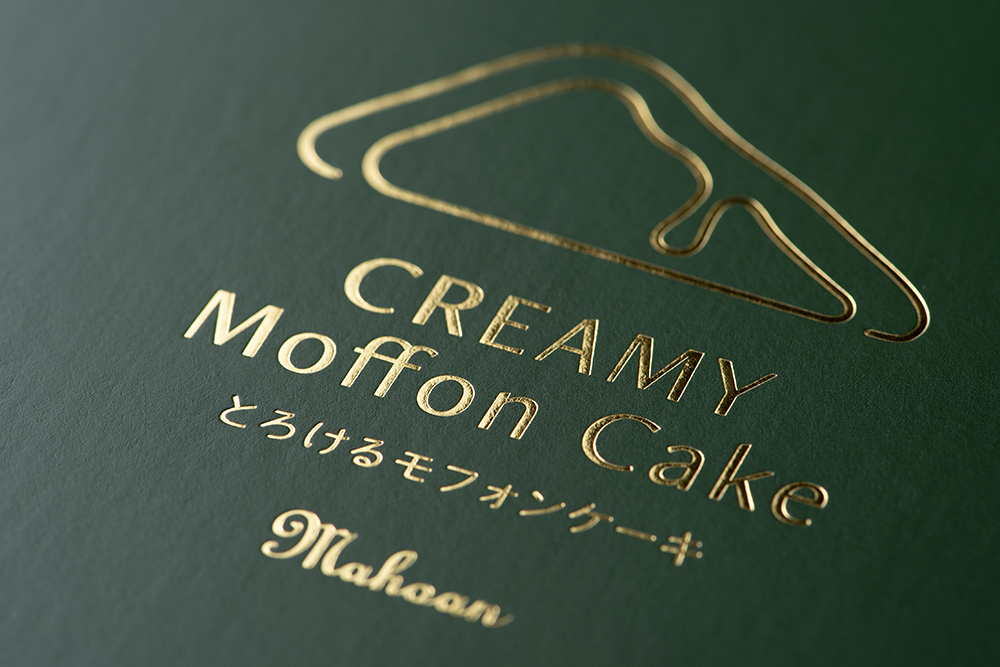
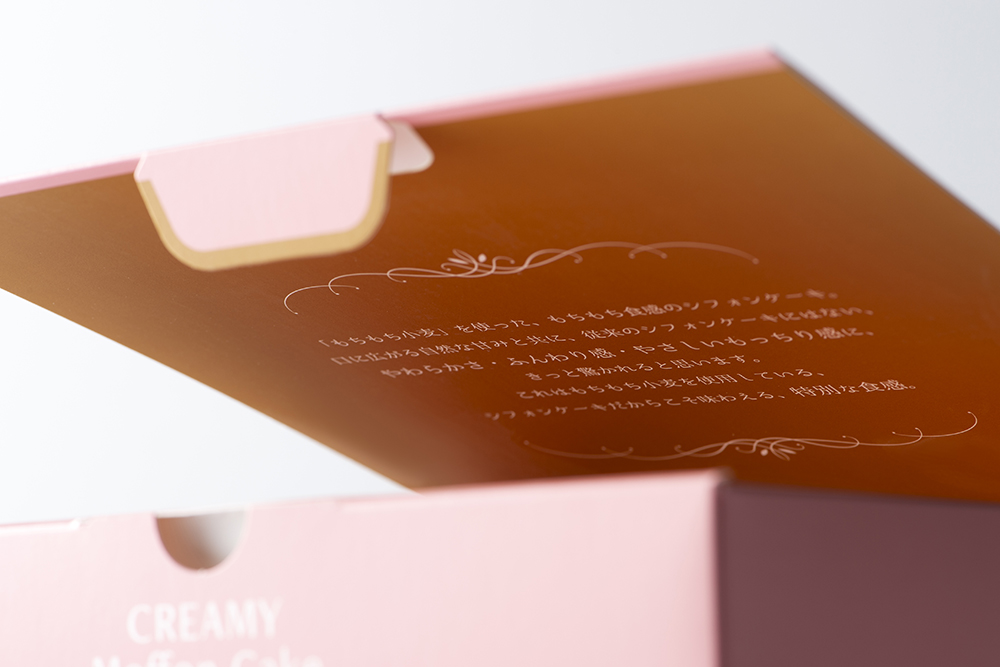
Box for cake / Patisserie Magian
Branding Video / noaru corporation
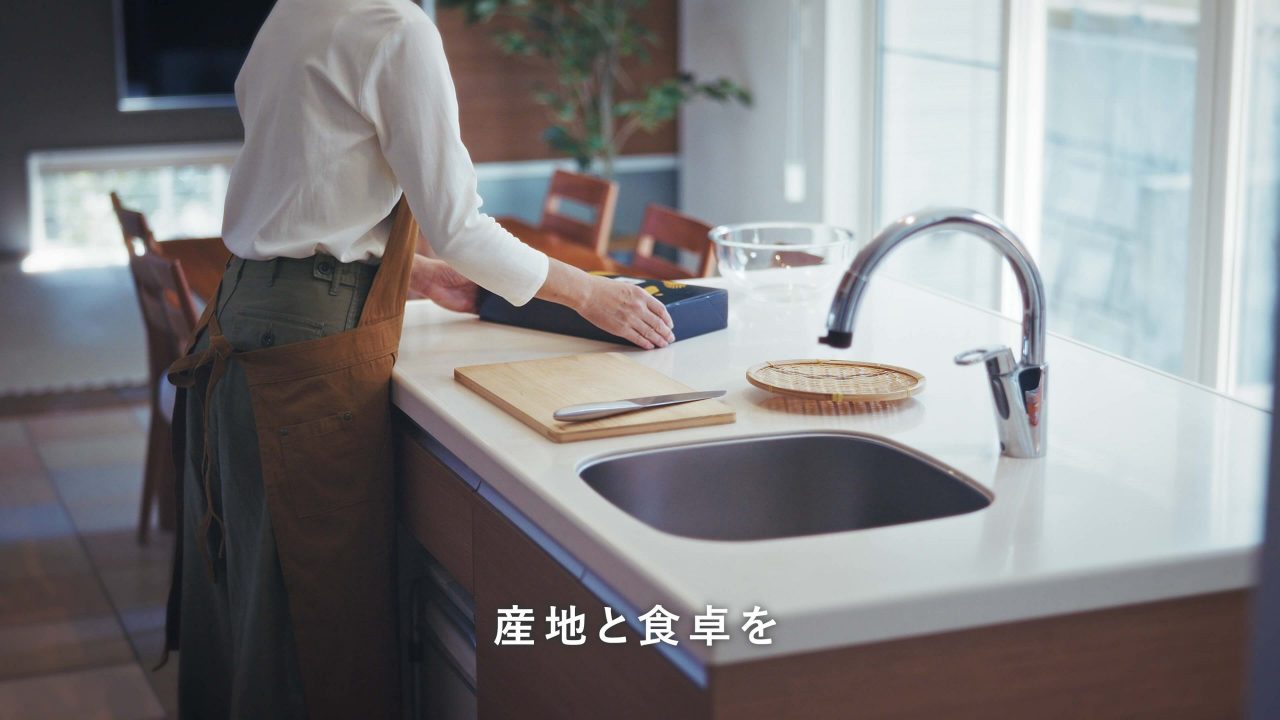
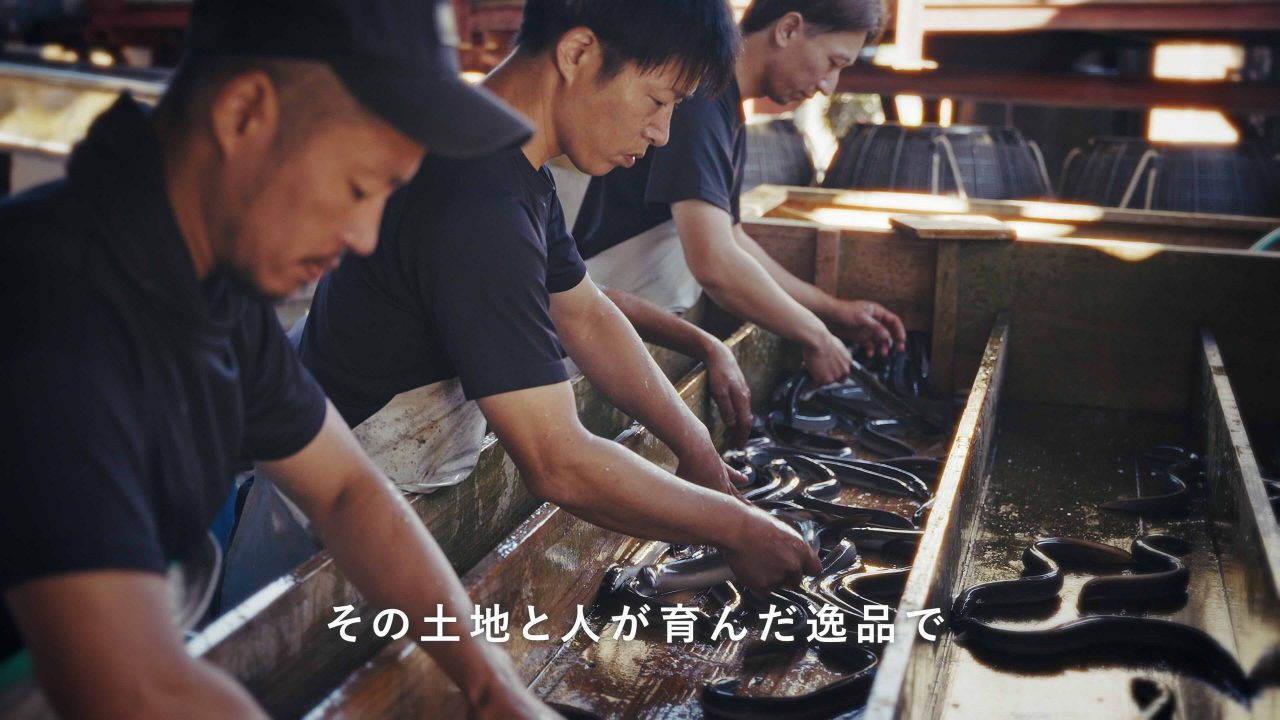
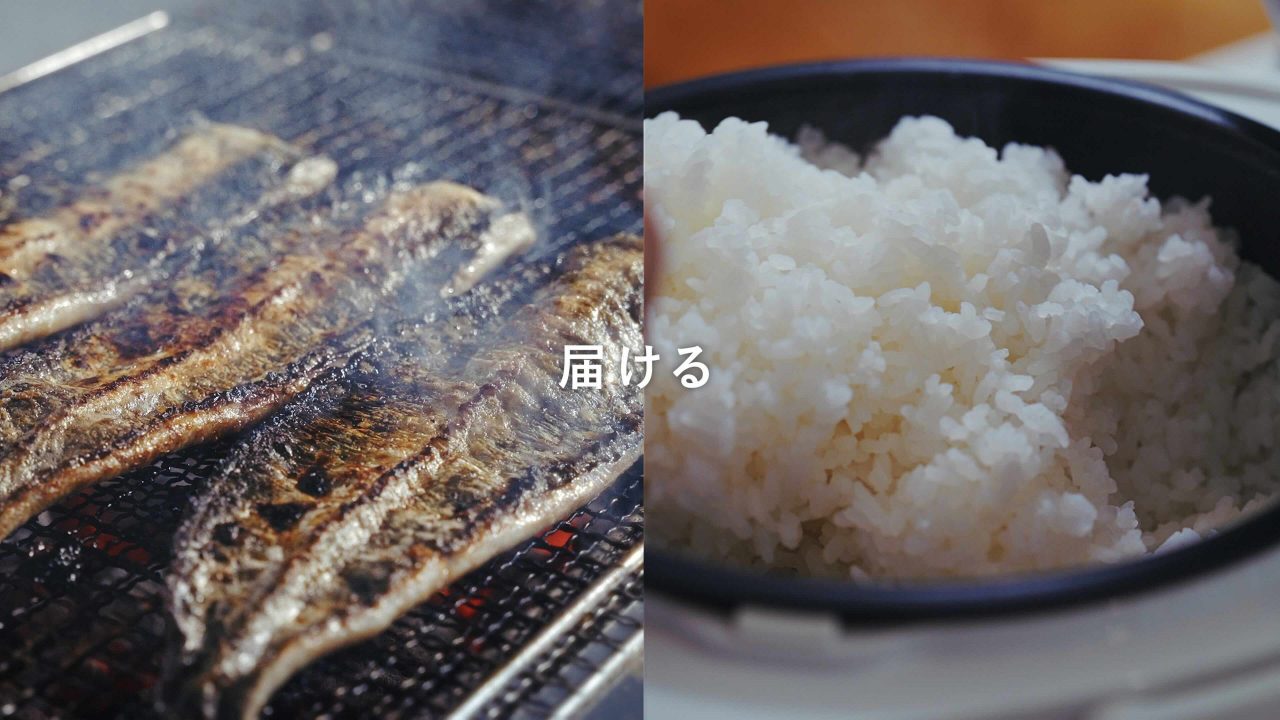
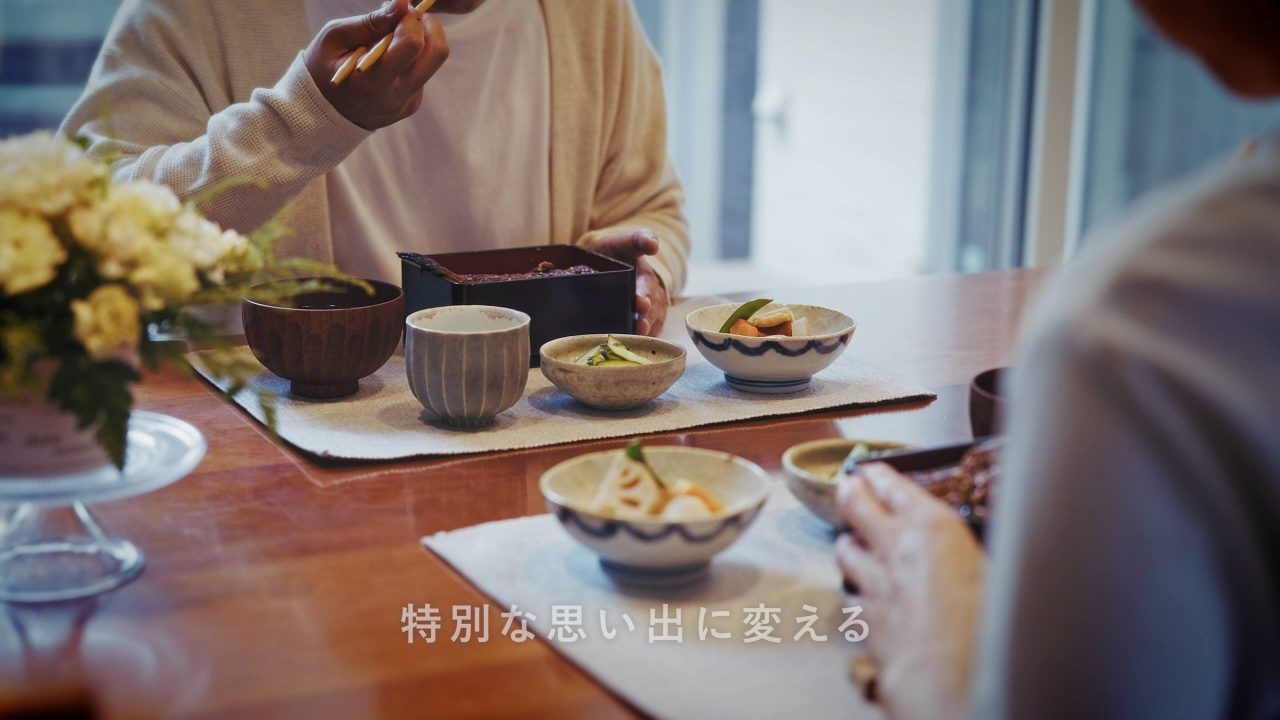
Click here to watch the video
Click here to go to the video page
Digital Signage / Honke Bundan-do
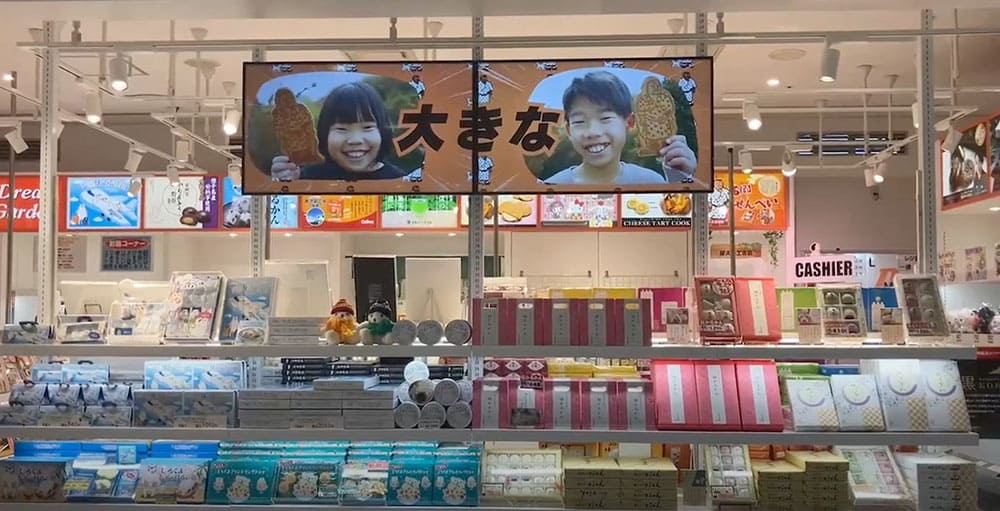
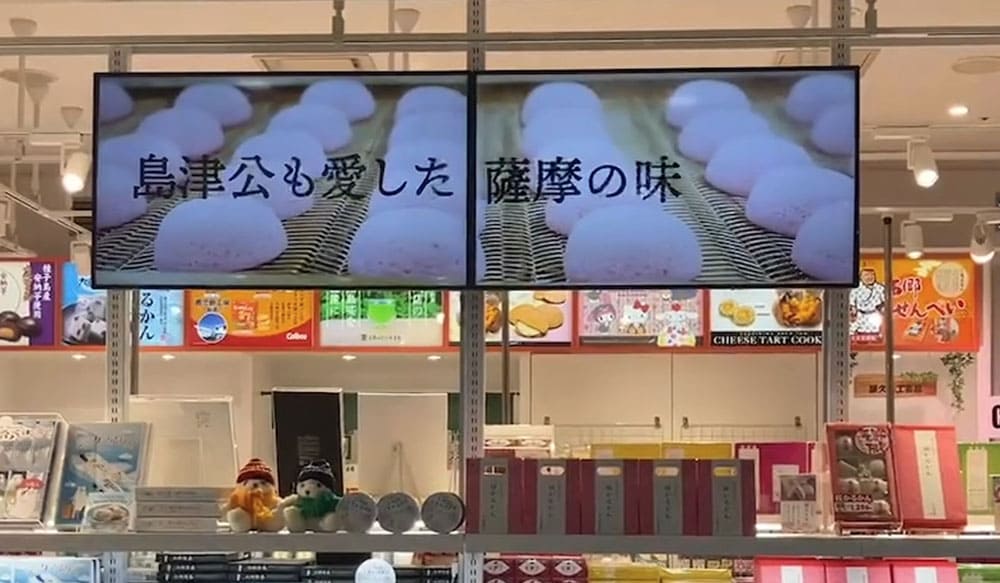
The dynamic images of the "multi-display," which links two screens together, promote traditional confections such as "Saigo senbei" and "karukan. The "multi-display" makes it easier to catch the eyes of passersby, and strongly impresses them as potential souvenirs.
We offer one-stop services from planning, filming, editing, and data preparation for multiple displays, and can provide flexible proposals tailored to your needs, including the simultaneous production of videos in sizes that can be used on websites and regular monitors.
Click here to watch the video (YouTube)
*The video is horizontal because it is one that flows on two screens.
SNS Video Advertisement / Kyushu Oyakayori Honpo
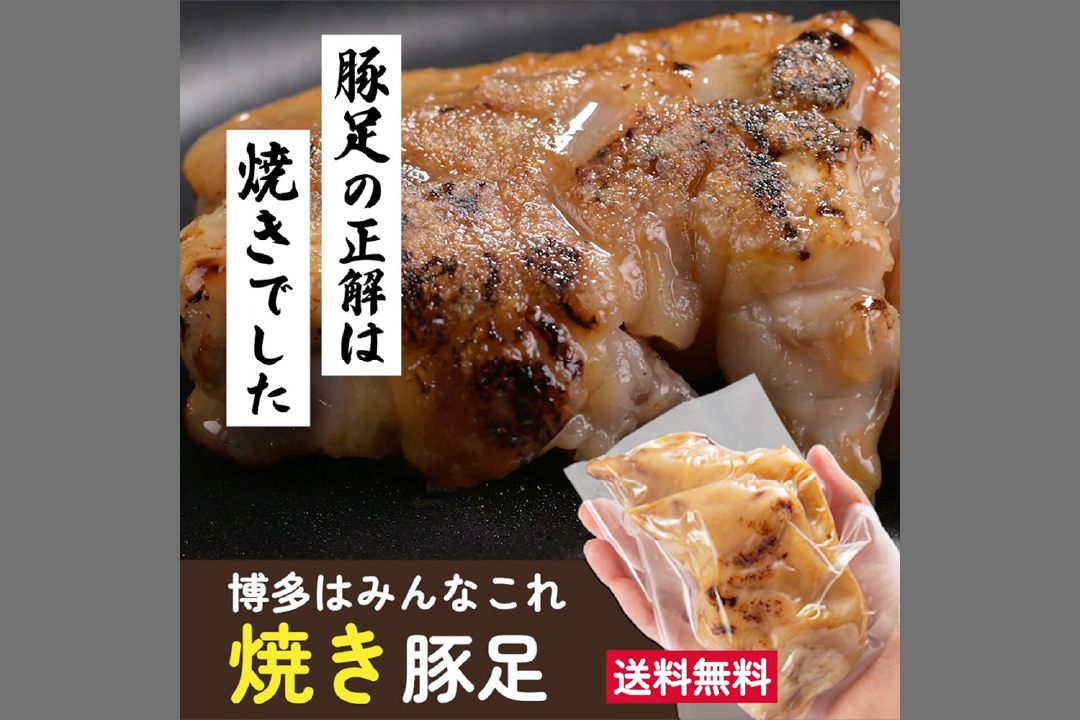
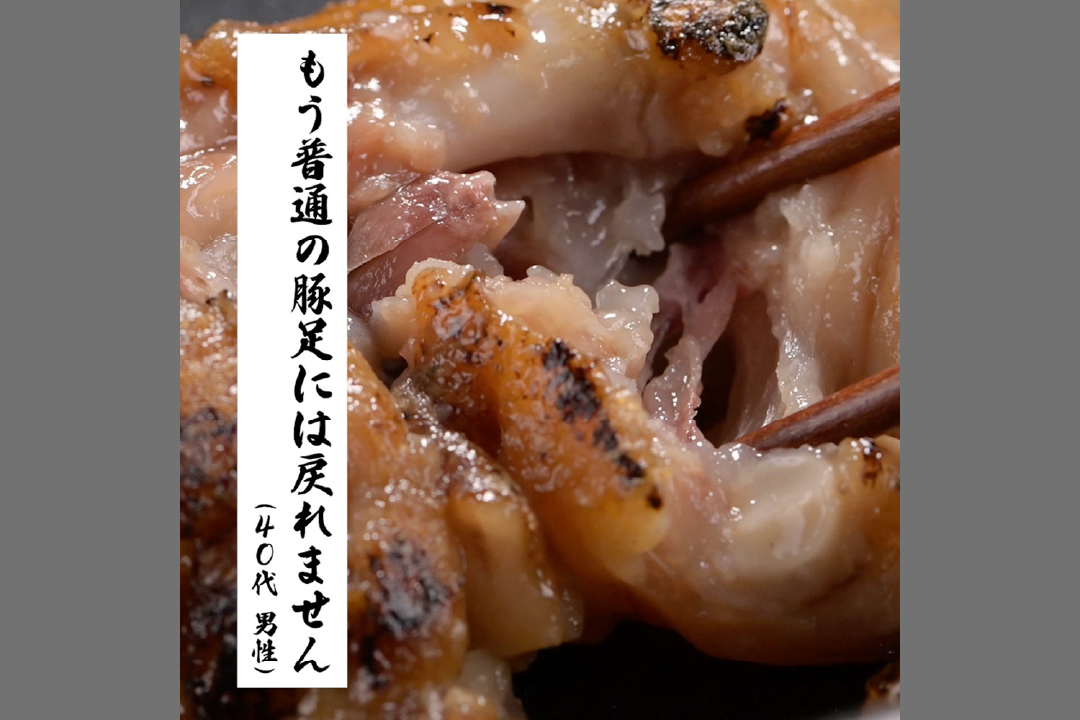
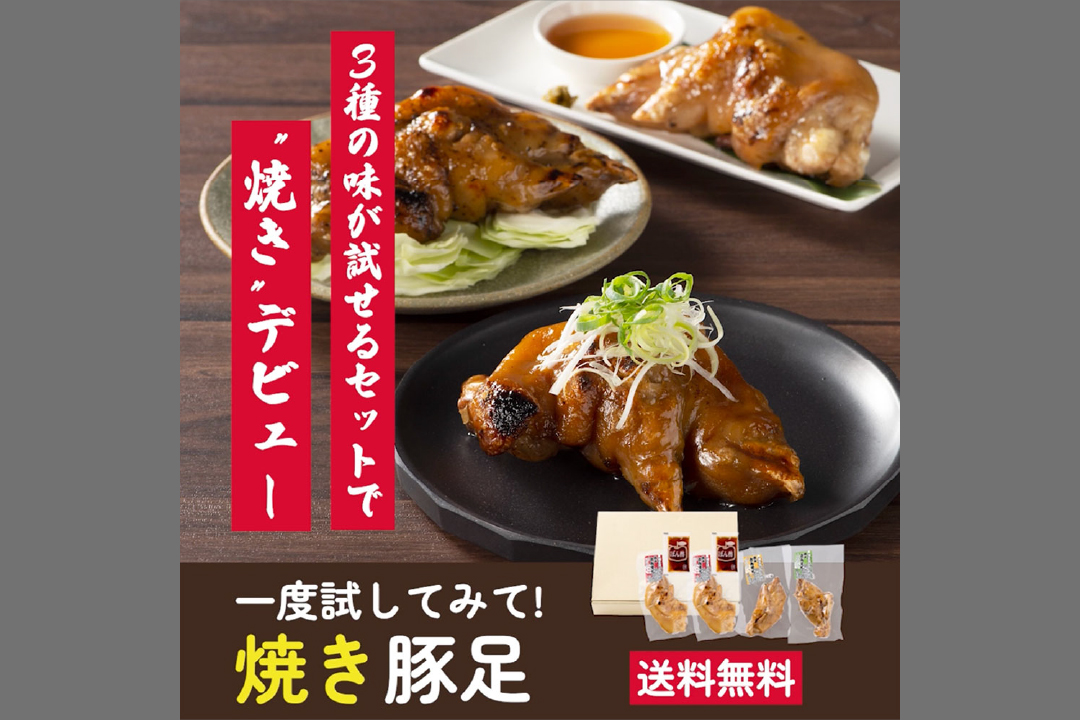
(ROAS 400%: e.g., ¥2 million in sales for ¥500,000 in advertising)
We have consistently performed everything from video production to advertisement management here.
Video advertisements are very effective in directly reaching potential customers who are not yet aware of the appeal of a product, which is difficult to convey through text or still images alone, and arousing their desire to purchase.
It is a powerful solution to acquire new customers and further expand sales in the e-commerce business.
Click here to watch the video (YouTube)
Explanatory video for foreign staff / food-hygiene.com
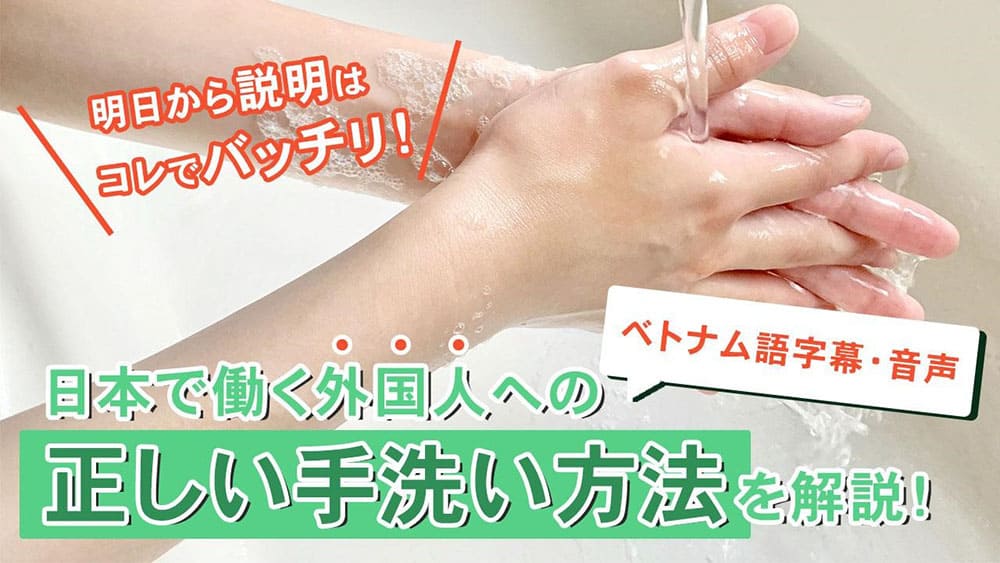
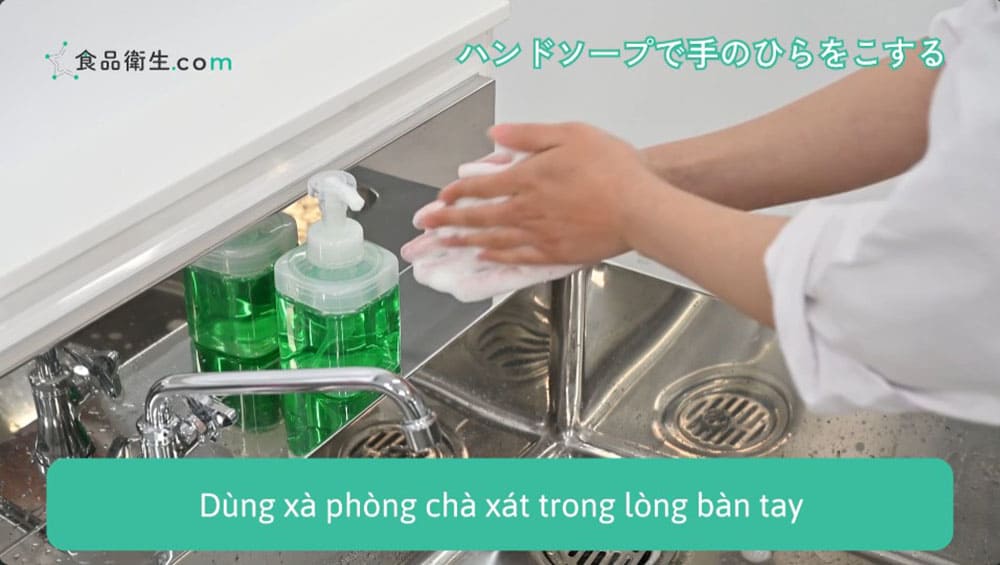
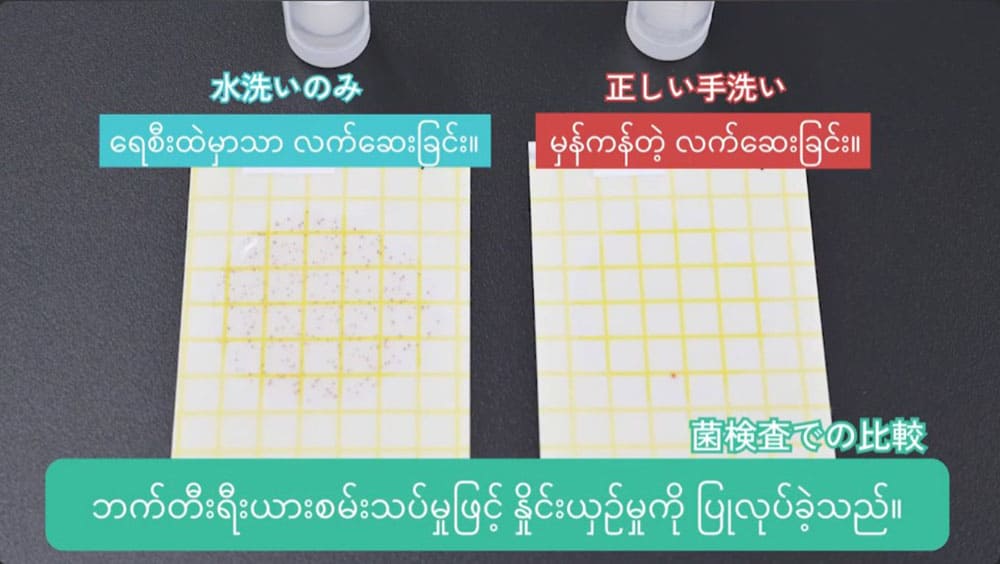
By introducing these multilingual food hygiene and operations manual videos, correct procedures and rules can be smoothly disseminated across language barriers.
This video is a one-stop production from planning to filming, editing, and multilingual message creation. Once created, the correct procedure can be conveyed to anyone in an easy-to-understand manner, simultaneously increasing training efficiency and ensuring uniform quality.
Click here to watch the video (in Vietnamese)
Click here to watch the video (in Indonesian)
Click here to watch the video (in Myanmar)
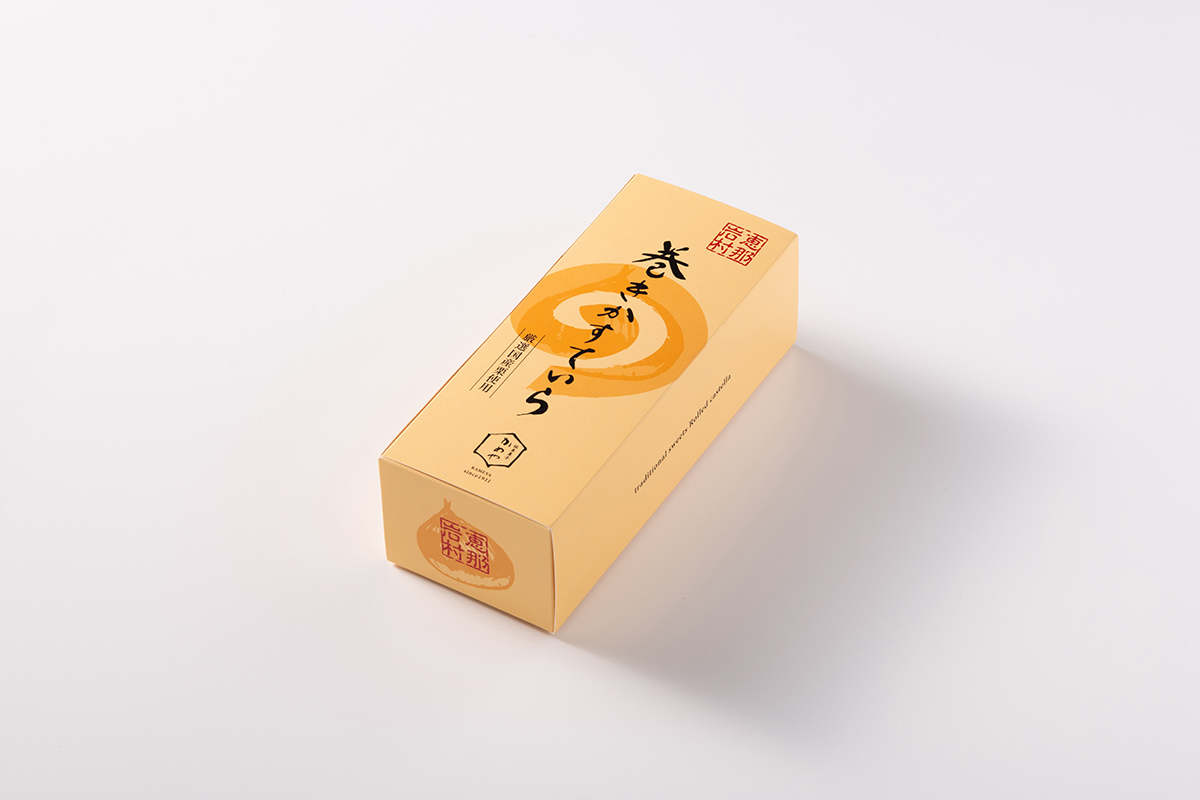
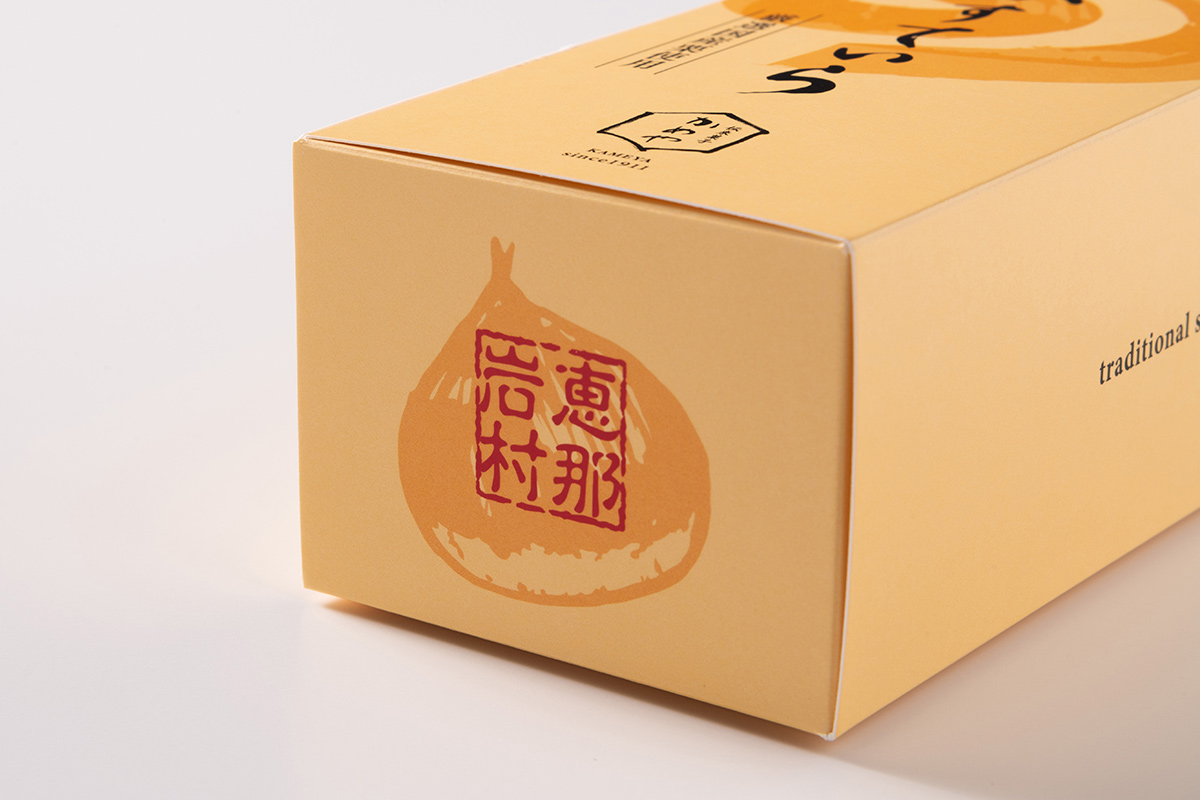
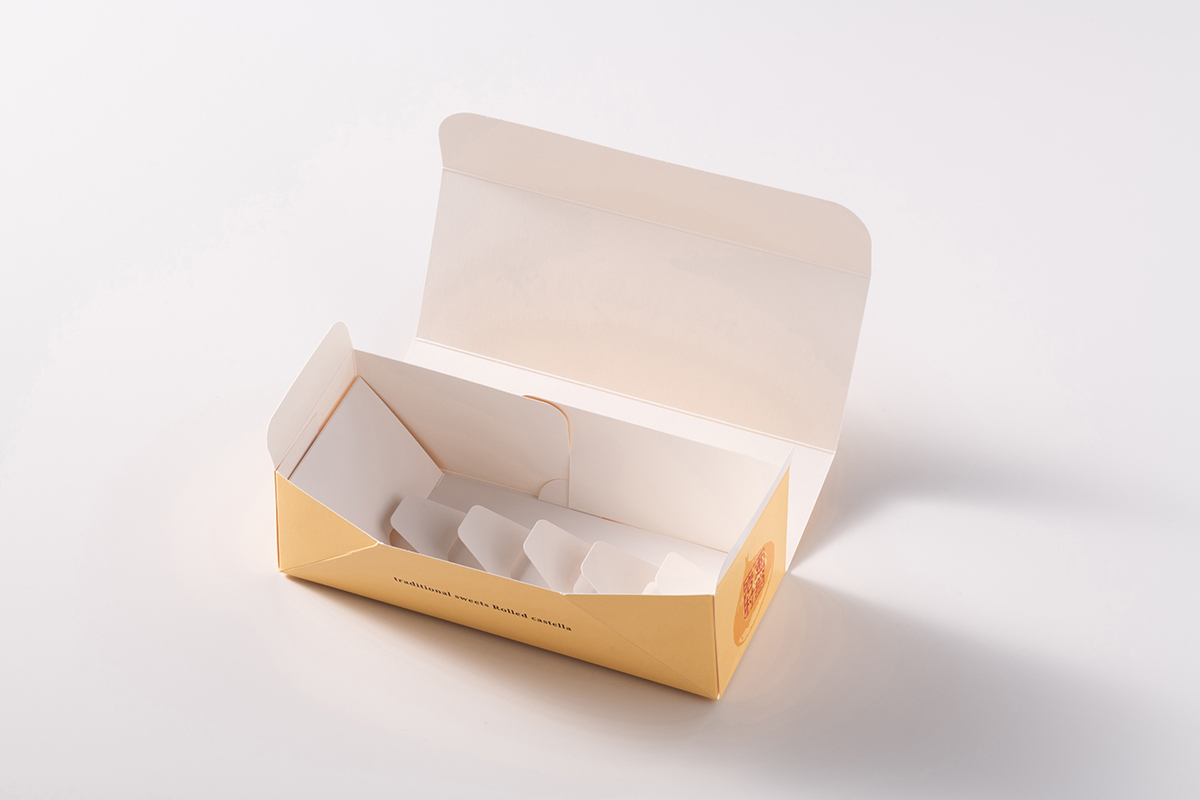
Japanese Confectionery Packaging / KAMEYA KASHIHO Co.